Seminal Vesicle
The Seminal Vesicle is a crucial component of the male reproductive system, playing a vital role in the production of seminal fluid. These glands contribute significantly to the volume and composition of semen, which is essential for sperm viability and motility.
Key Takeaways
- The Seminal Vesicle is a pair of glands in the male reproductive system responsible for producing a significant portion of seminal fluid.
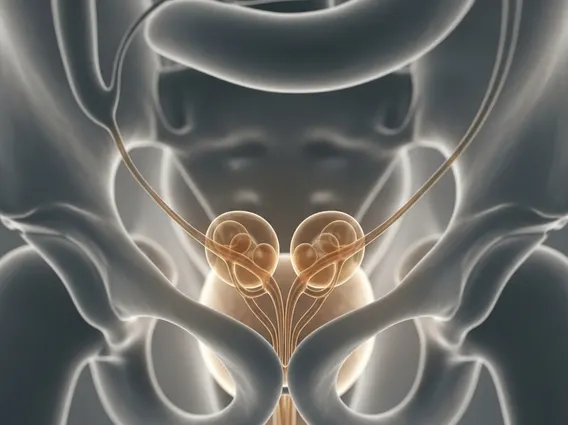
- They are located behind the bladder and above the prostate gland, connected to the vas deferens.
- Their primary function is to secrete fluid rich in fructose, prostaglandins, and clotting factors.
- This fluid nourishes sperm, aids in its movement, and helps form a temporary clot in the female reproductive tract.
What is the Seminal Vesicle?
The Seminal Vesicle refers to one of two small, glandular structures found in the male pelvis. These glands are integral to male fertility, as they produce and store a substantial portion of the fluid that makes up semen. This fluid mixes with sperm from the testes and secretions from other glands to form the complete ejaculate.
Each seminal vesicle is a convoluted, sac-like gland that contributes to the overall volume of semen. Their secretions are vital for nourishing and protecting sperm, facilitating their journey through the female reproductive tract.
Seminal Vesicle Anatomy and Location
The seminal vesicles are paired, elongated, and highly coiled tubular glands, typically measuring about 5-10 centimeters in length when uncoiled. They are situated in the male pelvic region, specifically posterior to the urinary bladder and superior to the prostate gland. Medially, they lie adjacent to the ampulla of the vas deferens.
For a comprehensive understanding, seminal vesicle anatomy explained involves noting that each vesicle’s duct joins with the ampulla of the vas deferens to form the ejaculatory duct. These ejaculatory ducts then pass through the prostate gland and empty into the urethra. This strategic positioning allows their secretions to mix with sperm just before ejaculation, ensuring efficient delivery of vital components.
Seminal Vesicle Function and Purpose
The primary seminal vesicle function and purpose is to produce and secrete a yellowish, viscous fluid that constitutes approximately 60-70% of the total volume of semen. This fluid is rich in several key substances crucial for sperm survival and function:
- Fructose: This sugar serves as the main energy source for sperm motility, providing the fuel necessary for their journey towards the egg.
- Prostaglandins: These hormone-like substances are believed to stimulate contractions in the smooth muscle of the female reproductive tract, which helps propel sperm towards the ovum.
- Clotting Factors: These proteins cause semen to coagulate shortly after ejaculation, forming a temporary vaginal plug that helps prevent sperm from flowing out of the vagina. The clot later liquefies, allowing sperm to continue their ascent.
- Alkaline Fluid: The seminal fluid is alkaline, which helps to neutralize the acidic environment of the male urethra and the female vagina. This neutralization protects sperm from acid-induced damage, optimizing their chances of survival and fertilization.
Without the contributions of the seminal vesicles, sperm would lack adequate nourishment, protection, and assistance in their transport, significantly impairing male fertility.