Seminal Fluid
Seminal Fluid is a biological substance crucial for male reproduction, serving as the vehicle for sperm delivery. It is a complex mixture of secretions from various glands in the male reproductive system, designed to protect and nourish sperm.
Key Takeaways
- Seminal Fluid is the liquid component of semen, produced by several male reproductive glands.
- Its primary role is to provide a protective and nourishing environment for sperm, facilitating their journey to the egg.
- The fluid’s composition includes fructose for energy, buffering agents to neutralize vaginal acidity, and enzymes for liquefaction.
- Key contributors to its formation are the seminal vesicles, prostate gland, and bulbourethral glands.
- Understanding its properties is vital for assessing male fertility and reproductive health.
What is Seminal Fluid?
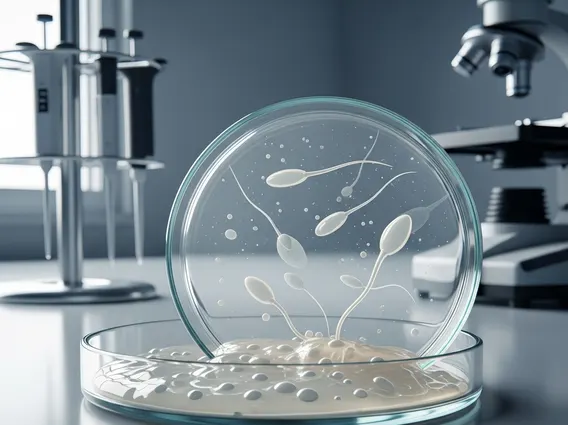
Seminal Fluid refers to the viscous, whitish fluid that carries sperm during ejaculation. It is distinct from sperm itself, which are the male gametes. This fluid is a complex biological solution produced by several accessory glands in the male reproductive system, primarily the seminal vesicles, prostate gland, and bulbourethral glands. Its primary purpose is to create an optimal environment for sperm survival, motility, and successful fertilization.
The overall volume and characteristics of this fluid can vary among individuals and are important indicators of reproductive health. It plays a critical role in protecting sperm from the acidic environment of the female reproductive tract and providing the necessary nutrients for their arduous journey towards the egg.
Composition of Seminal Fluid
The composition of seminal fluid is a sophisticated blend of organic and inorganic substances, each contributing to its overall function. Approximately 60-70% of the fluid volume comes from the seminal vesicles, about 20-30% from the prostate gland, and a small percentage from the bulbourethral glands and epididymis. These contributions create a unique biochemical environment for sperm.
Key components include:
- **Fructose:** A sugar that serves as the primary energy source for sperm motility.
- **Prostaglandins:** Hormonelike substances that can stimulate contractions in the female reproductive tract, potentially aiding sperm transport.
- **Citrate:** A nutrient for sperm and a calcium-chelating agent.
- **Enzymes:** Such as prostate-specific antigen (PSA), which helps to liquefy the semen after ejaculation, allowing sperm to become more mobile.
- **Zinc:** An element important for sperm stability and chromatin condensation.
- **Buffering agents:** Bicarbonate and phosphate ions help to neutralize the acidic environment of the vagina, which is hostile to sperm.
- **Mucus:** Provides lubrication and protection for sperm as they travel through the male urethra and into the female reproductive tract.
The precise balance of these components is crucial for maintaining sperm viability and function.
Function and Role of Seminal Fluid in Reproduction
The function of seminal fluid extends beyond merely transporting sperm; it is vital for ensuring the success of fertilization. Its multifaceted properties are specifically adapted to overcome the challenges sperm face in reaching and fertilizing an egg. The fluid acts as a protective buffer, shielding sperm from the immune response and harsh conditions within the female reproductive system.
The comprehensive seminal fluid role in reproduction encompasses several critical aspects:
- **Sperm Nourishment:** Fructose provides the necessary energy for sperm to swim effectively through the female reproductive tract.
- **Protection:** Buffering agents counteract the acidity of the vagina, which would otherwise incapacitate or kill sperm.
- **Motility Enhancement:** The fluid’s consistency and enzymatic activity allow sperm to become more motile post-ejaculation, facilitating their journey.
- **Transport Facilitation:** Prostaglandins may induce uterine contractions, assisting in the upward movement of sperm towards the fallopian tubes.
- **Immune Modulation:** Some components may help to modulate the female immune response, preventing it from attacking sperm as foreign invaders.
Without the protective and nourishing environment provided by seminal fluid, the chances of sperm surviving long enough to reach and fertilize an egg would be significantly diminished, highlighting its indispensable role in human fertility.