
Schistosome
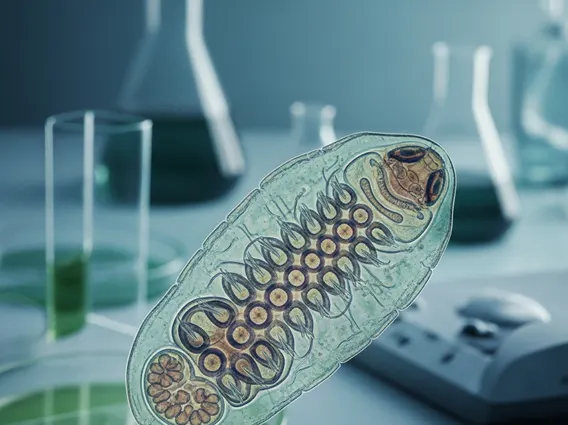
Schistosome refers to a genus of parasitic flatworms responsible for schistosomiasis, a significant public health concern globally. This chronic disease affects millions, particularly in tropical and subtropical regions, leading to severe health complications if left untreated.
Key Takeaways
- Schistosome is a parasitic worm causing schistosomiasis, a chronic disease prevalent in tropical areas.
- The infection spreads through contact with freshwater contaminated with parasite larvae released by infected snails.
- The Schistosome life cycle involves both humans and specific freshwater snail species.
- Symptoms range from acute rash and fever to chronic organ damage affecting the bladder, intestines, or liver.
- Early diagnosis and treatment are crucial to prevent long-term health issues and reduce transmission.
What is Schistosome: The Parasite and Its Infection
Schistosome refers to a genus of blood flukes, which are parasitic flatworms belonging to the phylum Platyhelminthes. These parasites are the causative agents of schistosomiasis, also known as bilharzia, a chronic and debilitating disease. Schistosome infection occurs when humans come into contact with freshwater contaminated with the larval forms of the parasite. Globally, over 250 million people require preventive treatment for schistosomiasis, with more than 90% of those living in Africa, according to the World Health Organization (WHO). The disease is considered one of the neglected tropical diseases, posing a substantial burden on public health systems and economies in endemic areas. Different species of Schistosome target specific organs; for instance, Schistosoma mansoni and S. japonicum primarily affect the intestines and liver, while S. haematobium impacts the urinary tract.
Schistosome Life Cycle: How the Infection Spreads
The transmission of schistosomiasis relies on a complex two-host life cycle involving humans and specific species of freshwater snails. How do schistosomes spread involves several distinct stages. Infected individuals excrete Schistosome eggs in their urine or feces into freshwater sources. If these eggs reach water, they hatch, releasing miracidia, which are free-swimming larval forms. These miracidia then infect specific freshwater snails, where they undergo asexual reproduction, developing into sporocysts and then into thousands of cercariae. Cercariae are fork-tailed, free-swimming larvae that emerge from the snail into the water. Humans become infected when these cercariae penetrate their skin during contact with contaminated water, such as while swimming, bathing, or performing agricultural activities. Once inside the human body, the cercariae transform into schistosomulae, which migrate through the bloodstream to their specific target organs (e.g., bladder, intestines), mature into adult worms, and begin laying eggs, thus completing the Schistosome life cycle explanation.
Symptoms of Schistosome Disease
The symptoms of schistosome disease can vary widely depending on the species of parasite, the intensity of infection, and the stage of the disease. Initially, some individuals may experience a transient itchy rash, known as “swimmer’s itch,” at the site where cercariae penetrated the skin. This acute phase, often called Katayama fever, can develop several weeks after exposure and may include:
- Fever and chills
- Cough and muscle aches
- Fatigue and malaise
- Abdominal pain and diarrhea
Chronic schistosomiasis develops over time as the adult worms lay eggs within the body. These eggs, rather than the worms themselves, cause the majority of the pathology. Eggs trapped in tissues trigger inflammatory and immune reactions, leading to granuloma formation and fibrosis. Depending on the species, this can result in:
- Intestinal schistosomiasis: Abdominal pain, bloody diarrhea, and liver enlargement.
- Urinary schistosomiasis: Hematuria (blood in urine), painful urination, and bladder inflammation, potentially leading to bladder cancer.
- Other complications: Anemia, growth stunting in children, and in severe cases, neurological complications or pulmonary hypertension.
Early diagnosis and treatment with praziquantel are essential to prevent the progression to severe chronic disease.



















