Scar Tissue
Scar Tissue is a natural and essential part of the body’s healing process following injury or trauma. It forms as the body repairs damaged skin and other tissues, often differing in appearance and function from the original tissue.
Key Takeaways
- Scar Tissue is fibrous connective tissue that replaces normal tissue after injury.
- Its formation involves a complex process of inflammation, proliferation, and remodeling.
- Common types include normal, hypertrophic, keloid, atrophic, and contracture scars, each with distinct characteristics.
- Clinical presentation varies, potentially causing cosmetic concerns, itching, pain, or functional limitations.
- Causes range from minor cuts to major surgeries, burns, and inflammatory conditions.
What is Scar Tissue?
Scar Tissue refers to the fibrous connective tissue that forms to replace normal tissue after an injury. This biological repair mechanism is crucial for restoring the integrity of damaged skin, organs, and other structures. Unlike the original tissue, Scar Tissue is primarily composed of collagen fibers that are typically laid down in a more disorganized, cross-linked pattern, leading to differences in texture, elasticity, and appearance. While essential for healing, Scar Tissue often lacks the specialized functions of the tissue it replaces, such as hair follicles, sweat glands, or nerve endings in the skin.
Formation and Types of Scar Tissue
The process of how Scar Tissue forms is a complex, dynamic sequence of events known as wound healing. It typically involves four overlapping phases: hemostasis, inflammation, proliferation, and remodeling. Following injury, blood clots form (hemostasis), followed by an inflammatory response to clear debris and pathogens. During the proliferative phase, fibroblasts migrate to the wound site and begin synthesizing new extracellular matrix components, predominantly collagen. This new collagen matrix then undergoes a remodeling phase, where it matures and strengthens, eventually forming the Scar Tissue. The specific characteristics of the Scar Tissue formed depend on various factors, including the depth and type of injury, genetics, and location on the body.
There are several distinct types of Scar Tissue, each presenting unique features:
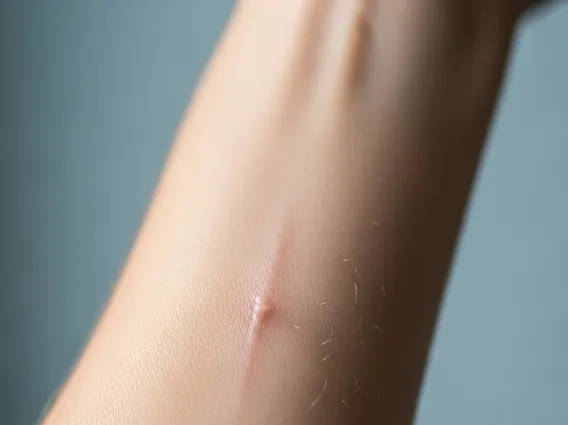
- Normal/Mature Scars: These are flat, pale, and pliable scars that typically fade over time. They are the desired outcome of uncomplicated wound healing.
- Hypertrophic Scars: These are raised, red, and itchy scars that remain within the boundaries of the original wound. They often result from excessive collagen production during healing and may improve over several months or years.
- Keloid Scars: Similar to hypertrophic scars, Keloid Scars are raised and often red or darker, but they extend beyond the original wound margins, invading surrounding healthy tissue. They are more common in individuals with darker skin tones and can continue to grow over time.
- Atrophic Scars: These are sunken or pitted scars that form when there is a loss of underlying tissue, such as from acne or chickenpox. They appear as depressions in the skin.
- Contracture Scars: These scars occur when a large area of skin is lost, often due to burns. The Scar Tissue tightens, pulling the edges of the skin together and potentially restricting movement, especially if it forms over a joint.
Clinical Presentation and Etiology of Scar Tissue
The clinical presentation of Scar Tissue can vary widely depending on its type, location, and the individual’s healing response. Common signs include changes in skin color (red, purple, or pale), texture (raised, firm, sunken, or itchy), and elasticity. Beyond cosmetic concerns, Scar Tissue can lead to various symptoms such as persistent itching (pruritus), pain, tenderness, or a burning sensation. When Scar Tissue forms over joints or large areas, it can cause functional limitations by restricting movement and flexibility, significantly impacting quality of life. For instance, burn injuries alone lead to severe scarring in an estimated 11 million people globally each year, often resulting in significant physical and psychological consequences, according to the World Health Organization (WHO).
The etiology, or causes, of Scar Tissue formation are diverse, stemming from any event that disrupts the integrity of the skin or underlying tissues. Common causes include surgical incisions, traumatic injuries such as cuts, abrasions, and lacerations, and thermal injuries like burns. Other contributing factors can include inflammatory skin conditions (e.g., severe acne, chickenpox), infections, and even minor skin irritations in predisposed individuals. The body’s natural response to repair this damage involves the production of collagen, which, while essential for structural repair, can result in the formation of visible and sometimes symptomatic Scar Tissue.