Scapula
The Scapula, commonly known as the shoulder blade, is a vital bone in the upper body that connects the humerus (upper arm bone) with the clavicle (collarbone). It plays a crucial role in the mobility and stability of the shoulder joint.
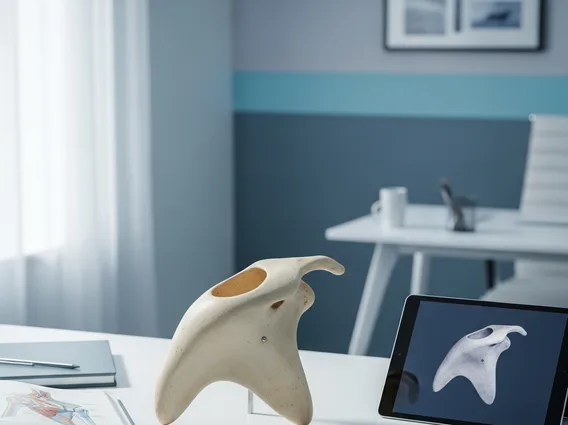
Key Takeaways
- The Scapula is the triangular bone located on the back of the shoulder, essential for arm movement.
- Its complex anatomy, including the glenoid cavity and acromion, facilitates a wide range of motion in the shoulder.
- The scapula serves as an attachment point for numerous muscles, contributing to shoulder stability and strength.
- Pain around the scapula can stem from various causes, including muscle strain, nerve impingement, or joint issues.
- Understanding the scapula’s structure and function is key to diagnosing and treating shoulder-related conditions.
What is the Scapula Bone?
The Scapula is a large, flat, triangular bone situated on the posterior aspect of the rib cage, connecting the upper limb to the trunk. It is commonly referred to as the shoulder blade bone facts, highlighting its prominent position and shape. This bone does not articulate directly with the spine but rather floats over the ribs, held in place by a complex network of muscles. Its unique positioning allows for extensive movement of the arm in various directions, making it integral to activities ranging from lifting and reaching to throwing.
The primary function of the scapula is to provide a stable base for the shoulder joint, enabling the arm to move freely. It also serves as an attachment point for 17 different muscles, which are crucial for both shoulder movement and overall upper body strength. The mobility of the scapula on the thoracic wall, known as scapulothoracic motion, is essential for optimal shoulder function and preventing impingement during overhead activities.
Scapula Anatomy and Function
The scapula anatomy and function are intricately linked, allowing for the remarkable versatility of the shoulder. Anatomically, the scapula features several key landmarks:
- Body: The main triangular portion of the bone.
- Spine: A prominent ridge on the posterior surface, dividing it into supraspinous and infraspinous fossae.
- Acromion: The lateral extension of the spine that articulates with the clavicle, forming the acromioclavicular (AC) joint.
- Coracoid Process: A hook-like projection anteriorly, serving as an attachment for muscles and ligaments.
- Glenoid Cavity (or Fossa): A shallow, pear-shaped depression that articulates with the head of the humerus, forming the glenohumeral (shoulder) joint.
Functionally, the scapula plays a critical role in:
The scapula’s movements—elevation, depression, protraction, retraction, upward rotation, and downward rotation—are coordinated with the humerus and clavicle to ensure smooth and powerful arm movements. For instance, upward rotation of the scapula is vital for raising the arm above the head, preventing the humerus from impinging on the acromion. This coordinated movement, known as scapulohumeral rhythm, is essential for maintaining proper biomechanics and preventing injury.
Scapula Pain: Causes and Symptoms
Scapula pain causes and symptoms can vary widely, often indicating underlying issues within the shoulder complex or surrounding structures. Pain in or around the shoulder blade is a common complaint, impacting daily activities and quality of life. Common causes include:
Muscular issues are a frequent culprit, such as strains or spasms in the rhomboids, trapezius, or levator scapulae muscles, often due to poor posture, repetitive motions, or heavy lifting. Referred pain from the neck or upper back, including conditions like cervical radiculopathy or thoracic outlet syndrome, can also manifest as scapular discomfort. Additionally, direct trauma, rotator cuff injuries, or inflammation of the bursae (bursitis) around the shoulder can lead to significant pain.
Symptoms associated with scapula pain may include a dull ache, sharp stabbing sensations, burning, or tingling. The pain might worsen with specific movements, such as reaching overhead or across the body, and can sometimes radiate down the arm or up into the neck. Other accompanying symptoms might include stiffness, reduced range of motion in the shoulder, or tenderness to the touch around the scapula. In some cases, nerve impingement can lead to weakness or numbness in the arm or hand, necessitating prompt medical evaluation.