Salpingo Oophorectomy
Salpingo Oophorectomy is a significant surgical procedure involving the removal of a fallopian tube and an ovary. This operation is performed for various medical reasons, ranging from benign conditions to life-threatening diseases.
Key Takeaways
- Salpingo Oophorectomy involves the surgical removal of an ovary and its corresponding fallopian tube.
- Common reasons for Salpingo Oophorectomy include ovarian cysts, ectopic pregnancies, endometriosis, and various forms of cancer.
- The salpingo oophorectomy procedure explained typically involves either an open incision or a minimally invasive laparoscopic approach.
- Salpingo oophorectomy recovery time varies based on the surgical method, with laparoscopic procedures generally allowing for quicker healing.
- Post-procedure care focuses on pain management, activity restrictions, and monitoring for potential complications or hormonal changes.
What is Salpingo Oophorectomy?
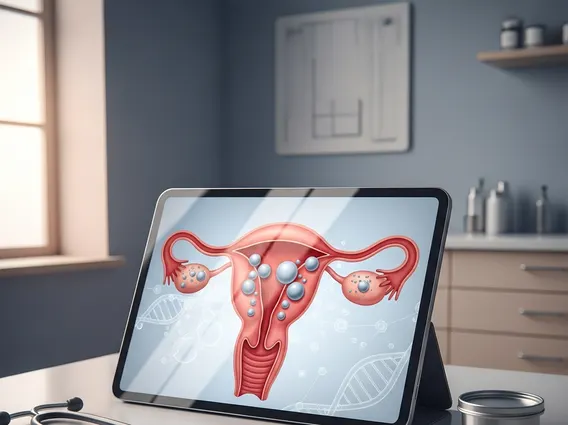
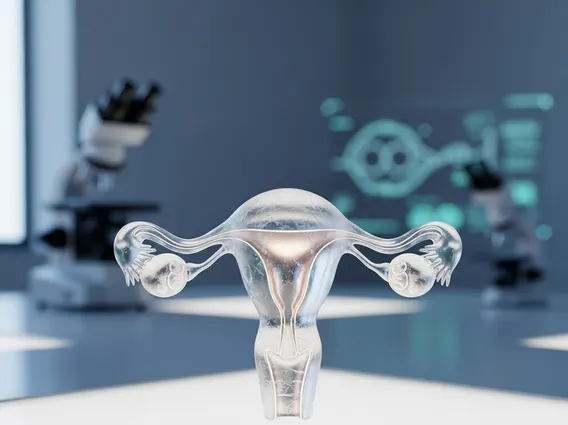
Salpingo Oophorectomy is a surgical procedure that entails the removal of one or both fallopian tubes and one or both ovaries. The term itself is derived from “salpinx,” meaning fallopian tube, and “oophoron,” meaning ovary, with “-ectomy” indicating removal. This procedure can be unilateral, involving the removal of one fallopian tube and one ovary, or bilateral, involving both fallopian tubes and both ovaries. It is a critical intervention often performed to address various gynecological conditions, from benign masses to malignant tumors, significantly impacting a woman’s reproductive health and hormonal balance.
The decision to undergo this surgery is made after careful consideration of a patient’s medical history, symptoms, diagnostic test results, and future reproductive desires. It is a common gynecological surgery, with procedures like hysterectomy (which often includes oophorectomy) being among the most frequently performed surgeries for women globally. For instance, according to the Centers for Disease Control and Prevention (CDC), hysterectomy is a common procedure in the United States, and salpingo oophorectomy is often performed concurrently or as a standalone procedure for specific indications.
Reasons for Salpingo Oophorectomy and Procedure Overview
There are several compelling reasons for Salpingo Oophorectomy, driven by the need to treat or prevent serious medical conditions affecting the reproductive system. These reasons often dictate the urgency and extent of the surgery. Common indications include:
- Ovarian Cysts or Tumors: Large, persistent, or suspicious ovarian cysts, whether benign or malignant, may necessitate removal of the affected ovary and tube.
- Ectopic Pregnancy: When a fertilized egg implants outside the uterus, most commonly in the fallopian tube, a salpingo oophorectomy may be required if the tube is severely damaged or ruptured.
- Endometriosis: Severe cases of endometriosis, where endometrial-like tissue grows outside the uterus and affects the ovaries and fallopian tubes, can sometimes be managed with this surgery.
- Pelvic Inflammatory Disease (PID): Chronic or severe infections that have caused irreversible damage to the fallopian tubes and ovaries may warrant their removal.
- Ovarian or Fallopian Tube Cancer: This is a primary reason for the procedure, often performed as part of a broader cancer treatment plan to remove cancerous tissue and prevent spread.
- Risk Reduction: For women with a high genetic risk of ovarian cancer (e.g., BRCA gene mutations), prophylactic bilateral salpingo oophorectomy may be recommended to significantly reduce cancer risk.
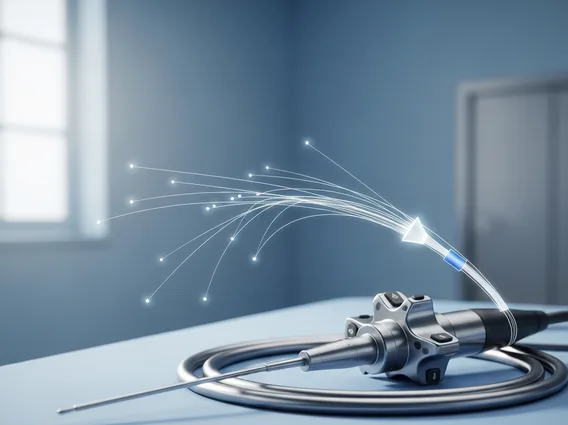
The salpingo oophorectomy procedure explained typically involves one of two main surgical approaches: open surgery (laparotomy) or minimally invasive laparoscopic surgery. In an open procedure, a single, larger incision is made in the abdomen to access the pelvic organs. Laparoscopic surgery, conversely, involves several small incisions through which a thin, lighted tube with a camera (laparoscope) and specialized surgical instruments are inserted. The choice of approach depends on factors such as the reason for surgery, the size of any masses, the patient’s overall health, and the surgeon’s expertise. Both methods aim to carefully detach and remove the fallopian tube and ovary while minimizing damage to surrounding tissues.
Salpingo Oophorectomy Recovery Time and Post-Procedure Care
The salpingo oophorectomy recovery time can vary significantly depending on the type of surgery performed (laparoscopic versus open), the patient’s overall health, and the extent of the procedure. Generally, recovery from a laparoscopic salpingo oophorectomy is shorter, often ranging from two to four weeks. Patients undergoing open surgery, which involves a larger incision, typically require a longer recovery period, usually four to six weeks or more, due to the greater tissue disruption and potential for discomfort.
Post-procedure care is crucial for a smooth recovery and involves several key aspects. Pain management is a priority, with prescribed medications to alleviate discomfort. Patients are usually advised to avoid heavy lifting, strenuous activities, and sexual intercourse for several weeks to allow internal tissues to heal. Wound care involves keeping the incision sites clean and dry to prevent infection. Monitoring for signs of complications, such as excessive bleeding, fever, or severe pain, is also important, and patients are instructed on when to contact their healthcare provider.
For women who undergo bilateral salpingo oophorectomy before menopause, the removal of both ovaries induces surgical menopause. This can lead to immediate menopausal symptoms such as hot flashes, night sweats, vaginal dryness, and mood changes, as well as long-term health considerations like increased risk of osteoporosis and cardiovascular disease. Hormone replacement therapy (HRT) may be discussed with the patient to manage these symptoms and mitigate long-term risks, depending on individual health factors and the reason for surgery, especially in cases of cancer where HRT might be contraindicated.