Retroperitoneum
The retroperitoneum is a crucial anatomical space in the abdomen, located behind the peritoneal lining. This region houses several vital organs and structures, playing a significant role in various bodily functions and clinical considerations.
Key Takeaways
- The retroperitoneum is an anatomical space situated posterior to the parietal peritoneum in the abdominal cavity.
- It provides support and protection for numerous essential organs, including the kidneys, adrenal glands, and pancreas.
- Understanding its anatomy is critical for diagnosing and treating conditions affecting retroperitoneal structures.
- This space allows for organ movement and expansion while maintaining their relative positions.
What is the Retroperitoneum?
The Retroperitoneum refers to the anatomical space in the abdominal cavity located posterior to the parietal peritoneum. This definition clarifies that it is not contained within the peritoneal sac, but rather lies behind it, against the posterior abdominal wall. The retroperitoneal space definition highlights its unique position, which distinguishes it from intraperitoneal and subperitoneal regions. This anatomical arrangement means that organs within the retroperitoneum are only covered anteriorly by the peritoneum, offering a distinct environment from those fully enveloped by it.
Anatomy and Function of the Retroperitoneal Space
The retroperitoneum anatomy and function are integral to understanding abdominal organization. This space extends from the diaphragm superiorly to the pelvic brim inferiorly, and laterally to the abdominal wall muscles. It is further divided into several compartments by fascial layers, including the anterior pararenal space, posterior pararenal space, and the perirenal space, each containing specific organs and tissues. The primary function of the retroperitoneal space is to house and protect vital organs, providing a stable environment while allowing for some degree of movement and expansion, such as during respiration or changes in organ size.
The fascial planes within the retroperitoneum are important as they can guide the spread of fluid, infection, or tumors. These layers, such as Gerota’s fascia around the kidneys, help compartmentalize the space, influencing how pathologies manifest and are contained or spread. The rich vascular and lymphatic networks within this region also underscore its importance in systemic physiology and disease processes.
Key Retroperitoneal Organs
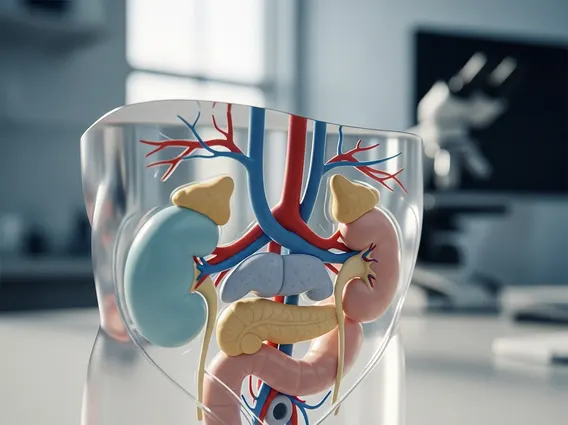
A diverse array of critical structures constitutes the retroperitoneal organs list. These organs are essential for various bodily functions, from digestion and endocrine regulation to waste filtration. Their retroperitoneal location often influences surgical approaches and diagnostic imaging techniques. Key organs found within this space include:
- Kidneys: Responsible for filtering blood and producing urine.
- Adrenal Glands: Endocrine glands situated atop the kidneys, producing hormones like cortisol and adrenaline.
- Pancreas: A gland involved in both exocrine (digestive enzymes) and endocrine (insulin, glucagon) functions.
- Duodenum (parts 2, 3, and 4): Sections of the small intestine involved in digestion.
- Ascending and Descending Colon: Parts of the large intestine responsible for water absorption and waste formation.
- Aorta and Inferior Vena Cava: Major blood vessels that run through the retroperitoneum, supplying and draining blood from the lower body and abdominal organs.
- Ureters: Tubes that carry urine from the kidneys to the bladder.
- Lymph Nodes: Numerous lymph nodes are scattered throughout the retroperitoneum, playing a vital role in the immune system.
Understanding the precise location and relationships of these organs within the retroperitoneum is fundamental for medical professionals in diagnosing and treating conditions such as retroperitoneal fibrosis, tumors, or infections that may arise in this complex anatomical region.