Radical Vulvectomy
Radical Vulvectomy is a significant surgical procedure primarily performed to treat vulvar cancer. This operation involves the removal of cancerous tissue from the vulva, aiming to prevent the spread of the disease and improve patient outcomes.
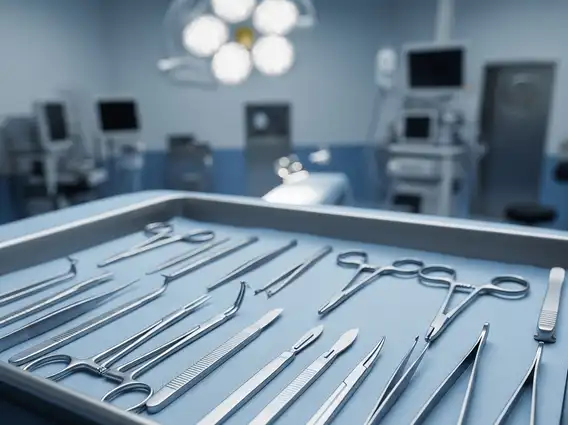
Key Takeaways
- Radical Vulvectomy is a surgical intervention for vulvar cancer.
- The procedure involves removing the vulva and potentially surrounding tissues and lymph nodes.
- Its primary goal is to excise cancerous cells and achieve clear surgical margins.
- Recovery requires careful wound management, pain control, and often physical therapy.
- Potential risks include infection, bleeding, lymphedema, and psychological impacts.
What is Radical Vulvectomy?
Radical Vulvectomy refers to a surgical procedure performed to remove all or part of the vulva, along with a margin of healthy tissue and often nearby lymph nodes, to treat vulvar cancer. This type of surgery is considered when cancerous cells are present in the vulva, and the extent of the disease necessitates a comprehensive removal to ensure all malignant tissue is excised. The goal of this radical vulvectomy surgery is to achieve clear surgical margins, meaning no cancer cells are found at the edges of the removed tissue, thereby reducing the risk of recurrence.
The vulva is the external female genitalia, including the labia majora, labia minora, clitoris, and the opening of the urethra and vagina. Vulvar cancer is a relatively rare type of cancer, accounting for about 0.6% of all cancers in women, with an estimated 6,600 new cases diagnosed in the United States annually, according to the American Cancer Society. Early detection and appropriate surgical intervention, such as a Radical Vulvectomy, are crucial for effective treatment and prognosis.
Radical Vulvectomy Procedure Details
The radical vulvectomy procedure details involve several critical steps, typically performed under general anesthesia. The specific approach can vary depending on the tumor’s size, location, and stage, as well as the patient’s overall health. The surgeon carefully makes an incision to remove the affected vulvar tissue, ensuring a sufficient margin of healthy tissue around the tumor. In many cases, especially if the cancer has a high risk of spreading, nearby lymph nodes in the groin area (inguinal lymph nodes) are also removed in a procedure called a lymphadenectomy. This is done to check for cancer spread and prevent further dissemination.
After the cancerous tissue and any necessary lymph nodes are removed, the surgeon reconstructs the area. This might involve simply closing the wound with sutures, or in more extensive cases, using skin grafts or flaps from other parts of the body to cover the surgical site. The primary objective is to remove all cancerous cells while preserving as much function and aesthetic appearance as possible. The removed tissue is then sent to a pathology lab for microscopic examination to confirm the diagnosis and ensure that the surgical margins are clear of cancer cells.
Recovery and Risks of Radical Vulvectomy
The radical vulvectomy recovery time varies significantly among individuals, depending on the extent of the surgery and the patient’s overall health. Immediately after the procedure, patients typically remain in the hospital for several days for pain management, wound care, and monitoring for complications. Pain medication will be prescribed to manage discomfort, and nurses will provide instructions on how to care for the surgical site, which may include keeping the area clean and dry, and managing any drains that might be placed to remove fluid buildup.
Long-term recovery can involve several weeks to months. Patients may experience swelling, bruising, and numbness in the surgical area. Physical activity will be restricted initially, gradually increasing as healing progresses. Physical therapy may be recommended to help restore mobility and reduce swelling, especially if lymph nodes were removed, which can lead to lymphedema (swelling due to fluid buildup). Emotional support and counseling are also important, as changes to body image and sexual function can be significant. The radical vulvectomy side effects and risks can include:
- Infection at the surgical site.
- Bleeding or hematoma formation.
- Wound dehiscence (opening of the wound).
- Lymphedema in the legs or genital area.
- Changes in sensation or numbness in the vulvar region.
- Urinary or bowel dysfunction.
- Psychological impact, including anxiety, depression, and body image concerns.
- Sexual dysfunction, such as pain during intercourse or altered sensation.
Patients are closely monitored during recovery, and follow-up appointments are essential to assess healing, manage any complications, and monitor for cancer recurrence. It is crucial for patients to communicate any concerns or symptoms to their healthcare team throughout the recovery process.