Radical Trachelectomy
Radical trachelectomy is a specialized surgical procedure primarily used to treat early-stage cervical cancer in women who wish to preserve their fertility. This intricate operation aims to remove cancerous tissue while leaving the uterus intact, offering a vital option for future childbearing.

Key Takeaways
- Radical trachelectomy is a fertility-sparing surgery for early cervical cancer.
- It involves removing the cervix, surrounding tissues, and pelvic lymph nodes, but preserves the uterus.
- Candidates are typically women with specific early-stage tumors who desire future pregnancy.
- Recovery involves a hospital stay, followed by several weeks of restricted activity and careful post-operative monitoring.
- While preserving fertility, it may carry an increased risk of preterm birth in subsequent pregnancies.
What is Radical Trachelectomy?
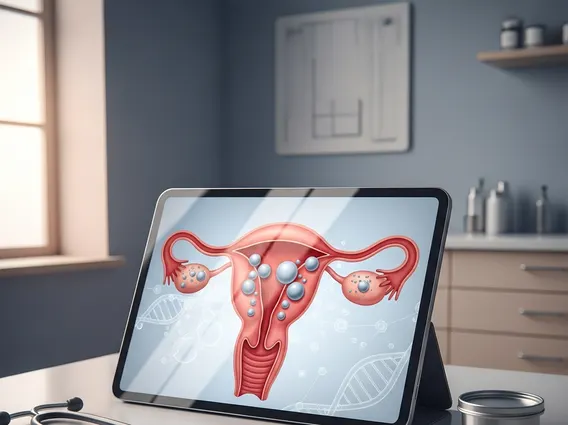
Radical Trachelectomy refers to a complex surgical intervention designed to treat early-stage cervical cancer while preserving a woman’s ability to conceive and carry a pregnancy. Unlike a hysterectomy, which removes the entire uterus, this procedure selectively removes the cervix, the upper part of the vagina, and the surrounding supportive tissues (parametrium), along with the pelvic lymph nodes, to ensure complete removal of cancerous cells.
The goal of a Radical trachelectomy procedure explained is to meticulously excise the affected area while maintaining the integrity of the uterus and its blood supply. This delicate balance is crucial for preserving reproductive function. The procedure is typically performed through a vaginal approach, an abdominal approach, or minimally invasively using laparoscopy or robotic-assisted techniques, depending on the individual case and surgeon’s expertise. It is a highly specialized surgery, often performed in centers with extensive experience in gynecologic oncology.
Benefits and Candidates for Radical Trachelectomy
The primary benefits of radical trachelectomy revolve around fertility preservation. For women diagnosed with early-stage cervical cancer who have not yet completed their families, this surgery offers a chance to remove the cancer effectively while retaining the possibility of future pregnancies. This is a significant advantage over a radical hysterectomy, which renders future pregnancy impossible.
Candidates for radical trachelectomy are carefully selected based on specific criteria to ensure the procedure’s efficacy and safety. Generally, suitable candidates include:
- Women with early-stage cervical cancer, typically FIGO stage IA2 or IB1.
- Tumor size usually less than 2 cm (though some centers may consider up to 4 cm in specific cases).
- No evidence of lymph node metastasis or spread of cancer beyond the cervix.
- A strong desire to preserve fertility and have children in the future.
- Absence of other medical conditions that would contraindicate a pregnancy.
According to the American Cancer Society, cervical cancer is often diagnosed in younger women, making fertility-sparing options like radical trachelectomy increasingly important for quality of life post-treatment.
Radical Trachelectomy Recovery and Post-Procedure Care
The Radical trachelectomy recovery time varies among individuals but generally involves an initial hospital stay of a few days, followed by several weeks of recuperation at home. During the immediate post-operative period, patients may experience pain, fatigue, and vaginal discharge. Pain management, infection prevention, and monitoring for complications are key aspects of hospital care.
Upon discharge, patients are advised to avoid strenuous activities, heavy lifting, and sexual intercourse for several weeks to allow for proper healing. Full recovery, including a return to normal activities, can take anywhere from 6 to 12 weeks. Long-term post-procedure care includes regular follow-up appointments with the gynecologic oncologist to monitor for any signs of cancer recurrence and to discuss future fertility plans. Women who become pregnant after a radical trachelectomy are typically considered high-risk and may require a cervical cerclage (a stitch to reinforce the cervix) and close monitoring due to an increased risk of preterm labor or miscarriage. It is crucial for patients to adhere strictly to their medical team’s advice throughout the recovery and subsequent reproductive journey.