
Radical Retropubic Prostatectomy
Radical Retropubic Prostatectomy is a significant surgical intervention primarily used to treat localized prostate cancer. This procedure involves the complete removal of the prostate gland and surrounding tissues to eliminate cancerous cells.
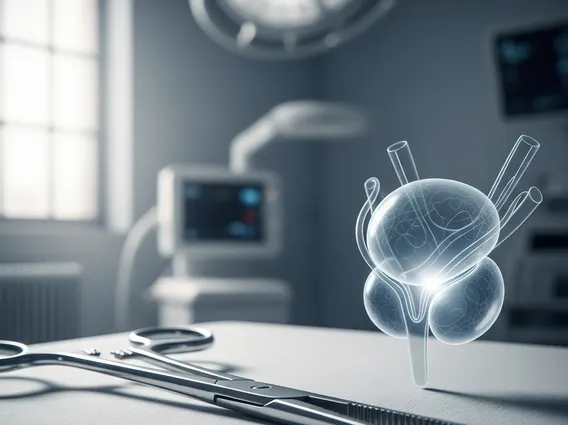
Key Takeaways
- Radical Retropubic Prostatectomy is an open surgical procedure for localized prostate cancer.
- The surgery involves removing the entire prostate gland, seminal vesicles, and sometimes nearby lymph nodes.
- It is performed through an incision in the lower abdomen.
- Recovery includes a hospital stay, temporary catheter use, and a gradual return to normal activities.
- Potential side effects include urinary incontinence and erectile dysfunction, which can often be managed.
What is Radical Retropubic Prostatectomy?
Radical Retropubic Prostatectomy refers to a traditional open surgical procedure for removing the entire prostate gland, along with the seminal vesicles and sometimes nearby lymph nodes. This operation is a common and effective treatment option for men diagnosed with localized prostate cancer, meaning the cancer is confined to the prostate and has not spread to other parts of the body. The goal of the surgery is to completely remove the cancerous tissue, offering a potential cure for the disease.
Historically, this approach has been a cornerstone in prostate cancer management, providing surgeons with direct visualization and tactile feedback during the complex dissection. While newer minimally invasive techniques like robotic-assisted laparoscopic prostatectomy have emerged, the retropubic approach remains a viable option, particularly in specific clinical scenarios or based on surgeon expertise.
The Radical Retropubic Prostatectomy Procedure
The radical retropubic prostatectomy procedure typically begins with the patient under general anesthesia. The surgeon makes an incision in the lower abdomen, extending from the belly button down to the pubic bone. This incision provides direct access to the prostate gland, which is located deep within the pelvis.
During the surgery, the prostate gland is carefully separated from surrounding tissues, including the bladder neck and urethra. The seminal vesicles, which are glands located behind the prostate that produce fluid for semen, are also removed. In some cases, depending on the risk of cancer spread, pelvic lymph nodes may also be removed for pathological examination. After the prostate and associated tissues are removed, the bladder is reconnected to the urethra, and a catheter is inserted to drain urine while the surgical area heals. The incision is then closed with sutures or staples.
Key steps in the procedure include:
- Making a lower abdominal incision to expose the prostate.
- Carefully dissecting and removing the prostate gland and seminal vesicles.
- Potentially removing nearby lymph nodes for staging.
- Reconnecting the bladder to the urethra.
- Placing a urinary catheter for post-operative drainage.
Recovery and Risks of Radical Retropubic Prostatectomy
Recovery from radical retropubic prostatectomy typically involves a hospital stay of a few days. Patients will have a urinary catheter in place for approximately one to three weeks post-surgery to allow the new connection between the bladder and urethra to heal. Pain management is provided, and patients are encouraged to walk soon after surgery to aid recovery and prevent complications like blood clots. Full recovery, including a return to normal activities, can take several weeks to months, depending on individual factors and the extent of the surgery.
Like any major surgery, there are potential risks of radical retropubic prostatectomy. The most common long-term side effects include urinary incontinence and erectile dysfunction. According to the American Cancer Society, while many men experience some degree of urinary leakage immediately after catheter removal, significant long-term incontinence (requiring pads) affects a smaller percentage, with rates varying widely from 5% to 30% depending on the definition and follow-up period. Similarly, erectile dysfunction is common post-surgery, with rates ranging from 30% to 70%, though nerve-sparing techniques can help preserve function in some cases. Other potential risks include bleeding, infection, damage to surrounding organs, and anesthetic complications. Patients are thoroughly counselled on these risks before undergoing the procedure.



















