Radiation Surgery
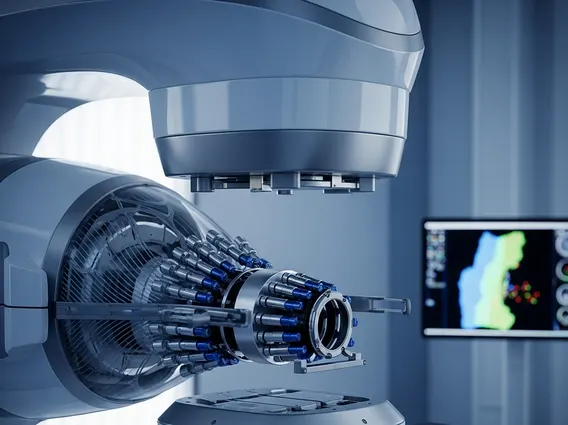
Radiation surgery is a highly specialized medical procedure used to treat various conditions, primarily certain types of tumors and other abnormalities. It employs precisely focused radiation beams to target and destroy diseased tissue while minimizing damage to surrounding healthy areas.
Key Takeaways
- Radiation Surgery uses highly focused radiation to precisely target and destroy abnormal cells or tumors.
- It is a non-invasive or minimally invasive technique often used as an alternative to conventional surgery for specific conditions.
- The procedure works by delivering high doses of radiation that damage the DNA of targeted cells, preventing their growth and division.
- Common applications include treating brain tumors, spinal tumors, and certain other cancers or vascular malformations.
- While generally well-tolerated, potential side effects can vary depending on the treated area and may include fatigue, skin irritation, or localized swelling.
What is Radiation Surgery?
Radiation Surgery refers to a highly advanced form of radiation therapy that delivers a very precise, high dose of radiation to a small, well-defined target area. Unlike traditional surgery, it is a non-invasive procedure, meaning it does not involve incisions. This technique is often used when a tumor or lesion is difficult to reach surgically, or when a patient’s overall health makes conventional surgery too risky. The goal of Radiation Surgery is to destroy the targeted cells or stop their growth, often in a single session or a few sessions.
Mechanisms and Applications of Radiation Surgery
Radiation surgery works by delivering highly concentrated beams of radiation, such as X-rays or gamma rays, directly to the abnormal tissue. These high-energy beams damage the DNA within the targeted cells, which prevents them from repairing themselves, growing, and dividing. Over time, the damaged cells die and are naturally cleared away by the body. The precision of this technique is achieved through advanced imaging and computer-guided systems that ensure the radiation dose is maximally effective on the target while sparing surrounding healthy tissues. This precise targeting is crucial, especially when treating sensitive areas like the brain or spine.
Radiation surgery for cancer is a primary application, treating various types of tumors, both benign and malignant. For instance, it is widely used for brain tumors, including metastatic brain tumors, acoustic neuromas, and meningiomas. It can also be effective for certain spinal tumors, lung cancers, liver cancers, and prostate cancers, particularly in cases where the tumor is localized and clearly defined. Beyond cancer, radiation surgery is also utilized for non-cancerous conditions, such as arteriovenous malformations (AVMs) in the brain, which are abnormal tangles of blood vessels that can cause bleeding or seizures. According to the American Cancer Society, radiation therapy, including radiation surgery, is a common treatment, with about half of all cancer patients receiving some form of radiation therapy during their treatment journey.
Potential Side Effects of Radiation Surgery
While radiation surgery is designed to be highly precise and minimize harm to healthy tissue, patients may still experience potential side effects. These effects are generally localized to the treated area and can vary depending on the location, size of the target, and the overall health of the individual. Most side effects are temporary and manageable.
Common radiation surgery side effects include:
- Fatigue: A general feeling of tiredness that can persist for several weeks after treatment.
- Skin irritation: Redness, dryness, or sensitivity in the area where the radiation beams entered the body, similar to a sunburn.
- Localized swelling: Temporary swelling in the treated area, especially in the brain, which may be managed with medication.
- Nausea or headaches: More common when treating areas in or near the brain.
- Hair loss: If the scalp is in the treatment field, hair loss may occur, which can be temporary or permanent.
Long-term side effects are less common but can include changes to cognitive function, vision, or hearing, depending on the treated area. Patients are closely monitored by their medical team to manage any side effects and ensure the best possible outcome. It is important for patients to discuss any concerns or symptoms with their healthcare provider throughout and after their treatment.