Radiation Recall
Radiation Recall is a fascinating and sometimes challenging phenomenon encountered in oncology, where tissues previously exposed to radiation react acutely to a subsequent trigger, often a chemotherapy drug. Understanding this reaction is crucial for managing patient care and optimizing treatment strategies.

Key Takeaways
- Radiation Recall is an inflammatory reaction in tissues previously irradiated, triggered by certain systemic therapies.
- It can manifest in various organs, including skin, lungs, and gastrointestinal tract, mimicking acute radiation effects.
- The exact mechanism involves a re-sensitization of previously damaged cells to new systemic agents.
- Symptoms vary widely depending on the affected tissue and can range from mild redness to severe organ dysfunction.
- Management primarily involves discontinuing the triggering agent and providing supportive care, with corticosteroids often used.
What is Radiation Recall and Its Underlying Causes
Radiation Recall refers to an inflammatory reaction that occurs in tissues previously exposed to therapeutic radiation, triggered by the administration of certain systemic agents, most commonly chemotherapy drugs. This phenomenon is distinct from a direct drug reaction or a new radiation exposure, as it specifically targets areas that have undergone prior irradiation, often months or even years earlier. The reaction can mimic the acute effects of radiation, appearing as redness, swelling, or pain in the irradiated field.
Causes of radiation recall are complex and not fully understood, but they are believed to involve a re-sensitization of cells that have sustained subclinical damage from previous radiation therapy. When a triggering agent, such as a specific chemotherapeutic drug or sometimes even an antibiotic, is introduced, these previously “sensitized” cells react acutely. This leads to an inflammatory cascade, manifesting as a sudden onset of symptoms in the irradiated area. The incidence of radiation recall varies significantly depending on the specific drug used, the radiation dose, and the time interval between radiation and drug administration. For instance, drugs like doxorubicin, gemcitabine, and taxanes are frequently implicated.
Identifying Symptoms and Effective Treatments for Radiation Recall
Radiation recall symptoms are highly variable and depend on the specific tissue or organ that was previously irradiated. The most commonly affected site is the skin, where symptoms can range from mild erythema (redness) and desquamation (peeling) to more severe blistering and ulceration, resembling a severe sunburn. Beyond the skin, radiation recall can affect internal organs, leading to a diverse array of manifestations:
- Lungs: Symptoms may include cough, shortness of breath, and chest pain, mimicking radiation pneumonitis.
- Gastrointestinal Tract: Patients might experience nausea, vomiting, diarrhea, abdominal pain, or mucositis if the esophagus or bowel was in the radiation field.
- Central Nervous System: In rare cases, if the brain was irradiated, symptoms like headache, seizures, or neurological deficits can occur.
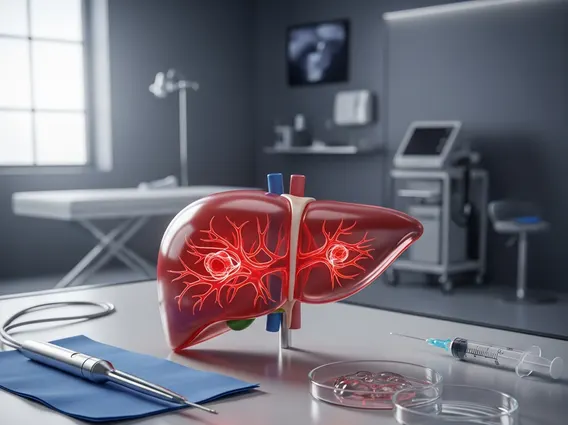
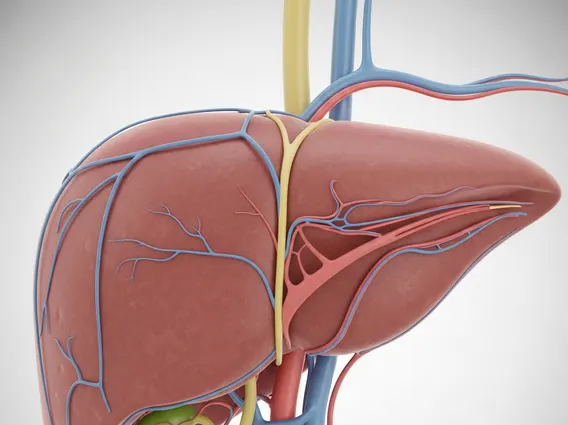
- Other Organs: Less commonly, organs like the liver, heart, or bladder can be affected, presenting with organ-specific inflammation and dysfunction.
The onset of symptoms typically occurs within days to weeks after the administration of the triggering agent.
Radiation recall treatment primarily involves prompt recognition and management of the reaction. The first and most crucial step is usually the discontinuation of the suspected triggering systemic agent. Supportive care is then initiated to alleviate symptoms and prevent complications. This often includes systemic corticosteroids (e.g., prednisone) to reduce inflammation, especially in moderate to severe cases affecting internal organs or extensive skin areas. For skin reactions, topical corticosteroids, emollients, and wound care may be applied to soothe irritation and promote healing. Pain management with analgesics is administered as needed, and for gastrointestinal involvement, maintaining hydration and nutritional support is vital. If secondary infection develops, appropriate antibiotics are prescribed. Close monitoring of the patient is essential, and treatment plans are individualized based on the severity and location of the recall reaction. While most cases resolve with appropriate management, severe reactions can lead to significant morbidity.