Psilocybine
Psilocybine is a naturally occurring psychedelic compound found in certain species of mushrooms, often referred to as “magic mushrooms.” It has garnered significant attention in recent years for its potential therapeutic applications in mental health, particularly in controlled clinical settings.
Key Takeaways
- Psilocybine is a naturally occurring psychedelic compound derived from specific mushroom species.
- It primarily acts on serotonin receptors in the brain, leading to profound alterations in perception, mood, and cognition.
- Current scientific research is actively exploring its potential as a therapeutic agent for various mental health conditions, including depression, anxiety, and PTSD.
- Its use is strictly regulated and currently confined to controlled clinical trials, highlighting the need for professional medical supervision.
- The compound’s mechanism involves enhancing neuroplasticity and altering brain network connectivity, which may contribute to its long-term therapeutic effects.
What is Psilocybine and Its Effects?
Psilocybine is a psychoactive alkaloid produced by over 200 species of fungi, most notably from the genus Psilocybe. When ingested, psilocybine is rapidly metabolized in the body to psilocin, which is the primary compound responsible for its psychedelic effects. These effects typically begin within 20 to 40 minutes and can last for four to six hours, depending on the dose and individual metabolism.
The effects of psilocybine are diverse and can include altered perceptions of time and space, enhanced sensory experiences, profound changes in mood, and introspective insights. Users may experience visual and auditory hallucinations, synesthesia, and a sense of interconnectedness. While many experiences are reported as positive and insightful, some individuals may encounter challenging or anxiety-provoking states, underscoring the importance of a supportive environment and professional guidance in therapeutic contexts. Understanding psilocybine for mental health involves recognizing both its profound potential and the necessity for careful administration and integration of experiences.
Psilocybine’s Mechanism of Action and Therapeutic Potential
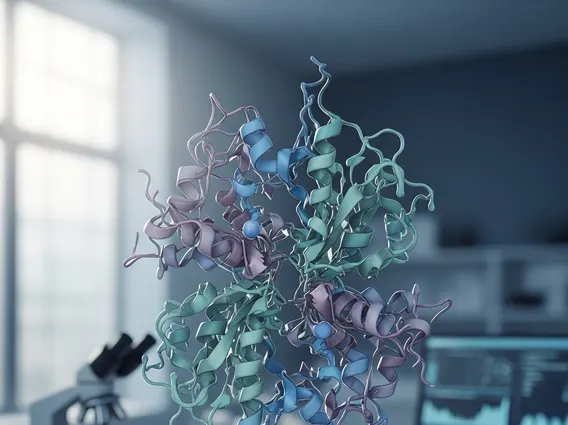
Psilocybine’s primary mechanism of action involves its active metabolite, psilocin, binding to serotonin 5-HT2A receptors in the brain. This interaction is believed to be crucial for its psychedelic effects and its therapeutic potential. By modulating these receptors, psilocin can lead to increased neuroplasticity, allowing the brain to form new connections and break free from rigid thought patterns often associated with mental health disorders. This effect on brain network connectivity is a key area of study in understanding its long-term benefits.
Psilocybine research and medical benefits are rapidly expanding, with numerous clinical trials investigating its efficacy for a range of conditions. For instance, studies have shown promising results in treating severe depression, where a single dose of psilocybine, combined with psychotherapy, has led to significant and sustained reductions in depressive symptoms. The World Health Organization (WHO) estimates that depression affects more than 280 million people globally, highlighting the urgent need for novel and effective treatments. Psilocybine is also being explored for:
- Treatment-resistant depression
- Anxiety and depression in cancer patients
- Post-traumatic stress disorder (PTSD)
- Obsessive-compulsive disorder (OCD)
- Substance use disorders, particularly alcohol and nicotine dependence
The therapeutic approach typically involves careful patient screening, preparation sessions, a guided psilocybine session, and subsequent integration therapy to help individuals process their experiences and incorporate insights into their daily lives. While promising, it is crucial to remember that psilocybine is a potent substance and its use outside of controlled medical research is illegal in most places and carries significant risks. Any information regarding alternative or complementary therapies, including psilocybine, is for supportive purposes only and does not replace professional medical diagnosis or treatment.