
Protozoal
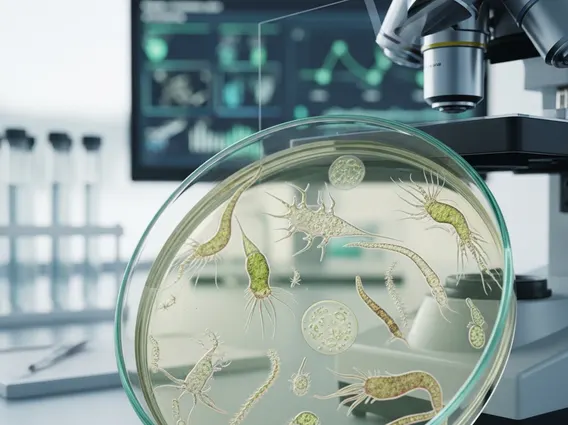
Protozoal refers to conditions or characteristics related to protozoa, which are diverse, single-celled eukaryotic microorganisms. These organisms can inhabit various environments and are known for their ability to cause a range of diseases in humans and animals.
Key Takeaways
- Protozoa are single-celled eukaryotic organisms, distinct from bacteria and viruses, known for their diverse forms and motility.
- They are responsible for numerous human infections, ranging from mild gastrointestinal issues to severe, life-threatening systemic diseases.
- Common transmission routes include contaminated food and water, insect vectors, and direct contact.
- Protozoa cause disease through mechanisms such as direct tissue damage, toxin production, and nutrient competition within the host.
- Understanding the specific life cycles and modes of transmission for different protozoal parasites is crucial for effective prevention and treatment strategies.
What are Protozoa and their Characteristics?
Protozoa are a diverse group of single-celled eukaryotic microorganisms, meaning their cells contain a nucleus and other membrane-bound organelles, distinguishing them from prokaryotic bacteria. They are ubiquitous, found in almost every habitat, including freshwater, marine environments, soil, and as parasites in plants and animals. The mandatory keyword, what is Protozoal, can be understood by examining these organisms and the conditions they cause.
Key characteristics of protozoa include their motility, which is achieved through various structures such as flagella (whip-like tails), cilia (hair-like projections), or pseudopods (temporary cytoplasmic extensions, or “false feet”). They are heterotrophic, meaning they obtain nutrients by ingesting other organisms or organic matter, often through phagocytosis. Protozoa exhibit diverse reproductive strategies, including asexual methods like binary fission, and sexual processes involving genetic recombination. Their life cycles can be complex, often involving different morphological stages, such as the metabolically active trophozoite and the resistant cyst form, which aids in survival and transmission.
Common Protozoal Infections in Humans
Protozoa are significant human pathogens, causing a wide array of diseases globally. The severity and symptoms of these infections depend on the specific parasite, the host’s immune status, and the organ system affected. Examples of protozoal parasites that commonly infect humans include Giardia lamblia, Entamoeba histolytica, Plasmodium species, and Toxoplasma gondii.
Some of the most prevalent protozoal infections include:
- Giardiasis: Caused by Giardia lamblia, this intestinal infection is acquired through contaminated water or food and leads to symptoms like diarrhea, abdominal cramps, and malabsorption. It is one of the most common causes of waterborne disease globally.
- Amoebiasis: Caused by Entamoeba histolytica, this infection can range from asymptomatic to severe dysentery, liver abscesses, and other extraintestinal manifestations. Transmission is typically fecal-oral.
- Malaria: A life-threatening disease caused by Plasmodium parasites, transmitted to humans through the bites of infected female Anopheles mosquitoes. According to the World Health Organization (WHO), there were an estimated 249 million malaria cases and 608,000 deaths worldwide in 2022.
- Toxoplasmosis: Caused by Toxoplasma gondii, this infection is often asymptomatic but can be severe in immunocompromised individuals or congenitally transmitted, leading to serious neurological damage. It is commonly acquired from undercooked meat or contact with cat feces.
- Cryptosporidiosis: Caused by Cryptosporidium parvum, this infection results in watery diarrhea and is highly resistant to chlorine disinfection, making it a common cause of recreational waterborne outbreaks.
How do Protozoa Cause Disease?
Protozoa cause disease in humans through several intricate mechanisms, often involving a combination of factors that disrupt host physiology and immune responses. One primary way is through direct invasion and destruction of host cells and tissues. For instance, Entamoeba histolytica directly lyses intestinal epithelial cells, leading to ulceration and inflammation in the colon. Similarly, Plasmodium parasites infect and destroy red blood cells, causing anemia and the characteristic fever cycles of malaria.
Beyond direct damage, some protozoa produce toxins or enzymes that contribute to pathogenesis. They can also interfere with nutrient absorption, as seen in giardiasis, where the parasites attach to the intestinal lining, impairing digestion and leading to malabsorption and weight loss. Furthermore, protozoa often employ sophisticated strategies to evade the host’s immune system, such as antigenic variation, allowing them to persist within the host for extended periods. The host’s immune response itself can sometimes contribute to pathology, with excessive inflammation leading to tissue damage. Understanding these mechanisms is vital for developing effective treatments and preventive measures against protozoal infections.



















