
Proctoscopy
Proctoscopy is a common medical procedure used to examine the rectum and anus. This diagnostic tool plays a crucial role in identifying various conditions affecting the lower gastrointestinal tract.
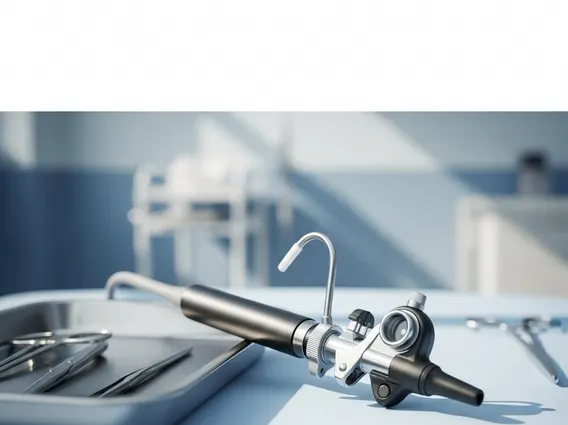
Key Takeaways
- Proctoscopy is a diagnostic procedure to examine the rectum and anus for abnormalities.
- It helps diagnose conditions like hemorrhoids, polyps, inflammation, and certain cancers.
- The procedure involves inserting a short, rigid tube called a proctoscope into the rectum.
- Preparation typically includes dietary adjustments and bowel cleansing to ensure clear visibility.
- It is a quick, generally well-tolerated outpatient procedure with minimal risks.
What is Proctoscopy: Purpose and Indications
Proctoscopy is a medical procedure that involves the visual examination of the rectum and anus using a proctoscope. This instrument is a short, rigid, hollow tube equipped with a light source, allowing the physician to directly inspect the lining of the rectal canal.
The primary purpose of proctoscopy exam is to diagnose and evaluate conditions affecting the lower part of the large intestine. Indications for a proctoscopy include investigating symptoms such as rectal bleeding, pain, changes in bowel habits, or the presence of a mass. It is frequently performed to identify hemorrhoids, anal fissures, polyps, inflammatory conditions like proctitis, and to screen for or monitor certain types of rectal cancer. According to the American Society of Colon and Rectal Surgeons, proctoscopy is a valuable tool for initial assessment of anorectal symptoms, guiding further diagnostic or therapeutic interventions.
Proctoscopy Procedure Details
The proctoscopy procedure details involve a relatively straightforward process, typically performed in an outpatient setting without the need for general anesthesia. The patient is usually positioned on their side with knees drawn up towards the chest or in a knee-chest position to facilitate access to the rectum. The physician will first perform a digital rectal examination to check for any obvious abnormalities and to lubricate the anal canal.
Next, the lubricated proctoscope is gently inserted into the anus and advanced into the rectum. The light source on the proctoscope illuminates the area, allowing the doctor to visually inspect the rectal lining for any signs of inflammation, bleeding, polyps, or other lesions. Air may be gently introduced through the proctoscope to distend the rectum slightly, improving visibility. If necessary, small tissue samples (biopsies) can be taken through the proctoscope for further laboratory analysis. The entire procedure usually takes only a few minutes, and most patients experience only mild discomfort or pressure.
Proctoscopy Preparation Guide
A proper proctoscopy preparation guide is essential to ensure the rectum is clear of stool, allowing for optimal visualization during the examination. Patients typically receive specific instructions from their healthcare provider, which may vary slightly but generally include the following steps:
- Dietary Adjustments: Patients may be advised to follow a clear liquid diet for a few hours before the procedure. This helps minimize the amount of solid waste in the digestive tract.
- Bowel Cleansing: This is a critical step. Patients are usually instructed to use one or two enemas (such as a Fleet enema) a few hours before the appointment. The enema helps to clear the lower rectum of any fecal matter that could obstruct the view.
- Medication Review: It is important to inform the doctor about all medications, especially blood thinners, as adjustments might be necessary to reduce the risk of bleeding if a biopsy is anticipated.
- Hydration: Maintaining good hydration with clear fluids is encouraged before the procedure, particularly if bowel cleansing agents are used.
Following these preparation steps diligently ensures a successful examination, allowing the physician to obtain a clear and accurate view of the rectal and anal tissues. Patients can typically resume their normal activities and diet immediately after the procedure.



















