Ppi
Proton Pump Inhibitors (PPIs) are a class of medications widely used to reduce stomach acid production. They play a crucial role in managing various gastrointestinal conditions by alleviating symptoms and promoting healing.
Key Takeaways
- PPIs are medications that effectively reduce stomach acid production.
- They are primarily used to treat conditions like GERD, ulcers, and Zollinger-Ellison syndrome.
- While generally safe for short-term use, long-term PPI use can be associated with potential risks.
- Common side effects include headache, nausea, and diarrhea.
- It is essential to use PPIs under medical supervision to ensure appropriate dosage and duration.
What is Ppi (Proton Pump Inhibitor)?
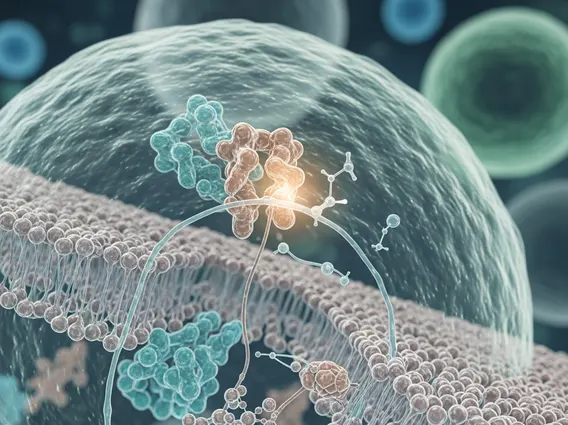
The Ppi meaning and definition refers to Proton Pump Inhibitors (PPIs), a group of drugs that work by blocking the proton pumps in the stomach lining. These pumps are responsible for the final step of acid secretion into the stomach. By inhibiting these pumps, PPIs significantly reduce the amount of acid produced, providing relief from acid-related symptoms and allowing damaged tissues to heal.
Ppi medication is among the most commonly prescribed drugs worldwide due to its high efficacy in treating conditions caused by excessive stomach acid. They are potent and long-lasting acid suppressants, offering sustained relief compared to other types of antacids or H2 blockers. The mechanism of action involves irreversible binding to the proton pumps, meaning new pumps must be synthesized before acid production can fully resume, leading to their prolonged effect.
Uses and Potential Risks of Ppi Medication
The primary PPI drug uses and risks are extensive, making them a cornerstone in gastroenterology. PPIs are prescribed for a variety of conditions where acid suppression is beneficial. These include:
- Gastroesophageal Reflux Disease (GERD): Characterized by chronic heartburn and acid regurgitation, GERD is effectively managed with PPIs, which reduce acid exposure to the esophagus.
- Peptic Ulcers: PPIs help heal gastric and duodenal ulcers by reducing acid, which can irritate and damage the stomach lining. They are often used in conjunction with antibiotics to eradicate Helicobacter pylori infection, a common cause of ulcers.
- Erosive Esophagitis: Inflammation and damage to the esophagus caused by stomach acid are treated with PPIs to promote healing and prevent recurrence.
- Zollinger-Ellison Syndrome: A rare condition involving tumors that produce excessive gastrin, leading to severe acid overproduction. High doses of PPIs are used to control acid secretion.
- Prevention of NSAID-induced Ulcers: For patients at high risk of developing ulcers from nonsteroidal anti-inflammatory drugs (NSAIDs), PPIs are prescribed prophylactically.
While generally well-tolerated, PPIs are associated with potential risks, especially with long-term use. Common side effects are usually mild and include headache, nausea, diarrhea, and abdominal pain. However, more serious concerns have emerged regarding prolonged use. For instance, studies suggest a potential increased risk of bone fractures, particularly in older adults, due to reduced calcium absorption. According to data from the Centers for Disease Control and Prevention (CDC), millions of adults in the U.S. use PPIs, highlighting the importance of understanding these potential long-term effects.
Other potential risks associated with long-term PPI use include an increased susceptibility to certain infections, such as Clostridium difficile-associated diarrhea and pneumonia, possibly due to changes in gut microbiota and reduced gastric acid barrier function. There are also concerns about kidney disease and vitamin B12 deficiency. It is crucial for patients to discuss the benefits and risks with their healthcare provider, and to use the lowest effective dose for the shortest necessary duration to mitigate these potential complications. Any mention of alternative or complementary therapies is for supportive information only and does not replace professional medical treatment.