Ppar Gamma Pathway
The Ppar Gamma Pathway plays a crucial role in regulating various physiological processes, particularly those related to metabolism, inflammation, and cellular differentiation. Understanding its intricate mechanisms is vital for advancing therapeutic strategies in several chronic diseases.
Key Takeaways
- The Ppar Gamma Pathway is a nuclear receptor signaling system involved in gene expression regulation.
- It is primarily known for its role in adipogenesis, glucose homeostasis, and lipid metabolism.
- Activation of this pathway can modulate inflammatory responses and cellular proliferation.
- Dysregulation of the Ppar Gamma Pathway is implicated in metabolic disorders like type 2 diabetes and obesity.
- Targeting this pathway offers therapeutic potential for metabolic diseases, certain cancers, and inflammatory conditions.
What is the PPAR Gamma Pathway?
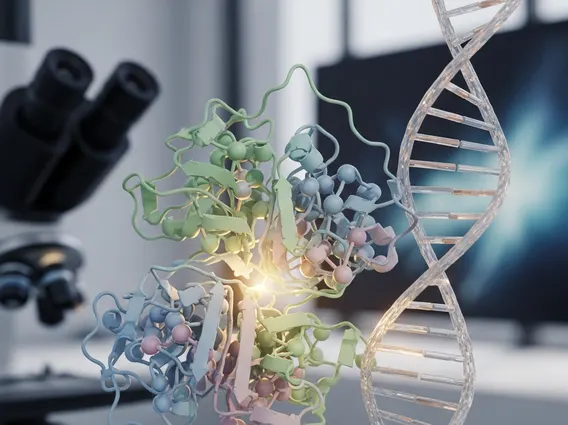
The Ppar Gamma Pathway refers to the signaling cascade initiated by Peroxisome Proliferator-Activated Receptor gamma (PPARγ), a ligand-activated nuclear receptor. This receptor acts as a transcription factor, meaning it binds to specific DNA sequences to regulate the expression of target genes. When activated by specific ligands, PPARγ forms a heterodimer with the Retinoid X Receptor (RXR), and this complex then binds to Peroxisome Proliferator Response Elements (PPREs) in the promoter regions of target genes. This binding leads to changes in gene transcription, influencing a wide array of cellular functions. The Ppar Gamma Pathway is extensively studied because of its profound impact on metabolic health and inflammatory processes, making it a significant area of research in medical science.
Mechanism of Action and Biological Roles of PPAR Gamma Pathway
The ppar gamma pathway mechanism of action involves its activation by endogenous ligands, such as fatty acids and eicosanoids, as well as synthetic ligands, including the thiazolidinediones (TZDs) used in diabetes treatment. Upon ligand binding, PPARγ undergoes a conformational change, recruits coactivator proteins, and facilitates the transcription of genes involved in various metabolic and cellular processes. This intricate mechanism allows the pathway to exert broad control over cellular physiology.
The function of ppar gamma pathway is multifaceted, encompassing critical biological roles that maintain metabolic balance and modulate immune responses. Its primary functions include promoting adipogenesis (fat cell formation), enhancing insulin sensitivity, and regulating lipid metabolism. Beyond metabolism, the pathway also influences inflammatory responses, cell proliferation, and differentiation. The ppar gamma pathway biological roles are crucial for maintaining overall physiological homeostasis. Key biological roles include:
- Adipogenesis: PPARγ is considered the master regulator of adipocyte differentiation, driving the formation of new fat cells and lipid storage.
- Glucose Homeostasis: It enhances insulin sensitivity in peripheral tissues, leading to improved glucose uptake and utilization, which is vital for managing blood sugar levels.
- Lipid Metabolism: The pathway regulates the synthesis, storage, and catabolism of lipids, impacting triglyceride levels and fatty acid oxidation.
- Anti-inflammatory Effects: PPARγ can suppress the expression of pro-inflammatory genes and pathways, contributing to the resolution of inflammation.
- Cell Proliferation and Differentiation: It plays a role in regulating the cell cycle and differentiation of various cell types, including immune cells and epithelial cells.
These diverse roles underscore the pathway’s importance in health and disease, particularly in conditions characterized by metabolic dysfunction and chronic inflammation.
Therapeutic Relevance of the PPAR Gamma Pathway
The Ppar Gamma Pathway has emerged as a significant target for therapeutic interventions, particularly in the context of metabolic disorders. Its ability to enhance insulin sensitivity has led to the development of drugs like thiazolidinediones (e.g., pioglitazone, rosiglitazone), which are used to treat type 2 diabetes. These drugs activate PPARγ, thereby improving glucose uptake in muscle and adipose tissue and reducing hepatic glucose production. However, their use is often accompanied by side effects such as weight gain and fluid retention, necessitating ongoing research into more selective modulators.
Beyond diabetes, the Ppar Gamma Pathway is being investigated for its potential in treating other conditions. Its anti-inflammatory properties suggest a role in managing chronic inflammatory diseases, while its influence on cell proliferation and differentiation has garnered interest in oncology, with studies exploring its potential in inhibiting tumor growth and promoting differentiation in various cancers. The pathway’s broad impact on cellular processes continues to make it a compelling target for developing novel therapeutic strategies across a range of complex diseases.