Postremission Therapy
Postremission Therapy is a critical phase in the treatment of certain cancers, designed to maintain the disease-free state achieved after initial intensive therapy. This strategic approach aims to eliminate any remaining cancer cells that may not have been detected, thereby reducing the risk of relapse.

Key Takeaways
- Postremission Therapy is a treatment phase following initial cancer remission, focused on preventing relapse.
- It targets residual cancer cells that may not be detectable after induction therapy.
- The specific type of therapy depends on the cancer, patient factors, and initial treatment response.
- Common modalities include chemotherapy, radiation, immunotherapy, and stem cell transplantation.
- Its primary goal is to improve long-term survival rates and quality of life for patients.
What is Postremission Therapy?
Postremission Therapy refers to the crucial phase of cancer treatment administered after a patient has achieved complete remission following initial intensive therapy, often called induction therapy. The primary objective of this phase is to eradicate any microscopic residual disease (MRD) that might still be present in the body but is undetectable by standard diagnostic methods. This proactive approach is vital because even a small number of remaining cancer cells can lead to a relapse if left untreated.
The postremission therapy definition centers on its role in consolidation and maintenance. Consolidation therapy typically involves several cycles of chemotherapy or other treatments given shortly after remission to further reduce the tumor burden. Maintenance therapy, on the other hand, involves lower-dose, longer-term treatment to prevent recurrence over an extended period. Understanding Postremission Therapy is key to appreciating its significance in improving long-term outcomes for patients, particularly in hematological malignancies like leukemia and lymphoma. For instance, in acute myeloid leukemia (AML), postremission therapy is crucial, as relapse rates can be high without it. According to the American Cancer Society, effective postremission strategies significantly contribute to sustained remission rates in many types of cancer.
Types and Applications of Postremission Therapy
The selection of specific postremission therapy types and uses is highly individualized, depending on the type of cancer, the patient’s overall health, the response to initial treatment, and the presence of any high-risk genetic markers. These therapies are designed to be potent enough to eliminate residual cancer cells while minimizing severe side effects.
Common modalities employed in postremission settings include:
- Chemotherapy: Often involves different agents or higher doses than induction therapy, or a prolonged course of lower-dose agents. It targets rapidly dividing cells throughout the body.
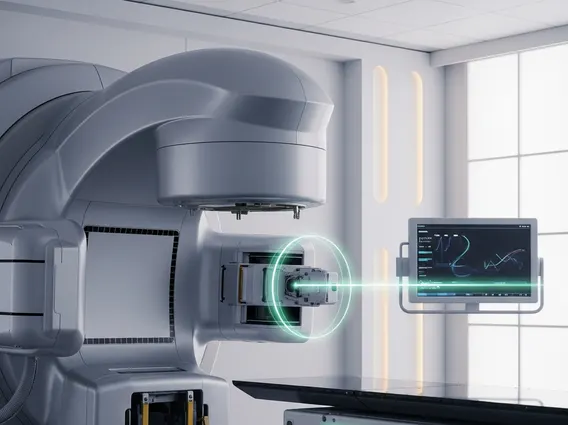
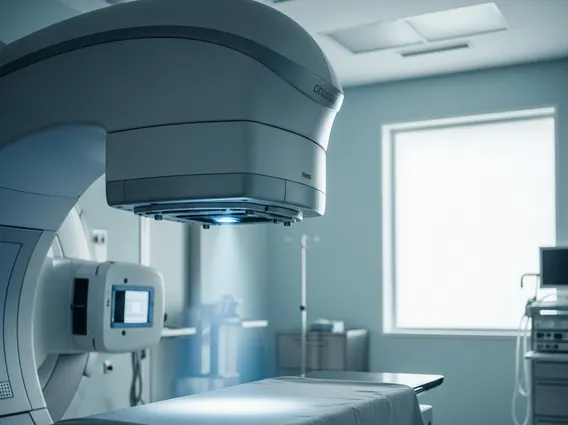
- Radiation Therapy: Used to target specific areas where cancer cells are likely to persist, such as the central nervous system in certain leukemias, or localized tumor beds.
- Immunotherapy: Utilizes the body’s own immune system to fight cancer cells. This can include monoclonal antibodies, checkpoint inhibitors, or CAR T-cell therapy, which have shown promise in maintaining remission in various cancers.
- Targeted Therapy: Drugs that specifically target molecular pathways involved in cancer growth and survival, often used in maintenance phases for cancers with specific genetic mutations.
- Hematopoietic Stem Cell Transplantation (HSCT): For some high-risk cancers, especially certain leukemias and lymphomas, an autologous or allogeneic stem cell transplant may be used as an intensive form of postremission therapy to replace diseased bone marrow with healthy cells.
For example, in acute lymphoblastic leukemia (ALL), postremission therapy often includes several phases of chemotherapy, sometimes followed by cranial radiation or intrathecal chemotherapy to prevent central nervous system relapse. In certain lymphomas, consolidation with high-dose chemotherapy and autologous stem cell transplant may be recommended. These varied applications underscore the tailored nature of postremission strategies, all aimed at achieving durable remission and enhancing patient survival.