Port
A Port, in a medical context, refers to an implantable venous access device designed for long-term administration of medications, fluids, or for drawing blood samples. This device significantly enhances patient comfort and treatment efficacy by providing reliable access to the bloodstream.
Key Takeaways
- A medical Port is an implantable device providing long-term access to a patient’s bloodstream.
- It consists of a small reservoir implanted under the skin and a catheter leading into a large vein.
- Ports are crucial for patients requiring frequent or continuous intravenous treatments, such as chemotherapy or antibiotics.
- Proper care and sterile technique during access are essential to prevent complications like infection or occlusion.
- The use of Ports improves patient quality of life by reducing the need for repeated needle sticks.
What is a Port: Definition and Types
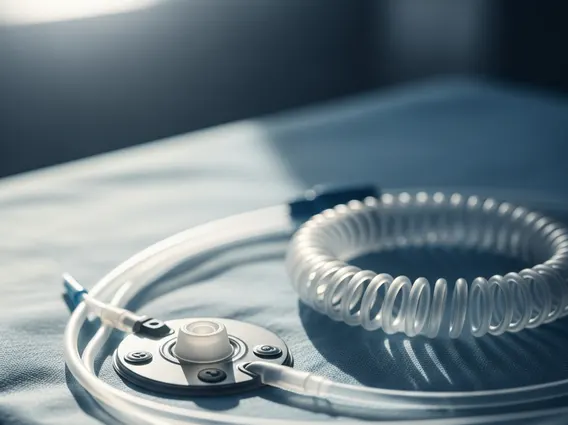
A Port, often referred to as a port-a-cath or an implantable port, is a small medical device surgically placed under the skin, typically in the chest, to provide easy, long-term access to a patient’s venous system. This device is invaluable for individuals who require frequent intravenous (IV) treatments, blood draws, or infusions over an extended period, such as those undergoing chemotherapy, long-term antibiotic therapy, or nutritional support. It eliminates the need for repeated needle sticks into peripheral veins, which can become damaged or difficult to access over time.
The device consists of two main components: a small, self-sealing reservoir (septum) made of silicone or plastic, implanted just beneath the skin, and a catheter, a thin, flexible tube connected to the reservoir that is threaded into a large central vein, usually in the neck or chest. When access is needed, a special non-coring needle is inserted through the skin into the port’s septum, allowing direct access to the bloodstream. This design minimizes discomfort and reduces the risk of infection compared to external catheters.
There are several types of Ports, primarily distinguished by their placement and specific features:
- Chest Port: The most common type, implanted in the upper chest area, with the catheter typically routed to the superior vena cava.
- Arm Port: Less common, implanted in the upper arm, with the catheter leading to a central vein. These are sometimes referred to as PICC ports when the catheter is a peripherally inserted central catheter.
- Power Port: A specific type of port designed to withstand higher injection pressures, allowing for rapid infusion of fluids and contrast agents for imaging studies like CT scans. These are identifiable by a triangular shape or specific labeling.
The choice of Port type depends on various factors, including the patient’s medical condition, the type and duration of treatment, and individual anatomical considerations. For instance, a power port might be preferred for oncology patients requiring frequent imaging with contrast, while a standard chest port is suitable for general long-term venous access.
Seaport Operations and Global Trade Importance
While the heading typically refers to maritime activities, in the medical context, “Port Operations” refer to the critical procedures involved in the management and use of an implantable venous access device. These operations begin with the surgical insertion of the Port, a minor procedure usually performed under local anesthesia. Post-insertion, the primary “operations” include accessing the Port for infusions or blood draws, flushing the Port to maintain patency, and proper dressing changes to prevent infection. Accessing a Port requires sterile technique, using a non-coring needle to puncture the skin and the port’s septum. Regular flushing with saline or heparinized saline is crucial to prevent blood clots from forming within the catheter, which could lead to occlusion.
The careful execution of these “operations” is paramount to prevent complications such as infection, occlusion, or catheter migration. Infections, though rare, can be serious, necessitating antibiotic treatment or even Port removal. Proper training for healthcare professionals and patient education on Port care are vital components of successful Port management. Patients are often taught to recognize signs of infection, such as redness, swelling, or pain at the Port site, and to maintain good hygiene around the area.
The “importance” of these medical Ports for patient care, akin to “global trade importance” in a broader sense, lies in their profound impact on the delivery of essential healthcare services worldwide. They streamline complex treatment regimens, improve patient comfort by eliminating repeated venipunctures, and reduce the risk of peripheral vein damage. For patients with chronic conditions or those undergoing intensive treatments like chemotherapy, Ports are indispensable, enabling consistent and reliable access to the bloodstream for life-sustaining therapies. According to the American Cancer Society, tens of thousands of central venous access devices, including Ports, are implanted annually in the United States alone, significantly enhancing the quality of life and treatment outcomes for countless individuals battling serious illnesses.