Polyposis
Polyposis refers to a medical condition characterized by the presence of numerous polyps, which are abnormal growths of tissue, within a specific organ or throughout the body. These growths can vary in size, shape, and cellular composition, and their presence often necessitates medical evaluation due to potential health implications.

Key Takeaways
- Polyposis involves the development of multiple polyps, which are abnormal tissue growths, in various parts of the body, most commonly the gastrointestinal tract.
- Polyps can be benign (non-cancerous) or malignant (cancerous), and certain types of polyposis syndromes significantly increase cancer risk.
- Symptoms vary depending on the location of the polyps but can include bleeding, abdominal pain, and changes in bowel habits.
- Causes often involve genetic mutations, though inflammatory conditions and environmental factors can also contribute.
- Diagnosis typically involves endoscopic procedures, imaging, and genetic testing, with regular screening crucial for early detection and management.
What is Polyposis?
Polyposis is a medical term describing the condition where an individual develops multiple polyps. A polyp is an abnormal growth of tissue that protrudes from a mucous membrane, such as the lining of the colon, stomach, or nose. While polyps are often benign, their presence, especially in large numbers or certain types, can indicate an increased risk of malignancy. The term encompasses various syndromes and conditions, each with distinct characteristics regarding the location, type, and potential for cancerous transformation of the polyps.
These growths can occur in many parts of the body, but they are most frequently observed in the gastrointestinal tract, particularly the colon and rectum. For instance, colorectal polyps are quite common, with studies indicating that approximately 30-50% of adults over 50 may have at least one colorectal polyp, though only a small fraction of these will develop into cancer. (Source: American Cancer Society). Understanding the specific type of polyposis is crucial for determining the appropriate surveillance and treatment strategy.
Types, Symptoms, and Causes of Polyposis
The landscape of polyposis is diverse, encompassing several distinct conditions, each with its own set of characteristics. Understanding the various types of polyposis explained is fundamental for accurate diagnosis and management. Some of the most recognized types include:
- Familial Adenomatous Polyposis (FAP): An inherited condition characterized by the development of hundreds to thousands of adenomatous polyps in the colon and rectum, typically beginning in teenage years. It carries a nearly 100% risk of colorectal cancer if left untreated.
- Attenuated Familial Adenomatous Polyposis (AFAP): A milder form of FAP, with fewer polyps (usually 10-100) and a later onset of cancer, but still a significant risk.
- Peutz-Jeghers Syndrome (PJS): An inherited disorder causing hamartomatous polyps throughout the gastrointestinal tract, often accompanied by characteristic dark spots on the lips and oral mucosa. It increases the risk of various cancers, including colorectal, stomach, pancreatic, and breast cancer.
- Juvenile Polyposis Syndrome (JPS): Characterized by the presence of multiple juvenile polyps, primarily in the colon, but also in the stomach and small intestine. These polyps are typically benign but carry an increased risk of colorectal cancer.
- Serrated Polyposis Syndrome (SPS): Defined by the presence of multiple serrated polyps in the colon, which are a distinct type of polyp with a recognized potential for malignant transformation.
The polyposis symptoms and causes can vary significantly based on the location, size, and number of polyps. Common symptoms, especially for gastrointestinal polyps, may include rectal bleeding, changes in bowel habits (such as diarrhea or constipation), abdominal pain or cramping, and iron deficiency anemia due to chronic blood loss. However, many polyps, especially when small, are asymptomatic and are only discovered during routine screening or investigation for other conditions.
The underlying causes of polyposis are often genetic. Many polyposis syndromes, like FAP, PJS, and JPS, are caused by inherited mutations in specific genes (e.g., APC gene for FAP, STK11 for PJS, BMPR1A or SMAD4 for JPS). In other cases, polyps can arise from chronic inflammation (e.g., inflammatory bowel disease) or environmental factors, though these are more commonly associated with sporadic polyp development rather than widespread polyposis.
Diagnosing Polyposis Conditions
Accurate diagnosing polyposis conditions is crucial for timely intervention and management, especially given the increased cancer risk associated with many forms. The diagnostic process typically involves a combination of medical history review, physical examination, and various imaging and endoscopic procedures.
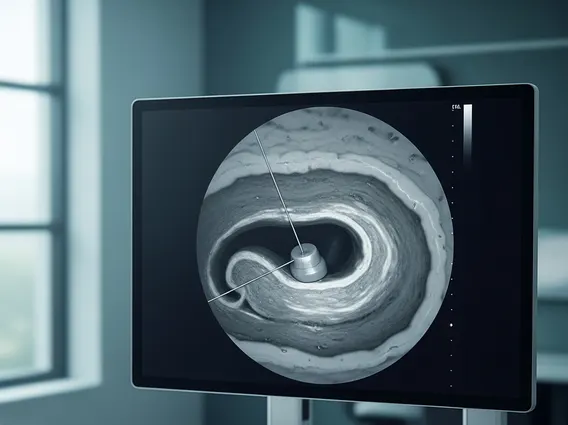
Endoscopic procedures are paramount for visualizing and sampling polyps. A colonoscopy is the gold standard for detecting colorectal polyps, allowing direct visualization of the entire colon, biopsy of suspicious growths, and removal of polyps (polypectomy). For polyps in the upper gastrointestinal tract, an upper endoscopy (gastroscopy) may be performed. Small bowel endoscopy or capsule endoscopy can be used to examine the small intestine. These procedures not only aid in diagnosis but also serve as a primary method for surveillance and prevention.
Genetic testing plays a vital role in confirming inherited polyposis syndromes. If a specific syndrome is suspected based on family history or polyp characteristics, genetic analysis can identify mutations in associated genes, which is critical for guiding patient management and family screening. Imaging studies, such as CT scans or MRI, may be used to assess the extent of polyposis or to look for associated complications or extra-intestinal manifestations. Regular surveillance with appropriate screening intervals is a cornerstone of managing polyposis, aiming to detect and remove polyps before they become cancerous.