Polyphenon E
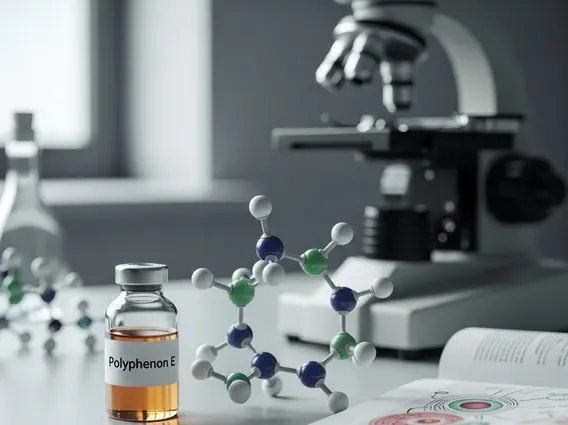
Polyphenon E is a standardized botanical drug product derived from green tea leaves, primarily recognized for its rich concentration of catechins, particularly epigallocatechin gallate (EGCG). It is an investigational agent that has garnered significant interest in various medical and clinical research settings due to its potential therapeutic properties.
Key Takeaways
- Polyphenon E is a green tea extract standardized for its catechin content, especially EGCG.
- It is being investigated for its antioxidant, anti-inflammatory, and potential chemopreventive properties.
- Research explores its applications in dermatology, oncology, and other areas, often as a supportive agent.
- Clinical studies are ongoing to establish its efficacy, safety, and optimal uses in various medical conditions.
- As an investigational product, its definitive medical applications are still under evaluation.
What is Polyphenon E?
Polyphenon E refers to a proprietary extract from green tea (Camellia sinensis) leaves, specifically formulated to contain a high concentration of polyphenolic catechins. These compounds are naturally occurring antioxidants found abundantly in green tea. The most prominent catechin in Polyphenon E, and often the focus of research, is epigallocatechin gallate (EGCG), which is believed to be responsible for many of its observed biological activities. This botanical drug product is typically standardized to ensure consistent levels of its active components, making it suitable for rigorous scientific investigation.
As an investigational agent, Polyphenon E is not a widely available commercial product for general consumption but rather a compound used in clinical trials and research studies. Its development aims to harness the potential health benefits associated with green tea in a controlled and measurable form, allowing for precise dosing and evaluation of its effects in various medical contexts.
Polyphenon E Benefits and Uses
The potential Polyphenon E benefits and uses stem largely from its potent antioxidant and anti-inflammatory properties. Catechins, particularly EGCG, are known to combat oxidative stress by neutralizing free radicals, which can contribute to cellular damage and various chronic diseases. Its anti-inflammatory effects may help modulate immune responses and reduce inflammation in different tissues.
Research has explored Polyphenon E for its therapeutic potential in several areas. For instance, it has been investigated in dermatological conditions, such as the treatment of external genital and perianal warts, where it has shown promise as a topical application. Beyond dermatology, preclinical and early clinical studies have also looked into its role as a potential chemopreventive agent, particularly in certain types of cancer, by influencing cell growth, differentiation, and apoptosis. The compound’s broad biological activities suggest a range of potential Polyphenon E health effects that are still being thoroughly examined.
It is important to note that while promising, many of these potential benefits are still under investigation, and Polyphenon E is not approved for widespread therapeutic use for most conditions. Its role is often considered supportive or adjunctive within a broader treatment strategy.
Polyphenon E: Current Research and Clinical Studies
Extensive Polyphenon E research studies are underway globally, focusing on elucidating its mechanisms of action, confirming its efficacy, and establishing its safety profile across various medical conditions. These studies range from in vitro and animal models to human clinical trials. Researchers are particularly interested in its application in oncology, where it is being studied for its potential to inhibit tumor growth, induce apoptosis in cancer cells, and enhance the effects of conventional therapies, often with a focus on specific cancer types like prostate, breast, and skin cancers.
Clinical trials involving Polyphenon E are designed to assess its effectiveness and safety in human subjects. For example, some trials investigate its use as a topical treatment for certain skin conditions, while others explore its systemic effects when administered orally. These studies aim to gather robust data on optimal dosages, potential side effects, and long-term outcomes. The rigorous process of clinical research is essential for determining the definitive medical applications of Polyphenon E and ensuring that any potential benefits outweigh the risks.
As an investigational product, the findings from these ongoing studies will be crucial in determining the future role of Polyphenon E in clinical practice. Patients should always consult with healthcare professionals regarding any medical conditions and treatment options, as information on investigational compounds like Polyphenon E is for educational purposes and does not replace professional medical advice.