Polypeptide
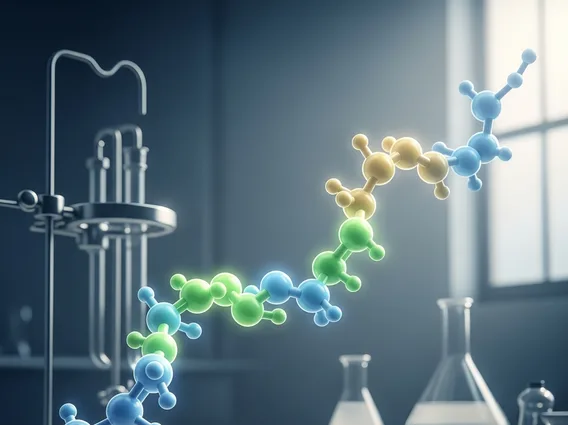
A polypeptide is a fundamental biological molecule, representing a linear chain of amino acids linked together by peptide bonds. These chains are crucial building blocks in the cellular machinery, often serving as precursors to functional proteins.
Key Takeaways
- A polypeptide is a chain of amino acids connected by peptide bonds.
- They are the primary structural components that fold into functional proteins.
- Polypeptides exhibit diverse biological roles, acting as hormones, signaling molecules, or enzymes.
- The specific sequence of amino acids dictates a polypeptide’s unique structure and potential function.
- While all proteins are polypeptides, not all polypeptides are considered fully functional proteins until they achieve a stable, folded three-dimensional structure.
What is a Polypeptide?
A Polypeptide is a polymer composed of multiple amino acid units joined together by peptide bonds. These bonds form between the carboxyl group of one amino acid and the amino group of another, releasing a molecule of water in the process. The sequence of amino acids in a polypeptide chain is determined by genetic information encoded in DNA and is critical for its eventual structure and function. Polypeptides can vary greatly in length, ranging from a few amino acids to several hundred or even thousands, and are synthesized during the process of translation in cells.
Polypeptide Structure, Function, and Biological Roles
The **polypeptide structure and function** are intrinsically linked, beginning with its primary structure: the unique linear sequence of amino acids. This sequence dictates how the chain will fold into more complex three-dimensional structures, including secondary structures like alpha-helices and beta-sheets, and eventually a tertiary structure. Some polypeptides may even combine with others to form a quaternary structure, characteristic of larger protein complexes. The precise folding is essential for a polypeptide to achieve its specific biological activity.
The **role of polypeptides in biology** is incredibly diverse. Many polypeptides function as hormones, such as insulin, which regulates blood sugar levels, or glucagon, which raises them. Others act as neurotransmitters, transmitting signals between nerve cells. Some polypeptides serve as enzymes, catalyzing biochemical reactions, while others are involved in structural support, transport, or immune defense. For instance, small polypeptides can act as antimicrobial agents, directly combating pathogens. These molecules are vital for maintaining cellular homeostasis and orchestrating complex physiological processes within living organisms.
Polypeptide vs. Protein: Key Differences
While the terms “polypeptide” and “protein” are often used interchangeably, there is a crucial **polypeptide vs protein difference**. A polypeptide refers specifically to the linear chain of amino acids. A protein, on the other hand, is a polypeptide (or sometimes multiple polypeptides) that has folded into a specific, stable three-dimensional structure and is capable of performing a biological function. Not all polypeptides become functional proteins; some may be cleaved, modified, or require association with other molecules to become active. The transformation from a simple polypeptide chain to a functional protein involves intricate folding processes, often assisted by chaperones, to achieve its native conformation.
| Feature | Polypeptide | Protein |
|---|---|---|
| Definition | A linear chain of amino acids linked by peptide bonds. | A functional biological macromolecule composed of one or more polypeptides folded into a specific 3D structure. |
| Structure | Refers primarily to the primary (amino acid sequence) and often secondary structures. | Encompasses primary, secondary, tertiary, and sometimes quaternary structures, all essential for function. |
| Functionality | May or may not be biologically active; often a precursor. | Is always biologically active and performs a specific cellular role. |
| Complexity | Can be relatively simple or complex in terms of amino acid sequence. | Typically more complex, requiring precise folding and often post-translational modifications. |