Polypectomy
Polypectomy is a medical procedure involving the removal of polyps, which are abnormal growths of tissue found on the inner lining of an organ. This procedure is crucial for preventing certain diseases, particularly colorectal cancer, by removing potentially precancerous or cancerous polyps before they can develop further.
Key Takeaways
- Polypectomy is the surgical removal of polyps, often performed during an endoscopy or colonoscopy.
- It is a vital procedure for preventing colorectal cancer by removing precancerous growths.
- Common techniques include snare polypectomy, forceps removal, endoscopic mucosal resection (EMR), and endoscopic submucosal dissection (ESD).
- Recovery typically involves mild discomfort and dietary adjustments, with most individuals resuming normal activities within a day or two.
- While generally safe, potential risks include bleeding, perforation, and, rarely, infection.
What is Polypectomy and How is it Performed?
Polypectomy refers to the surgical removal of polyps, which are abnormal tissue growths that can form on the mucous membranes of various organs, most commonly the colon, but also in the stomach, nose, or uterus. These growths can range from benign (non-cancerous) to precancerous or even cancerous. The primary goal of a polypectomy, especially in the colon, is to prevent colorectal cancer, as many cancers develop from adenomatous polyps over time. Regular screening procedures, such as colonoscopies, allow for the early detection and removal of these polyps. According to the Centers for Disease Control and Prevention (CDC), colorectal cancer is the third most common cancer diagnosed in both men and women in the United States, highlighting the importance of screening and polypectomy in prevention.
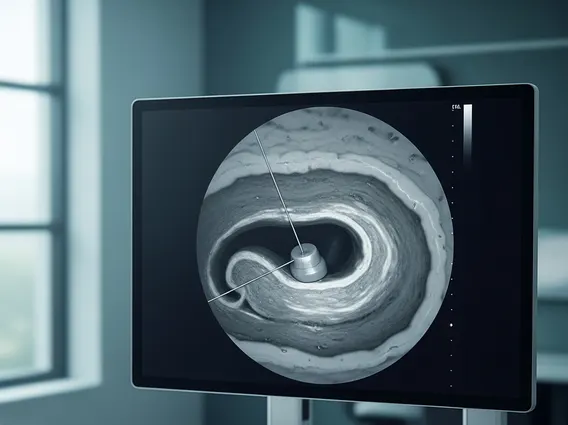
The method for how a colon polyp is removed depends on its size, location, and type. Most colon polyps are removed during a colonoscopy, an endoscopic procedure where a flexible tube with a camera is inserted into the rectum to visualize the colon. Common techniques used in a polypectomy procedure include:
- Forceps Removal: Small polyps (typically less than 5mm) can be grasped and removed using biopsy forceps passed through the endoscope.
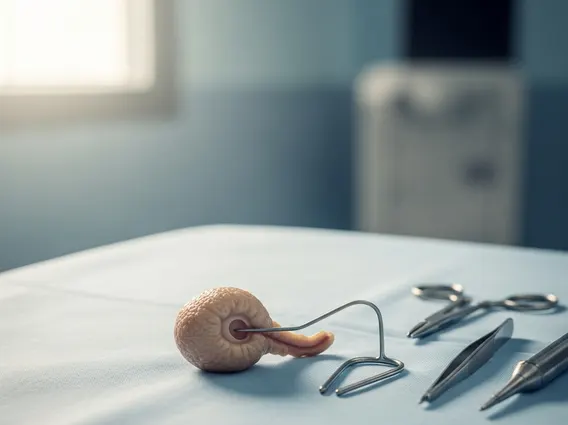
- Snare Polypectomy: Larger polyps are often removed using a wire loop (snare) that is placed around the base of the polyp. An electrical current is then passed through the snare to cut the polyp and cauterize the tissue, minimizing bleeding.
- Endoscopic Mucosal Resection (EMR): For larger or flatter polyps, a solution is injected beneath the polyp to lift it away from the muscular layer of the colon, making it easier and safer to remove with a snare.
- Endoscopic Submucosal Dissection (ESD): This advanced technique is used for very large or complex polyps, allowing for the removal of the polyp in one piece, which is beneficial for pathological assessment. It involves carefully dissecting the polyp from the submucosal layer.
These procedures are typically performed on an outpatient basis, meaning patients can return home the same day. The removed polyps are then sent to a laboratory for pathological examination to determine if they are benign, precancerous, or cancerous, which guides subsequent treatment and follow-up recommendations.
Polypectomy Recovery, Side Effects, and Risks
Polypectomy recovery time and tips are generally straightforward, with most individuals experiencing minimal discomfort and a quick return to normal activities. After the procedure, patients may experience mild abdominal cramping, gas, or bloating, which usually subsides within a day or two. It is often recommended to avoid heavy lifting and strenuous exercise for a short period, typically 24-48 hours. Dietary recommendations usually involve starting with light, easily digestible foods and gradually returning to a normal diet. Patients are advised to avoid alcohol and blood-thinning medications for a specified period, as directed by their physician, to minimize the risk of bleeding.
While generally safe, Polypectomy side effects and risks, though rare, can occur. Common minor side effects include:
- Mild abdominal discomfort or cramping.
- Small amount of blood in the stool, particularly if a larger polyp was removed. This usually resolves quickly.
More serious complications are uncommon but can include:
- Bleeding: This is the most common serious complication, occurring in about 0.1% to 1% of cases, according to the American Society for Gastrointestinal Endoscopy (ASGE). It can occur immediately or up to two weeks after the procedure.
- Perforation: A rare but serious risk (approximately 0.01% to 0.1% of cases) where a tear or hole occurs in the wall of the colon. This typically requires surgical repair.
- Infection: Although rare, infection can occur at the site of polyp removal or spread to other parts of the body.
Patients are typically given clear instructions on what symptoms to watch for, such as severe abdominal pain, persistent heavy bleeding from the rectum, fever, or chills, and when to seek immediate medical attention. Follow-up colonoscopies are often recommended at intervals determined by the number, size, and type of polyps removed, as well as the patient’s individual risk factors for colorectal cancer.