Polyp
A polyp is a growth of tissue that projects from a mucous membrane, such as the lining of the colon, stomach, or nose. While many polyps are benign, some have the potential to become cancerous over time, making early detection and removal crucial.

Key Takeaways
- A polyp is an abnormal tissue growth on a mucous membrane, often found in the colon, stomach, or nose.
- Polyps can be classified by their location and appearance, such as sessile or pedunculated, and can be inflammatory, hyperplastic, or adenomatous.
- Many polyps are asymptomatic, but some may cause bleeding, pain, or changes in bowel habits.
- Diagnosis typically involves imaging or endoscopic procedures, and treatment often includes surgical removal.
- Regular screening, especially for colorectal polyps, is vital for preventing cancer.
What is a Polyp?
A Polyp is an abnormal growth of tissue that protrudes from a mucous membrane into a body cavity. These growths can vary significantly in size, shape, and cellular composition. While the term generally refers to non-cancerous formations, some types of polyps, particularly adenomatous polyps in the colon, are considered precancerous and can develop into malignancy if not removed. The presence of polyps is common, especially with increasing age, and they can occur in various parts of the body.
The what is a polyp medical definition emphasizes that these are usually benign lesions arising from epithelial tissue. They are often discovered incidentally during routine examinations or screenings. Understanding their nature and potential for transformation is key to effective medical management and prevention of more serious conditions.
Types of Polyps, Symptoms, and Causes
Polyps are categorized based on their location, appearance, and microscopic characteristics. The types of polyps in the body include those found in the colon, stomach, nose, uterus, and vocal cords. Colorectal polyps are among the most common and are often classified as hyperplastic (generally benign) or adenomatous (with a risk of becoming cancerous). Gastric polyps can be inflammatory, fundic gland, or adenomatous. Nasal polyps are typically inflammatory growths in the nasal passages or sinuses.
The polyp symptoms and causes vary widely depending on their location and size. Many polyps, especially small ones, are asymptomatic and are only discovered during routine screenings. When symptoms do occur, they can include:
- Colorectal Polyps: Rectal bleeding, changes in bowel habits (diarrhea or constipation), abdominal pain, or iron deficiency anemia.
- Gastric Polyps: Abdominal pain, nausea, vomiting, or bleeding (less common).
- Nasal Polyps: Nasal congestion, runny nose, postnasal drip, reduced sense of smell, or facial pain.
- Uterine Polyps: Irregular menstrual bleeding, heavy periods, or bleeding after menopause.
The exact causes of polyps are not always clear, but they often involve chronic inflammation, genetic predisposition, or abnormal cell growth. For instance, colorectal polyps are often linked to a diet high in fat and red meat, obesity, smoking, and a family history of polyps or colorectal cancer. According to the Centers for Disease Control and Prevention (CDC), colorectal cancer screening can prevent cancer by finding and removing precancerous polyps.
Polyp Diagnosis and Treatment
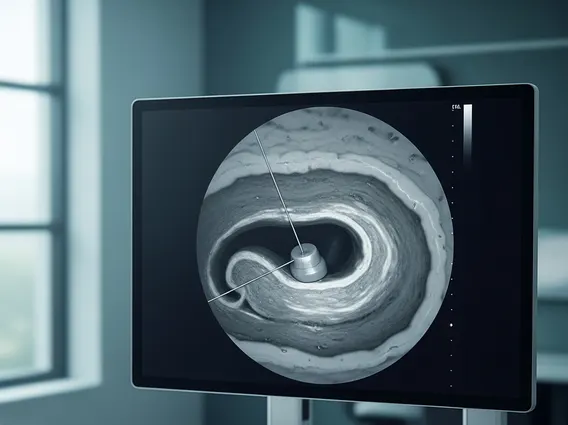
The process of how are polyps diagnosed and treated involves a combination of screening methods, diagnostic procedures, and therapeutic interventions. Diagnosis typically begins with screening tests appropriate for the suspected location of the polyp. For colorectal polyps, this often includes colonoscopy, which allows direct visualization and biopsy. Other diagnostic tools may include endoscopy for gastric polyps, nasal endoscopy for nasal polyps, or hysteroscopy for uterine polyps. Imaging techniques like CT scans or MRI may also be used to assess the size and extent of polyps.
Once diagnosed, treatment for polyps almost always involves removal. The method of removal depends on the polyp’s size, location, and type. Most polyps found during a colonoscopy can be removed during the same procedure using instruments passed through the endoscope. This is known as a polypectomy. For larger or more complex polyps, or those in difficult-to-reach locations, more invasive surgical procedures may be necessary. After removal, polyps are sent for pathological examination to determine if they are benign, precancerous, or cancerous. Regular follow-up screenings are often recommended, especially for individuals with a history of adenomatous polyps, to monitor for new growths and prevent recurrence.