Polymorphonuclear Leukocyte
Polymorphonuclear leukocytes, often abbreviated as PMNs, are a crucial component of the innate immune system, serving as the body’s first line of defense against infection. These specialized white blood cells play a vital role in identifying and eliminating harmful pathogens.
Key Takeaways
- Polymorphonuclear leukocytes (PMNs) are a type of white blood cell characterized by their multi-lobed nucleus and granular cytoplasm.
- The primary types of PMNs are neutrophils, eosinophils, and basophils, each with distinct functions in the immune response.
- PMNs are essential for innate immunity, primarily through phagocytosis, inflammation, and the release of antimicrobial substances.
- Neutrophils are the most abundant PMNs and are critical for fighting bacterial and fungal infections.
- Dysfunction or abnormal levels of PMNs can indicate various health conditions, from infections to autoimmune diseases.
What is a Polymorphonuclear Leukocyte?
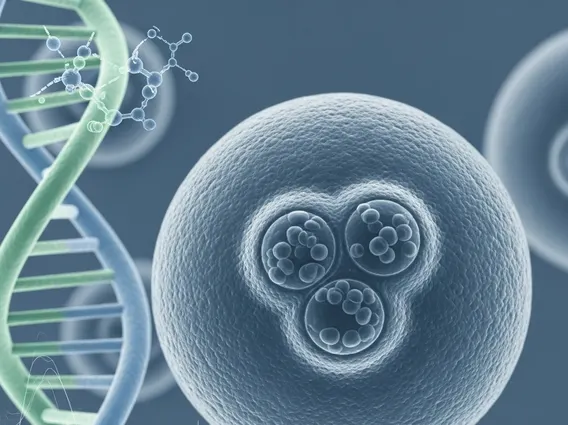
A polymorphonuclear leukocyte definition refers to a category of white blood cells (leukocytes) distinguished by their irregularly shaped, multi-lobed nucleus and the presence of granules within their cytoplasm. These granules contain various enzymes and antimicrobial compounds that are crucial for their immune functions. PMNs are part of the innate immune system, meaning they provide a rapid, non-specific response to invading pathogens.
These cells are produced in the bone marrow and circulate in the bloodstream, ready to be recruited to sites of infection or inflammation. Their unique nuclear morphology, which can appear as two to five distinct lobes connected by thin strands, gives them their “polymorphonuclear” (many-shaped nucleus) name. This characteristic nuclear structure, along with their granular appearance, allows them to be readily identified under a microscope.
Types of Polymorphonuclear Leukocytes
The immune system relies on several distinct types of polymorphonuclear leukocytes, each with specialized roles in defending the body. While all share the characteristic multi-lobed nucleus and granular cytoplasm, their specific granule contents and primary functions differ significantly. These include neutrophils, eosinophils, and basophils.
| Type of PMN | Key Characteristics | Primary Function |
|---|---|---|
| Neutrophils | Most abundant PMN (50-70% of WBCs); fine, light pink/purple granules; 2-5 lobed nucleus. | First responders to bacterial/fungal infections; phagocytosis; release antimicrobial agents. |
| Eosinophils | Less common (1-4% of WBCs); large, red/orange granules; usually bi-lobed nucleus. | Involved in allergic reactions, asthma, and defense against parasitic infections. |
| Basophils | Least common (<1% of WBCs); large, dark blue/purple granules; often bi-lobed or S-shaped nucleus. | Release histamine and other mediators in allergic and inflammatory responses. |
Neutrophils are by far the most numerous, constituting a significant majority of all circulating white blood cells in healthy individuals. For instance, neutrophils typically account for 50-70% of all circulating white blood cells in healthy adults, as widely recognized in medical literature. Their abundance underscores their critical role as the primary cellular defense against bacterial and fungal pathogens.
Polymorphonuclear Leukocyte Function
The collective polymorphonuclear leukocyte function is central to the body’s innate immune response, providing immediate protection against a wide array of threats. These cells are rapidly mobilized to sites of infection or injury, where they execute their defensive roles through various mechanisms.
Their primary functions include:
- Phagocytosis: PMNs, especially neutrophils, are highly efficient phagocytes. They engulf and digest foreign particles, bacteria, fungi, and cellular debris through a process called phagocytosis.
- Granule Release: Upon activation, PMNs release the contents of their cytoplasmic granules. These granules contain potent enzymes (like myeloperoxidase and elastase) and antimicrobial peptides that directly kill pathogens or contribute to the inflammatory response.
- Inflammation Modulation: PMNs contribute to the inflammatory process by releasing cytokines and chemokines that recruit other immune cells to the site of infection and help orchestrate the overall immune response.
- NETosis: Neutrophils can also form Neutrophil Extracellular Traps (NETs), which are web-like structures composed of DNA and antimicrobial proteins. These NETs trap and kill pathogens extracellularly, preventing their spread.
Each type of PMN contributes uniquely to these functions. Neutrophils are crucial for acute bacterial infections, while eosinophils are vital in parasitic infections and allergic responses. Basophils, though less numerous, play a key role in mediating allergic reactions and chronic inflammation by releasing histamine and other inflammatory mediators.