Polycystic Ovary Syndrome
Polycystic Ovary Syndrome is a common hormonal disorder affecting women of reproductive age. It can lead to a range of symptoms and health complications if not properly managed, impacting fertility and overall well-being.
Key Takeaways
- Polycystic Ovary Syndrome (PCOS) is a hormonal disorder characterized by irregular periods, excess androgen, and polycystic ovaries.
- Its exact causes are not fully understood but involve a combination of genetic predisposition and environmental factors, including insulin resistance.
- Diagnosis typically relies on a combination of clinical symptoms, physical examination, and specific blood tests.
- Management focuses on alleviating symptoms and reducing long-term health risks through a combination of medication and significant lifestyle adjustments.
- Adopting a healthy diet and regular exercise are crucial components of managing PCOS and improving outcomes.
What is Polycystic Ovary Syndrome (PCOS) and Its Causes?
Polycystic Ovary Syndrome (PCOS) is a complex hormonal disorder that affects women during their reproductive years. It is characterized by an imbalance of reproductive hormones, which can lead to problems in the ovaries. The ovaries may develop numerous small follicles (cysts) and fail to regularly release eggs, leading to irregular or prolonged menstrual periods. According to the World Health Organization (WHO), PCOS affects between 8% and 13% of women of reproductive age globally, with up to 70% of affected women remaining undiagnosed.
The exact causes of Polycystic Ovary Syndrome are not fully understood, but several factors are believed to play a role. These include genetic predisposition, as PCOS often runs in families, suggesting a hereditary link. Insulin resistance is another significant factor; many women with PCOS have cells that don’t respond properly to insulin, leading to higher levels of insulin in the body. High insulin levels can increase androgen production, contributing to many PCOS symptoms. Additionally, chronic low-grade inflammation and excess androgen production are thought to contribute to the development and progression of the syndrome, influencing Polycystic Ovary Syndrome symptoms and causes.
Recognizing Polycystic Ovary Syndrome Symptoms and Diagnosis
Recognizing the symptoms of Polycystic Ovary Syndrome is crucial for early diagnosis and management. The signs can vary widely among individuals, but common indicators often include irregular menstrual cycles, such as infrequent, prolonged, or absent periods. Many women also experience signs of excess androgen, a male hormone, which can manifest as hirsutism (excess body and facial hair), severe acne, and male-pattern baldness. Weight gain, particularly around the abdomen, and difficulty losing weight are also frequently reported symptoms. Other potential symptoms include skin tags, darkening of the skin (acanthosis nigricans), and fatigue.
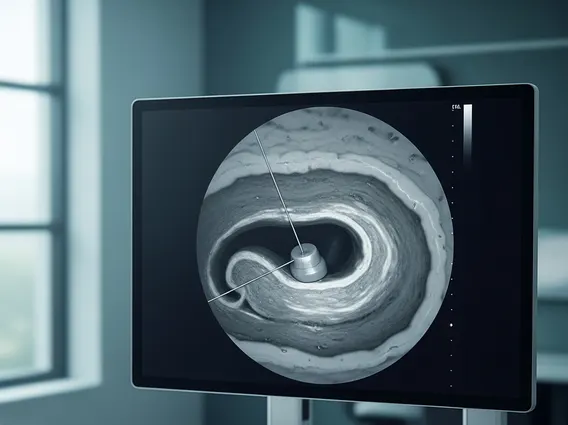
The diagnosis of PCOS involves a comprehensive evaluation, as there is no single test for the condition. Healthcare providers typically consider a patient’s medical history, conduct a physical examination, and order blood tests. The diagnostic criteria often involve at least two of the following: irregular periods, signs of excess androgen (either clinical or biochemical), and polycystic ovaries visible on an ultrasound. Blood tests help measure hormone levels, such as androgens, luteinizing hormone (LH), follicle-stimulating hormone (FSH), and insulin, to rule out other conditions and confirm the diagnosis. This thorough approach ensures accurate PCOS diagnosis and treatment options can be tailored effectively.
Common symptoms that may indicate PCOS include:
- Irregular or absent menstrual periods
- Excess body or facial hair (hirsutism)
- Acne, often severe or persistent
- Thinning hair on the scalp or male-pattern baldness
- Weight gain, especially around the waist
- Difficulty conceiving due to irregular ovulation
- Skin darkening (acanthosis nigricans) or skin tags
PCOS Treatment Options and Lifestyle Management
Managing Polycystic Ovary Syndrome involves a combination of medical treatments and significant lifestyle adjustments aimed at alleviating symptoms and reducing long-term health risks. Medical interventions often include hormonal birth control pills to regulate menstrual cycles, reduce androgen levels, and clear acne. For those with insulin resistance, metformin may be prescribed to improve insulin sensitivity and help manage blood sugar levels. Anti-androgen medications can help reduce excessive hair growth and acne. Fertility treatments, such as ovulation-inducing medications, are available for women with PCOS who are trying to conceive.
Beyond medication, PCOS diet and lifestyle changes are fundamental to effective management. Adopting a balanced diet, rich in whole grains, lean proteins, fruits, and vegetables, while limiting processed foods, refined carbohydrates, and sugary drinks, can significantly improve insulin sensitivity and aid in weight management. Regular physical activity, such as moderate-intensity exercise for at least 30 minutes most days of the week, also plays a crucial role in reducing insulin resistance, improving mood, and helping with weight control. Even a modest weight loss of 5-10% can lead to significant improvements in symptoms, including regularization of menstrual cycles and enhanced fertility. Stress management techniques and adequate sleep are also important for overall hormonal balance and well-being.