Polychlorinated Biphenyl
Polychlorinated Biphenyls are a group of synthetic organic chemicals that were widely used in various industrial and commercial applications due to their non-flammability, chemical stability, high boiling point, and electrical insulating properties. Despite their utility, their persistent nature and significant health and environmental impacts led to their global ban.

Key Takeaways
- Polychlorinated Biphenyls (PCBs) are persistent organic pollutants once used in industrial applications, now globally banned due to their toxicity.
- Exposure to PCBs can occur through contaminated food, water, and air, posing significant polychlorinated biphenyl health risks including cancer, immune system dysfunction, and developmental issues.
- The environmental effects of PCBs are severe, as they persist in ecosystems, bioaccumulate in the food chain, and harm wildlife.
- Major sources of polychlorinated biphenyls in the environment stem from past industrial releases, improper disposal, and leaks from old equipment.
- Global efforts are underway to manage and eliminate existing PCB contamination to protect public health and the environment.
What Are Polychlorinated Biphenyls (PCBs)?
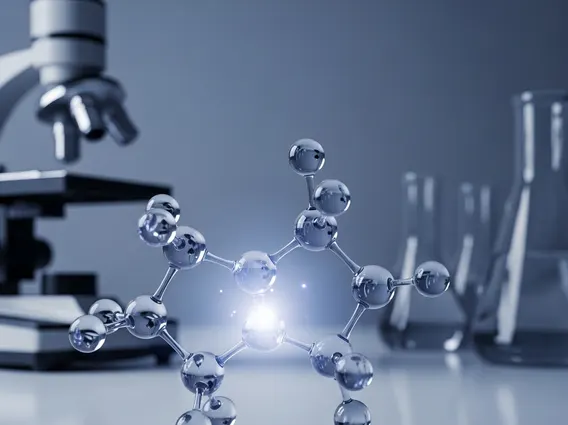
Polychlorinated Biphenyls (PCBs) refer to a class of man-made organic chemicals containing chlorine atoms attached to biphenyl. These compounds were manufactured from 1929 until their production was banned in the United States in 1979 due to growing concerns about their toxicity and environmental persistence. Globally, the Stockholm Convention on Persistent Organic Pollutants, adopted in 2001, also calls for the elimination of PCBs. They were valued for their excellent dielectric properties, chemical stability, and resistance to degradation, making them ideal for use in electrical equipment like transformers and capacitors, as well as in hydraulic fluids, plasticizers, and flame retardants.
PCBs are known as persistent organic pollutants (POPs) because they do not break down easily in the environment and can travel long distances through air and water. There are 209 different types of PCBs, known as congeners, each with a varying number and position of chlorine atoms. Their persistence means they can remain in the environment for decades, posing long-term risks to human health and ecosystems.
Health Effects and Exposure to PCBs
Exposure to Polychlorinated Biphenyls can occur through various pathways, primarily through the consumption of contaminated food, particularly fatty fish, meat, and dairy products, where PCBs accumulate in animal fats. Inhalation of contaminated air and direct skin contact with PCB-containing materials are also potential routes of exposure. Once in the body, PCBs tend to accumulate in fatty tissues and can persist for many years.
The polychlorinated biphenyl health risks are diverse and depend on the level and duration of exposure. According to the U.S. Environmental Protection Agency (EPA), PCBs are probable human carcinogens, linked to an increased risk of liver cancer and malignant melanoma. Beyond cancer, PCBs have been associated with a range of adverse health effects, including:
- Immune System Dysfunction: Leading to reduced resistance to infections.
- Reproductive and Developmental Effects: Such as reduced birth weight, developmental delays, and altered immune function in children exposed prenatally.
- Neurological Effects: Including cognitive and behavioral problems.
- Endocrine Disruption: Affecting thyroid hormone levels and other hormonal systems.
- Liver Damage: Causing enzyme induction and other hepatic issues.
Studies have shown that even low-level, long-term exposure can lead to subtle but significant health impacts. For instance, the World Health Organization (WHO) highlights that PCBs can affect neurodevelopment in children, even at exposure levels below those causing overt clinical symptoms.
Environmental Impact of Polychlorinated Biphenyls
The environmental effects of PCBs are profound and widespread due to their persistence, bioaccumulation, and biomagnification properties. Once released into the environment, PCBs do not readily degrade and can cycle between air, water, and soil. This allows them to travel globally, contaminating remote areas far from their original release points. They accumulate in the fatty tissues of organisms, with concentrations increasing up the food chain, a process known as biomagnification.
The primary sources of polychlorinated biphenyls in the environment today are largely historical, stemming from:
| Source Category | Description |
|---|---|
| Legacy Equipment | Leaks from old electrical transformers, capacitors, and other equipment still in use or improperly stored. |
| Waste Disposal | Improper disposal of PCB-containing waste in landfills or uncontrolled dumpsites. |
| Industrial Releases | Past discharges from manufacturing facilities into waterways and air, which continue to cycle in the environment. |
| Building Materials | PCBs found in sealants, paints, and other building materials in older structures, which can leach into the environment. |
Wildlife, particularly top predators such as eagles, polar bears, and marine mammals, are highly susceptible to PCB accumulation, leading to reproductive failures, immune system suppression, and developmental abnormalities. For example, studies on marine mammals have linked high PCB levels to reduced population viability and increased susceptibility to disease. Efforts to remediate contaminated sites and safely dispose of existing PCB-containing materials are critical for mitigating these ongoing environmental threats.