Poikiloderma Congenitale
Poikiloderma Congenitale is a rare genetic skin disorder characterized by a distinctive combination of skin atrophy, telangiectasias (spider veins), and pigmentary changes. This condition often presents in infancy or early childhood and can be associated with various systemic abnormalities.
Key Takeaways
- Poikiloderma Congenitale is a rare, inherited skin condition marked by a triad of skin atrophy, telangiectasias, and pigmentary changes.
- It often manifests in early childhood and can be linked to specific genetic mutations, such as those seen in Rothmund-Thomson syndrome.
- Beyond skin manifestations, individuals may experience other symptoms affecting hair, nails, eyes, and bones, and may have an increased risk of certain cancers.
- Diagnosis typically involves clinical evaluation and genetic testing to identify underlying causes.
- Treatment focuses on managing symptoms and monitoring for associated health issues, as there is currently no cure.
What is Poikiloderma Congenitale?
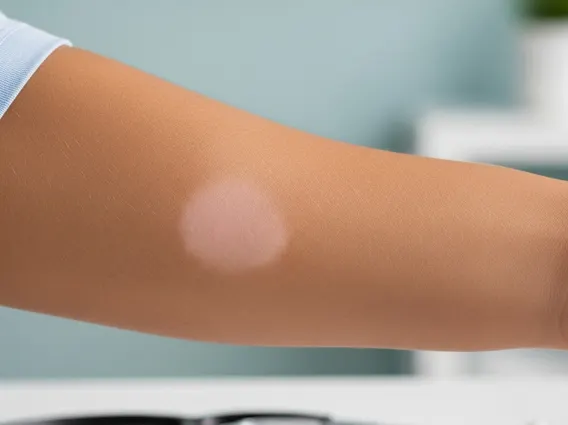
Poikiloderma Congenitale refers to a rare inherited genodermatosis characterized by a unique constellation of skin findings. These include skin atrophy (thinning of the skin), telangiectasias (visible small blood vessels), and dyspigmentation (areas of both hyperpigmentation and hypopigmentation). The condition typically becomes apparent during infancy or early childhood, often affecting sun-exposed areas like the face, neck, and extremities. It is frequently associated with Rothmund-Thomson syndrome (RTS), a rare autosomal recessive disorder, where the skin changes are a prominent feature alongside other systemic manifestations. The exact prevalence is not widely reported, but as a component of RTS, it is considered extremely rare, with an estimated incidence of less than 1 in a million births globally, according to the National Organization for Rare Disorders (NORD).
Symptoms and Causes of Poikiloderma Congenitale
The primary Poikiloderma Congenitale symptoms are dermatological, involving the characteristic skin changes described above. However, the condition can also affect other body systems. These symptoms often progress over time and can vary in severity among affected individuals. Beyond the skin, common associated features can include:
- Skeletal abnormalities: Bone defects, short stature, and radial ray defects (abnormalities of the thumb and forearm bones).
- Ocular issues: Juvenile cataracts, which can develop early in life and impair vision.
- Dental anomalies: Small or missing teeth, or other structural dental issues.
- Hair and nail dystrophy: Sparse hair (hypotrichosis), particularly on the scalp, eyebrows, and eyelashes, and brittle or dystrophic nails.
- Increased cancer risk: Individuals with Poikiloderma Congenitale, especially those with RTS, have a higher predisposition to certain cancers, including osteosarcoma and squamous cell carcinoma.
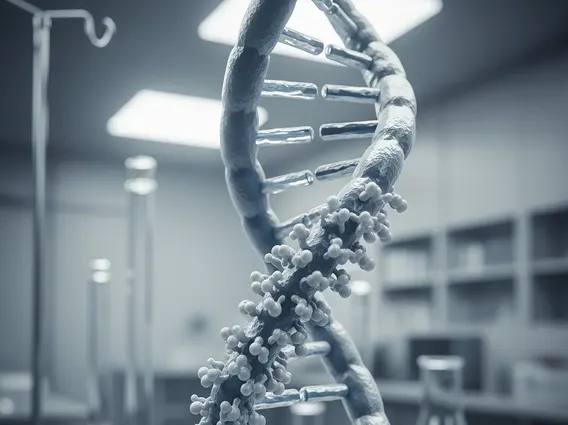
The underlying causes of Poikiloderma Congenitale are genetic. It is primarily inherited in an autosomal recessive pattern, meaning an individual must inherit two copies of a mutated gene (one from each parent) to develop the condition. In many cases, particularly when associated with Rothmund-Thomson syndrome, mutations in the RECQL4 gene are responsible. This gene provides instructions for making a protein involved in DNA repair and replication, and its dysfunction can lead to genomic instability, contributing to the diverse clinical manifestations of the syndrome. Other genetic mutations may also be implicated in cases not directly linked to RTS, highlighting the genetic heterogeneity of poikiloderma.
Poikiloderma Congenitale Treatment Options
Currently, there is no cure for Poikiloderma Congenitale treatment, and management primarily focuses on alleviating symptoms, preventing complications, and monitoring for associated health issues. Given its genetic basis, treatment strategies are largely supportive and individualized based on the specific symptoms and their severity. Key aspects of managing the condition include:
- Sun protection: Strict avoidance of sun exposure and consistent use of high-SPF sunscreens are crucial to prevent exacerbation of skin changes and reduce the risk of skin cancer.
- Dermatological care: Emollients and moisturizers can help manage skin dryness. Laser therapy, such as pulsed dye laser, may be used to reduce the appearance of telangiectasias, improving cosmetic outcomes.
- Ophthalmological monitoring: Regular eye examinations are essential to detect and manage juvenile cataracts, which may require surgical intervention.
- Cancer surveillance: Due to the increased risk of certain cancers, ongoing screening for osteosarcoma and skin cancers is vital. This may involve regular physical examinations, imaging studies, and dermatological checks.
- Genetic counseling: Families affected by Poikiloderma Congenitale can benefit from genetic counseling to understand the inheritance pattern, recurrence risks, and implications for family planning.
- Multidisciplinary approach: Management often requires a team of specialists, including dermatologists, geneticists, ophthalmologists, orthopedists, and oncologists, to address the diverse aspects of the condition comprehensively.
While some complementary therapies may offer symptomatic relief for general skin care, it is important to note that such information is supportive only and does not replace professional medical diagnosis or treatment for Poikiloderma Congenitale.