Platinum
Platinum refers to a crucial class of heavy metal compounds widely utilized in medical treatments, primarily as potent chemotherapy agents. These compounds play a vital role in the fight against various cancers, significantly impacting patient outcomes and survival rates.
Key Takeaways
- Platinum-based drugs are a cornerstone of modern chemotherapy, essential for treating various cancers.
- These agents exert their therapeutic effect by damaging the DNA of cancer cells, thereby inhibiting their replication and promoting cell death.
- The accidental discovery of cisplatin in the 1960s marked a pivotal moment, leading to the development of this important class of anticancer drugs.
- They are highly effective against specific malignancies, including testicular, ovarian, lung, and colorectal cancers.
- While effective, Platinum-based therapies require careful management of potential side effects through supportive care.
What is Platinum: Definition and Elemental Properties
Platinum, in a medical context, refers to a group of platinum-containing coordination compounds used as antineoplastic (anticancer) agents. These drugs are characterized by a central platinum atom bonded to various ligands, which dictates their specific pharmacological properties and clinical applications. The unique chemical structure allows them to interact with biological molecules, particularly DNA, within cancer cells.
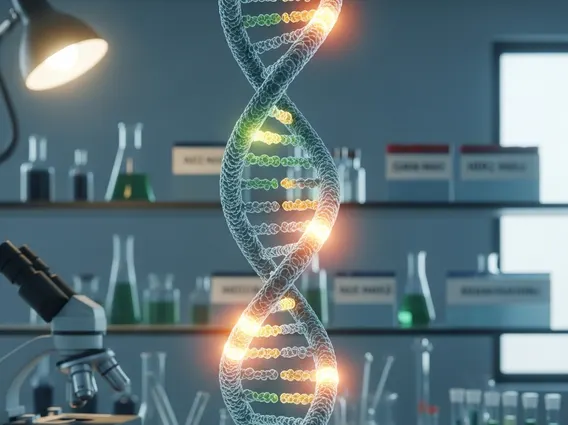
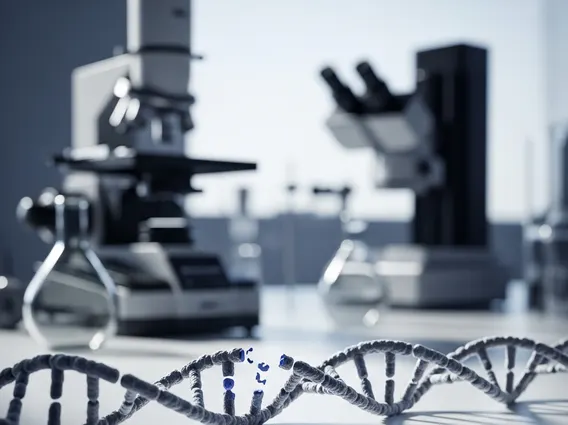
The therapeutic efficacy of platinum-based drugs stems from their ability to form covalent bonds with DNA, creating adducts that distort the DNA helix. This damage interferes with DNA replication and transcription, ultimately triggering programmed cell death (apoptosis) in rapidly dividing cancer cells. The “elemental properties” of platinum, specifically its ability to form stable coordination complexes and its reactivity with nucleophilic sites on DNA, are fundamental to this mechanism of action. Key platinum-based drugs include:
- Cisplatin: Often used for testicular, ovarian, bladder, head and neck, and lung cancers.
- Carboplatin: A less toxic alternative to cisplatin, commonly used for ovarian, lung, and head and neck cancers.
- Oxaliplatin: Primarily used in the treatment of colorectal cancer, often in combination with other agents.
Discovery and Historical Significance of Platinum
The “platinum discovery and history” in medicine began with an accidental observation in the 1960s. Barnett Rosenberg and his colleagues at Michigan State University discovered the potent antitumor activity of cisplatin while studying the effects of an electric field on bacterial growth. They noticed that platinum electrodes, in the presence of ammonium chloride, produced a platinum compound that inhibited bacterial cell division.
This serendipitous finding led to extensive research, revealing that the compound, later identified as cisplatin, possessed remarkable anticancer properties in various animal models. Its subsequent clinical development and approval marked a significant milestone in oncology, introducing a new class of highly effective chemotherapy agents. The success of cisplatin paved the way for the synthesis and development of other platinum-based drugs, fundamentally changing the landscape of cancer treatment and offering new hope for patients with previously untreatable malignancies.
Applications of Platinum in Industry and Medicine
While the elemental platinum metal has various industrial applications, the “uses of platinum in industry” as a medical term specifically refers to the widespread clinical applications of platinum-based drugs in oncology. These agents are indispensable in the multidisciplinary management of numerous solid tumors. They are frequently used as first-line therapy, in combination regimens, or as adjuvant treatment following surgery or radiation.
Platinum-based chemotherapy has been particularly transformative in the treatment of testicular cancer, achieving cure rates exceeding 90% in many cases, a significant improvement from historical outcomes. (Source: National Cancer Institute). Beyond testicular cancer, these drugs are crucial for:
- Ovarian cancer: Often used in combination with taxanes.
- Lung cancer: A standard component of treatment for both small cell and non-small cell lung cancer.
- Colorectal cancer: Oxaliplatin is a key drug in regimens for advanced disease.
- Bladder cancer: Used for invasive and metastatic forms.
- Head and neck cancers: Integrated into treatment protocols, often with radiation.
The administration of platinum-based drugs requires careful monitoring due to potential side effects, which can include nephrotoxicity, neurotoxicity, ototoxicity, and myelosuppression. However, advancements in supportive care have significantly improved the tolerability and safety profile of these life-saving treatments, allowing more patients to benefit from their potent anticancer effects.