Platinol
Platinol is a potent chemotherapy medication widely used in the treatment of various cancers. As a platinum-based compound, it plays a crucial role in oncology by interfering with cancer cell growth and division.
Key Takeaways
- Platinol, also known as cisplatin, is a platinum-based chemotherapy drug.
- It works by forming cross-links in cancer cell DNA, preventing replication and leading to cell death.
- Platinol is primarily used to treat a range of solid tumors, including testicular, ovarian, and bladder cancers.
- Administration is typically via intravenous infusion, with dosage tailored to the patient and cancer type.
- Common side effects include nausea, vomiting, and fatigue, while serious risks involve kidney damage, hearing loss, and nerve issues.
What is Platinol and How It Works
Platinol refers to cisplatin, a cornerstone platinum-based chemotherapy agent used in the treatment of various malignancies. As a cytotoxic drug, it is designed to kill rapidly dividing cells, a characteristic feature of cancer cells. The comprehensive Platinol drug information highlights its classification as an alkylating-like agent, despite not being a true alkylating agent, due to its similar mechanism of action.
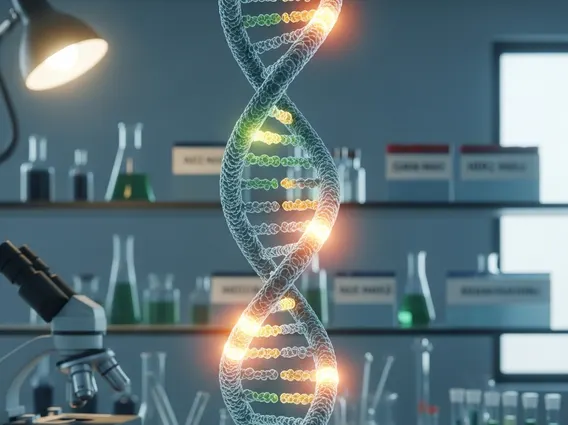
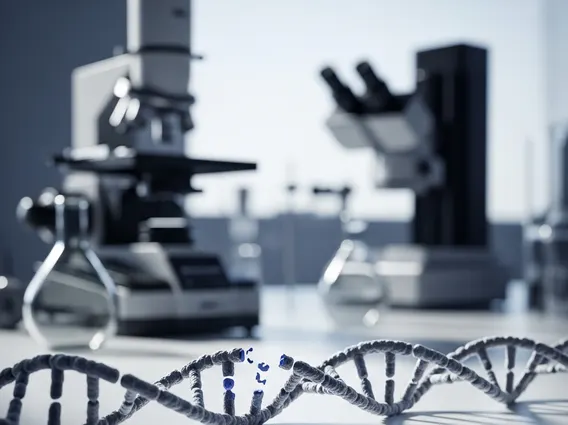
The mechanism of action, addressing how Platinol works, involves its active metabolites binding to DNA within cancer cells. This binding leads to the formation of intra-strand and inter-strand DNA cross-links, which distort the DNA structure. These distortions prevent DNA replication and transcription, ultimately triggering programmed cell death (apoptosis) in the cancerous cells. This targeted disruption of cellular processes makes Platinol an effective weapon against several types of cancer.
What is Platinol Used For and Administration
Addressing what is Platinol used for, this medication is indicated for the treatment of a broad spectrum of solid tumors. Its primary applications include advanced testicular cancer, ovarian cancer, and bladder cancer. It is also utilized in combination therapies for head and neck cancer, non-small cell lung cancer, and cervical cancer, among others. The versatility of Platinol makes it a vital component in many multi-drug chemotherapy regimens.
Administration of Platinol is exclusively via intravenous (IV) infusion, typically over several hours, to minimize potential side effects and ensure proper distribution throughout the body. The specific dosage and frequency depend on several factors, including the type and stage of cancer, the patient’s overall health, kidney function, and whether it is used as a single agent or in combination with other chemotherapy drugs. Close monitoring by healthcare professionals is essential during and after administration to manage potential toxicities.
Platinol Side Effects and Important Warnings
Like many potent chemotherapy agents, Platinol can cause a range of Platinol side effects, some of which can be significant. Patients undergoing treatment are closely monitored for these adverse reactions. Common side effects often include:
- Nausea and vomiting (often severe, requiring antiemetic medication)
- Fatigue and weakness
- Loss of appetite
- Hair thinning or loss (alopecia)
- Mouth sores (mucositis)
More serious and potentially irreversible side effects include nephrotoxicity (kidney damage), ototoxicity (hearing loss, including tinnitus), and neurotoxicity (nerve damage, leading to peripheral neuropathy). Myelosuppression, a decrease in bone marrow activity resulting in low blood cell counts, is also a significant concern, increasing the risk of infection, anemia, and bleeding. Due to these risks, patients receive extensive hydration before and after Platinol administration to protect kidney function, and regular blood tests are performed to monitor organ function and blood counts throughout the treatment course.