Plant Sterol
Plant Sterol refers to a group of naturally occurring compounds found in plants that share a structural similarity with cholesterol. These compounds, also known as phytosterols, are recognized for their potential health benefits, particularly in supporting cardiovascular health.
Key Takeaways
- Plant Sterol (phytosterols) are plant compounds structurally similar to cholesterol.
- Their primary benefit is the reduction of LDL (“bad”) cholesterol levels.
- They work by competing with dietary cholesterol for absorption in the digestive tract.
- Common sources include nuts, seeds, vegetable oils, whole grains, and fortified foods.
- Regular consumption can contribute to a heart-healthy diet.
What is Plant Sterol?
Plant Sterol is a collective term for a class of compounds, often referred to as phytosterols, that are integral components of plant cell membranes. These compounds are structurally similar to cholesterol but are synthesized by plants rather than animals. There are several types of plant sterols, including beta-sitosterol, campesterol, and stigmasterol, which are the most common forms found in the human diet. While our bodies do not produce them, they are naturally present in a wide variety of plant-based foods and are consumed daily in small amounts.
The presence of plant sterols in the diet has garnered significant attention due to their physiological effects in the human body. Unlike cholesterol, which can accumulate in arteries and contribute to cardiovascular disease, plant sterols are not readily absorbed by the human digestive system. This limited absorption is key to their health benefits, as they play a role in modulating cholesterol absorption, thereby influencing overall cholesterol levels in the bloodstream.
Benefits of Plant Sterols
The primary and most well-documented benefit of plant sterols is their ability to help lower low-density lipoprotein (LDL) cholesterol, often referred to as “bad” cholesterol. This effect is crucial for maintaining cardiovascular health, as elevated LDL cholesterol is a major risk factor for heart disease. Numerous clinical studies have demonstrated that consuming plant sterols can lead to a significant reduction in LDL cholesterol levels. For instance, the National Institutes of Health (NIH) indicates that consuming 2 grams of plant sterols daily can reduce LDL cholesterol by 5% to 15%.
Beyond cholesterol management, research suggests that plant sterols may offer other health advantages. Some studies indicate potential anti-inflammatory and antioxidant properties, which could contribute to overall well-being. However, the most robust evidence consistently supports their role in cholesterol reduction, making them a valuable dietary component for individuals looking to manage their lipid profiles as part of a heart-healthy lifestyle. It is important to note that while beneficial, plant sterols do not typically affect high-density lipoprotein (HDL) cholesterol, or “good” cholesterol, or triglyceride levels.
How Plant Sterols Work and Where to Find Them
The mechanism by which plant sterols exert their cholesterol-lowering effect is primarily through competitive inhibition of cholesterol absorption in the gut. When plant sterols are consumed, they compete with dietary and biliary cholesterol for incorporation into micelles, which are tiny lipid structures essential for cholesterol absorption into the bloodstream. Because plant sterols have a higher affinity for these micelles than cholesterol, they effectively displace cholesterol, leading to less cholesterol being absorbed and more being excreted from the body. This reduction in cholesterol absorption results in lower LDL cholesterol levels in the blood.
Plant sterols are naturally present in various plant-based foods, though typically in small quantities. To achieve the recommended intake for cholesterol lowering, which is often around 2 grams per day, fortified foods or supplements are commonly used. Here are some sources where you can find plant sterols:
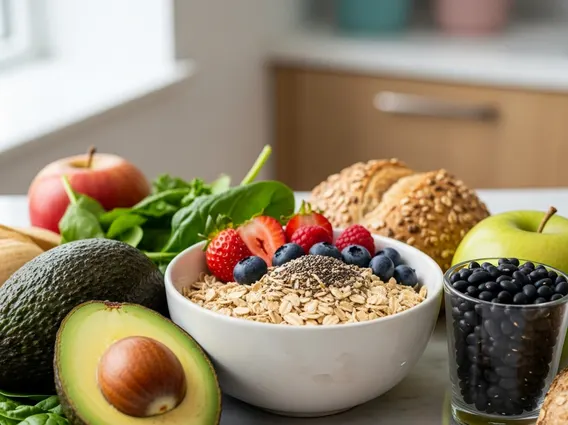
- Vegetable Oils: Corn, soy, sunflower, and canola oils are good natural sources.
- Nuts and Seeds: Almonds, walnuts, sesame seeds, and flaxseeds contain varying amounts.
- Whole Grains: Wheat germ, barley, and brown rice contribute to daily intake.
- Fruits and Vegetables: While lower in concentration, a diet rich in diverse produce adds to the overall intake.
- Fortified Foods: Many margarines, yogurts, milk, orange juice, and cereals are fortified with added plant sterols to help consumers reach therapeutic levels more easily.
Incorporating a variety of these foods into your diet, especially fortified options, can help you achieve the intake necessary to support healthy cholesterol levels. Always consult with a healthcare professional or registered dietitian for personalized dietary advice, especially if you are managing specific health conditions.