
Pineoblastoma
Pineoblastoma is an exceptionally rare and aggressive type of brain tumor that originates in the pineal gland, a small endocrine gland located deep within the brain. This tumor primarily affects children and young adults, presenting significant challenges due to its rapid growth and critical location.
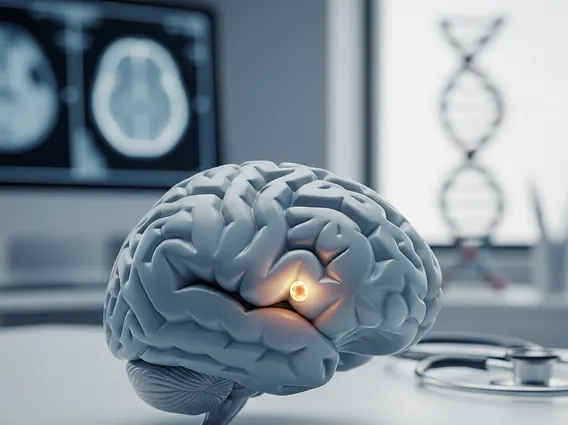
Key Takeaways
- Pineoblastoma is a rare, aggressive brain tumor originating in the pineal gland, predominantly affecting children.
- Symptoms often include headaches, nausea, vomiting, and vision issues due to increased intracranial pressure.
- Diagnosis relies on imaging (MRI) and biopsy, followed by a multi-modal treatment approach.
- Treatment typically involves surgery, radiation therapy, and chemotherapy.
- Prognosis is challenging due to the tumor’s aggressive nature, but advancements in treatment are improving outcomes.
What is Pineoblastoma: Definition and Characteristics
Pineoblastoma refers to a highly malignant brain tumor that arises from the pinealocytes, the primary cells of the pineal gland. This gland is responsible for producing melatonin, a hormone that regulates sleep-wake cycles. Pineoblastomas are classified as primitive neuroectodermal tumors (PNETs) and are characterized by their rapid growth and tendency to spread through the cerebrospinal fluid (CSF) to other parts of the brain and spinal cord, a process known as leptomeningeal dissemination. While rare, accounting for less than 1% of all primary central nervous system tumors, they are among the most common tumors of the pineal region, particularly in pediatric populations. According to the Central Brain Tumor Registry of the United States (CBTRUS), pineoblastomas have an incidence rate of approximately 0.05 per 100,000 person-years across all ages, highlighting their rarity.
Pineoblastoma: Symptoms, Diagnosis, and Treatment Approaches
The clinical presentation of pineoblastoma symptoms diagnosis treatment is often dictated by the tumor’s location, which can obstruct the flow of cerebrospinal fluid, leading to hydrocephalus and increased intracranial pressure. Common symptoms include persistent headaches, nausea, vomiting, and lethargy. Vision problems, such as double vision or difficulty looking upwards (Parinaud’s syndrome), can also occur due to pressure on surrounding brain structures. Diagnosis typically begins with magnetic resonance imaging (MRI) of the brain and spine, which can reveal the tumor’s size, location, and extent of spread. A definitive diagnosis requires a biopsy, often performed during surgical resection, where tissue samples are examined under a microscope. Treatment is complex and usually involves a multi-modal approach:
- Surgical Resection: The primary goal is to remove as much of the tumor as safely possible, which can alleviate symptoms and improve prognosis.
- Radiation Therapy: Often administered to the brain and spinal cord (craniospinal irradiation) to target any remaining tumor cells or microscopic spread.
- Chemotherapy: Used to kill cancer cells, especially in cases where the tumor has spread or cannot be fully removed surgically.
The specific treatment plan is tailored to the individual patient, considering factors such as age, tumor size, and the presence of metastasis.
Causes, Risk Factors, and Prognosis for Pineoblastoma
The exact pineoblastoma causes and risk factors are largely unknown. Most cases occur sporadically without a clear genetic predisposition. However, some studies suggest a potential link to certain genetic syndromes, such as hereditary retinoblastoma, although this association is rare. Environmental factors have not been definitively identified as significant contributors. Research continues to explore the molecular and genetic underpinnings of these tumors to better understand their development and identify potential therapeutic targets. Understanding these factors is crucial for developing more effective prevention and treatment strategies.
The prognosis for pineoblastoma cancer is generally considered poor due to its aggressive nature, high rate of CSF dissemination, and the critical location of the pineal gland. However, advancements in surgical techniques, radiation therapy, and chemotherapy protocols have led to improved outcomes over the past few decades. Factors influencing prognosis include the patient’s age at diagnosis (younger children often face greater challenges), the extent of surgical resection, whether the tumor has spread, and its response to treatment. Long-term survival rates vary, but early diagnosis and aggressive, multi-disciplinary treatment offer the best chance for a positive outcome. Continued follow-up care is essential to monitor for recurrence.



















