Phytosterol
Phytosterols are a group of plant-derived compounds structurally similar to cholesterol. Found naturally in various plant foods, they play a crucial role in plant cell membranes and offer significant health benefits when consumed by humans.
Key Takeaways
- Phytosterol refers to plant compounds structurally similar to cholesterol, found in various plant-based foods.
- They are known primarily for their ability to help lower LDL (“bad”) cholesterol levels by inhibiting its absorption in the gut.
- Regular consumption of phytosterols can contribute to cardiovascular health as part of a balanced diet.
- Rich dietary sources include vegetable oils, nuts, seeds, and legumes, with many foods also being fortified with these compounds.
- Phytosterol supplements are available and can be considered under medical guidance for individuals aiming to manage cholesterol.
What is Phytosterol?
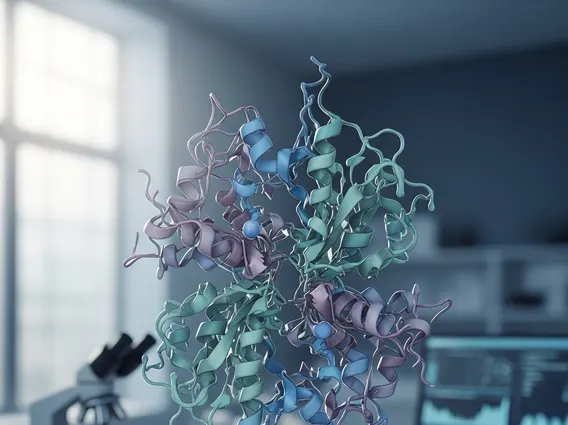
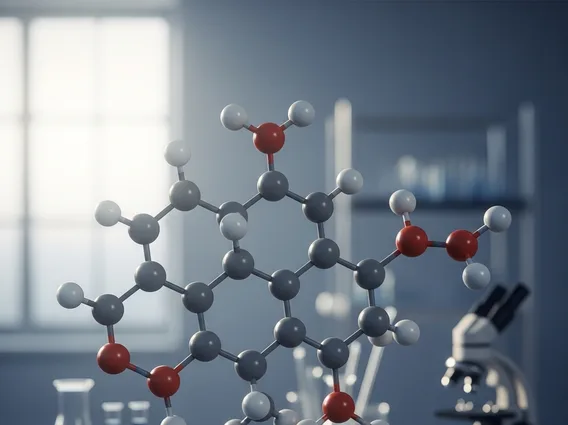
Phytosterol refers to a class of plant compounds that are chemically similar to cholesterol. These sterols and stanols are integral components of plant cell membranes, much like cholesterol is in animal cells. Over 200 different types of phytosterols have been identified, with beta-sitosterol, campesterol, and stigmasterol being among the most common. When consumed by humans, these plant sterols compete with dietary and biliary cholesterol for absorption in the intestine, leading to a reduction in cholesterol uptake into the bloodstream.
Their structural resemblance allows them to occupy the same absorption sites as cholesterol, effectively blocking some of the cholesterol from entering the body. This mechanism makes them particularly valuable for dietary strategies aimed at managing cholesterol levels. Unlike cholesterol, phytosterols are poorly absorbed by the human body, with only a small fraction making it into the bloodstream, where they are then rapidly excreted.
Health Benefits of Phytosterols
The primary and most well-established of the phytosterol health benefits is their ability to lower low-density lipoprotein (LDL) cholesterol levels. Numerous clinical studies have demonstrated that consuming 1.5 to 3 grams of phytosterols daily can reduce LDL cholesterol by 7% to 12%. This effect is significant because elevated LDL cholesterol is a major risk factor for cardiovascular disease. The U.S. Food and Drug Administration (FDA) has recognized the cholesterol-lowering properties of plant sterols and stanols, allowing for health claims on foods containing them, stating that they may reduce the risk of heart disease as part of a diet low in saturated fat and cholesterol.
Beyond cholesterol management, research suggests other potential benefits, though these are less definitively established. Some studies indicate that phytosterols may possess anti-inflammatory and antioxidant properties, which could contribute to overall cardiovascular health and potentially play a role in other chronic conditions. However, more extensive research is needed to fully understand these broader effects and their clinical significance. The main focus remains on their proven efficacy in cholesterol reduction.
Dietary Sources and Supplements of Phytosterols
Foods rich in phytosterols are primarily plant-based. While all plant foods contain some level of phytosterols, certain categories are particularly abundant. These include:
- Vegetable Oils: Corn oil, soybean oil, canola oil, and sunflower oil are excellent sources.
- Nuts and Seeds: Almonds, walnuts, sesame seeds, and flaxseeds provide significant amounts.
- Legumes: Beans, lentils, and peas contain moderate levels.
- Grains: Whole grains like wheat germ and brown rice also contribute to dietary intake.
- Fruits and Vegetables: While generally lower in concentration, a varied intake contributes to overall consumption.
Due to their cholesterol-lowering effects, many food products are fortified with phytosterols. These fortified foods often include margarines, yogurts, milk, orange juice, and cereals, making it easier for individuals to achieve the recommended daily intake for cholesterol reduction. For those who may not consume enough through diet alone or require more targeted intervention, phytosterol supplements explained are also available. These supplements typically come in capsule or tablet form and contain concentrated amounts of plant sterols or stanols.
It is important to consult a healthcare professional before starting any supplement regimen, especially for managing cholesterol or other health conditions. While generally safe, high doses of phytosterols can potentially interfere with the absorption of fat-soluble vitamins, although this is usually not a concern with typical dietary intake or recommended supplement doses. The use of phytosterol supplements should always be part of a comprehensive approach to heart health, including a balanced diet and regular exercise.