
Physical Medicine Specialist
A Physical Medicine Specialist, often known as a physiatrist, is a medical doctor who focuses on restoring function for people with disabilities or injuries. Their expertise lies in diagnosing and treating conditions affecting the brain, spinal cord, nerves, bones, joints, ligaments, muscles, and tendons.
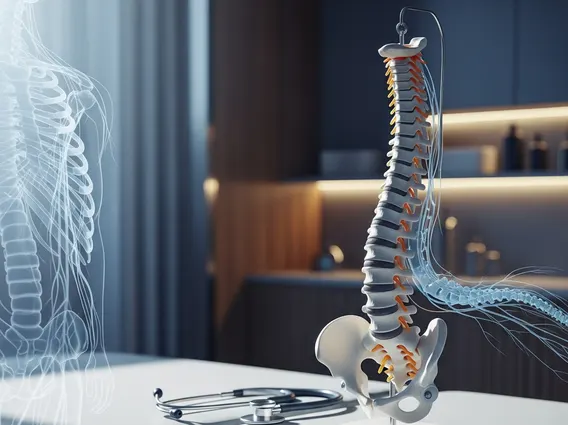
Key Takeaways
- Physical Medicine Specialists, or physiatrists, are medical doctors specializing in rehabilitation and functional restoration.
- They diagnose and treat a wide range of conditions affecting the musculoskeletal and nervous systems.
- Their primary goal is to improve patients’ quality of life and functional abilities without surgery.
- Physiatrists lead multidisciplinary teams, developing comprehensive treatment plans.
- They differ from physical therapists, who are healthcare professionals providing hands-on therapy under a doctor’s guidance.
What is a Physical Medicine Specialist?
A Physical Medicine Specialist, also commonly referred to as a physiatrist, is a physician who has completed medical school and specialized training in physical medicine and rehabilitation (PM&R). These doctors focus on restoring function and improving the quality of life for individuals who have experienced an injury, illness, or chronic condition affecting their movement and daily activities. Their approach is holistic, addressing the patient’s physical, emotional, and vocational needs. Unlike many medical specialists who focus on a specific body part or system, physiatrists treat the whole person, aiming to enhance performance and manage pain non-surgically. They possess a deep understanding of the biomechanics of the body and the complex interplay between the nervous and musculoskeletal systems, enabling them to devise comprehensive, individualized treatment strategies.
Role and Scope of a Physical Medicine Specialist
The role of a physical medicine and rehabilitation doctor is extensive, encompassing diagnosis, treatment, and management of various conditions. They are experts in the musculoskeletal and nervous systems, treating patients of all ages, from infants to the elderly. Their primary objective is to maximize function, reduce pain, and improve the overall quality of life for individuals with disabilities or impairments.
The physical medicine specialist job responsibilities typically include:
- Diagnosing and treating acute and chronic pain conditions, such as back pain, neck pain, and neuropathic pain.
- Managing musculoskeletal injuries, including sports injuries, work-related injuries, and degenerative joint conditions.
- Providing comprehensive rehabilitation for conditions like stroke, spinal cord injury, traumatic brain injury, and multiple sclerosis.
- Prescribing and managing therapies, medications, and assistive devices (e.g., braces, prosthetics).
- Performing electrodiagnostic studies (EMG/NCS) to diagnose nerve and muscle disorders.
- Coordinating care with other medical specialists, physical therapists, occupational therapists, and speech therapists.
Physiatrists often lead multidisciplinary teams, developing individualized treatment plans that may include medication management, therapeutic injections, physical therapy, occupational therapy, and lifestyle modifications. Their non-surgical approach emphasizes conservative management to help patients regain independence and return to their daily activities.
Physiatrist vs. Physical Therapist: Understanding the Differences
The distinction between a physiatrist and a physical therapist is crucial for understanding their respective roles in patient care. While both professions are dedicated to improving patient function and mobility, their training, scope of practice, and responsibilities differ significantly. The comparison of physiatrist vs physical therapist explained below highlights these key differences.
| Aspect | Physiatrist (Physical Medicine Specialist) | Physical Therapist |
|---|---|---|
| Education | Medical doctor (MD or DO) with 4 years of medical school + 4 years of residency in PM&R. | Doctor of Physical Therapy (DPT) degree, typically 3 years post-baccalaureate. |
| Role | Physician who diagnoses conditions, prescribes medication, performs injections, orders tests, and leads rehabilitation teams. | Healthcare professional who provides hands-on therapy, exercises, and modalities to improve movement, reduce pain, and restore function. |
| Scope of Practice | Medical diagnosis, treatment planning, medication management, interventional procedures, overall medical management of rehabilitation. | Implementation of treatment plans, therapeutic exercises, manual therapy, gait training, patient education, and functional training. |
| Prescribing Authority | Yes, can prescribe medications, order imaging, and refer to other specialists. | No, cannot prescribe medications or order diagnostic imaging independently (though some states allow direct access for PT evaluation). |
In essence, a physiatrist is a medical doctor who diagnoses and medically manages conditions, often serving as the “captain” of the rehabilitation team. A physical therapist, on the other hand, is a highly trained practitioner who executes the prescribed therapeutic interventions, working directly with patients to improve their physical capabilities. They frequently collaborate closely to ensure comprehensive and effective patient care.



















