Phts
Phts refers to a complex medical condition characterized by specific physiological changes that can impact various bodily systems. Understanding its nature, causes, and management is crucial for effective clinical intervention and patient care.

Key Takeaways
- Phts is a medical condition with distinct characteristics affecting multiple physiological processes.
- Its development is often linked to a combination of genetic predispositions and environmental factors.
- Diagnosis typically involves a thorough clinical evaluation, laboratory tests, and imaging studies.
- Management strategies for Phts focus on alleviating symptoms, addressing underlying causes, and improving patient quality of life.
- Early detection and comprehensive care are vital for optimizing outcomes in individuals with Phts.
What is Phts?
The term Phts meaning and definition describes a medical condition that involves a specific set of pathological processes within the body. While the exact manifestation can vary, Phts is generally understood as a syndrome or disorder affecting particular organ systems or metabolic pathways. Phts explained involves detailing its core features, which often include chronic inflammation, cellular dysfunction, or structural abnormalities. This condition can present with a wide range of symptoms, making accurate diagnosis essential for appropriate treatment. To learn about Phts, one must consider its multi-faceted nature, which often requires a holistic approach to understanding its impact on patient health.
Globally, the prevalence of conditions similar to Phts can vary significantly based on geographic region and demographic factors. For instance, certain chronic inflammatory conditions, which share characteristics with Phts, affect approximately 5-7% of the adult population worldwide, according to data from the World Health Organization (WHO).
Causes and Clinical Manifestations of Phts
The etiology of Phts is often multifactorial, encompassing a combination of genetic, environmental, and lifestyle influences. Genetic predispositions can play a significant role, with certain gene mutations or polymorphisms increasing an individual’s susceptibility to developing the condition. Environmental triggers, such as exposure to specific toxins, infectious agents, or dietary factors, may also contribute to the onset and progression of Phts. Furthermore, an individual’s immune system response and metabolic health are often implicated in the underlying mechanisms of the condition.
Clinical manifestations of Phts are diverse and depend on the specific systems affected. Common signs and symptoms can include:
- Persistent fatigue and malaise, often disproportionate to activity levels.
- Chronic pain, which may be localized or widespread, affecting joints, muscles, or internal organs.
- Gastrointestinal disturbances, such as abdominal pain, bloating, or altered bowel habits.
- Neurological symptoms, including cognitive impairment (e.g., “brain fog”), headaches, or paresthesias.
- Dermatological changes, such as rashes, skin lesions, or unusual sensitivity.
- Systemic inflammation, indicated by elevated inflammatory markers in blood tests.
The severity and combination of these symptoms can vary greatly among individuals, making the clinical picture of Phts highly heterogeneous. Understanding these varied presentations is critical for both diagnosis and personalized management.
Diagnosis and Management of Phts
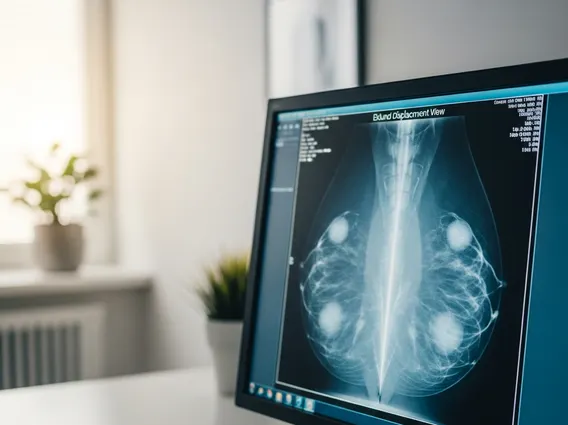
Diagnosing Phts typically involves a comprehensive approach that integrates clinical assessment, laboratory investigations, and sometimes imaging studies. A detailed medical history and physical examination are the initial steps, allowing clinicians to identify characteristic symptoms and signs. Laboratory tests may include blood work to assess inflammatory markers, organ function, and specific biomarkers associated with the condition. Advanced diagnostic tools, such as specialized imaging (e.g., MRI, CT scans) or biopsies, might be utilized to confirm the diagnosis and evaluate the extent of organ involvement.
Management strategies for Phts are primarily aimed at alleviating symptoms, addressing underlying pathological processes, and improving the patient’s overall quality of life. Treatment plans are often individualized, taking into account the specific manifestations and severity of the condition. These may include pharmacological interventions to manage pain, inflammation, or immune responses. Lifestyle modifications, such as dietary adjustments, regular physical activity, and stress management techniques, are also frequently recommended as supportive measures. In some cases, specialized therapies or rehabilitative programs may be necessary to address specific functional impairments. Regular monitoring and follow-up are essential to track disease progression and adjust treatment as needed, ensuring the most effective care for individuals living with Phts.