Photofrin
Photofrin is a photosensitizing agent used in photodynamic therapy (PDT), a medical procedure that combines a drug with light to treat certain types of cancer and other conditions. Its application involves a precise interaction between the drug, specific light wavelengths, and oxygen to destroy target cells.

Key Takeaways
- Photofrin is a photosensitizing drug utilized in photodynamic therapy (PDT).
- It is primarily used to treat certain cancers, such as esophageal cancer and non-small cell lung cancer, and some non-cancerous conditions.
- The drug works by accumulating in cancerous cells and, when activated by specific light, produces reactive oxygen species that destroy these cells.
- Common side effects include photosensitivity, requiring patients to avoid direct sunlight for an extended period.
- Photofrin drug information emphasizes its role as a targeted therapy with a distinct mechanism of action.
What is Photofrin?
Photofrin is a photosensitizer, a light-activated drug used in a therapeutic approach known as photodynamic therapy (PDT). It is derived from a purified mixture of porphyrins, which are naturally occurring compounds. When administered, Photofrin selectively accumulates in rapidly proliferating cells, such as those found in tumors, more so than in healthy tissues. This selective uptake is crucial for its targeted therapeutic effect, minimizing damage to surrounding healthy cells.
The drug remains inactive until it is exposed to light of a specific wavelength, typically delivered by a laser. This activation triggers a photochemical reaction that is central to its mechanism of action, making it a valuable tool in oncology and other medical fields.
What is Photofrin Used For?
Photofrin is primarily used in photodynamic therapy (PDT) for the treatment of various cancers and certain non-malignant conditions. The principle behind its use is to deliver the drug to the target tissue and then activate it with light, leading to localized cell destruction. The specific applications for which Photofrin is used for include:
- Obstructing esophageal cancer, to relieve symptoms like difficulty swallowing.
- Early-stage non-small cell lung cancer, particularly in patients who are not candidates for surgery.
- High-grade dysplasia in Barrett’s esophagus, a precancerous condition.
- Endobronchial non-small cell lung cancer, for microinvasive or superficial lesions.
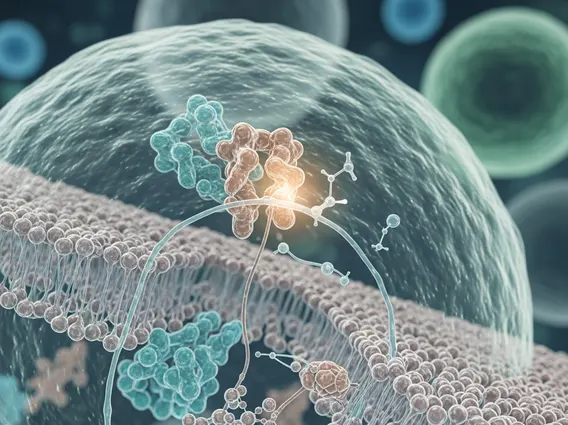
The Photofrin mechanism of action involves several steps. After intravenous administration, Photofrin circulates throughout the body and preferentially accumulates in tumor cells. Once sufficient accumulation has occurred, a specific wavelength of non-thermal laser light (typically 630 nm) is delivered to the target tissue. This light excites the Photofrin molecules, causing them to transfer energy to molecular oxygen within the cells. This energy transfer generates highly reactive oxygen species, such as singlet oxygen, which are toxic to cells. These reactive oxygen species then damage cellular components, including membranes, mitochondria, and DNA, ultimately leading to cell death through apoptosis and necrosis. Additionally, PDT with Photofrin can damage tumor vasculature, further contributing to tumor destruction by cutting off its blood supply, and can also stimulate an immune response against the tumor.
Regarding Photofrin drug information, it is administered intravenously and requires careful management of light exposure. Patients must be protected from direct sunlight and bright indoor light for several weeks after treatment due to the drug’s photosensitizing properties. The precise timing between drug administration and light delivery is critical for optimal therapeutic effect and minimizing side effects.
Photofrin Side Effects
While Photofrin is a targeted therapy, it can cause various side effects, primarily due to its photosensitizing nature. The most significant of the Photofrin side effects is generalized photosensitivity. Patients treated with Photofrin become highly sensitive to light, including sunlight and bright indoor light, for an extended period, typically several weeks to months after treatment. During this time, exposure to light can cause severe sunburn-like reactions, including redness, swelling, and blistering of the skin.
Other common side effects can vary depending on the treatment area. For esophageal or lung applications, patients might experience:
- Pain or discomfort at the treatment site.
- Swelling or inflammation of the treated tissue.
- Difficulty swallowing (dysphagia) or breathing (dyspnea), which may be temporary.
- Nausea, vomiting, or abdominal pain.
- Fever or chills.
It is crucial for patients undergoing Photofrin PDT to receive detailed instructions on managing photosensitivity, including wearing protective clothing, wide-brimmed hats, and sunglasses, and avoiding direct sun exposure. Regular follow-up with the healthcare provider is essential to monitor for side effects and assess treatment efficacy.