
Photodynamic Therapy
Photodynamic Therapy (PDT) is an innovative medical procedure that utilizes a light-sensitive drug and a specific light source to treat various medical conditions, primarily certain cancers and skin diseases. This treatment offers a targeted approach to destroy abnormal cells while minimizing damage to surrounding healthy tissue.
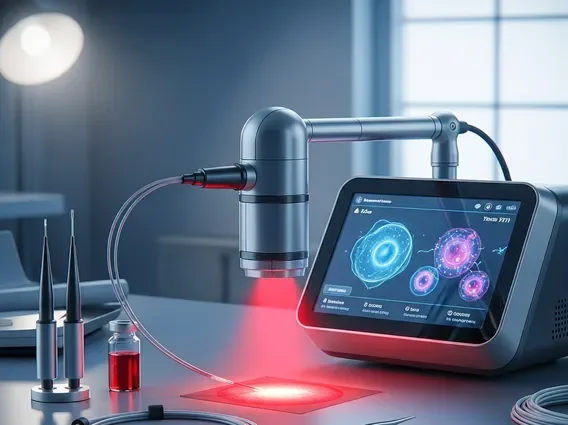
Key Takeaways
- Photodynamic Therapy (PDT) combines a photosensitizing drug with light to selectively destroy diseased cells.
- The treatment is effective for various conditions, including certain skin cancers, precancerous lesions, and some internal cancers.
- The process involves drug administration, followed by light activation, which generates toxic oxygen species within target cells.
- Benefits include its minimally invasive nature, targeted action, and often favorable cosmetic outcomes.
- Common side effects are temporary photosensitivity and localized skin reactions, requiring careful post-treatment sun protection.
What is Photodynamic Therapy (PDT)?
Photodynamic Therapy (PDT) is a two-stage medical treatment that employs a photosensitizing agent and a specific wavelength of light to selectively destroy abnormal cells. This therapy is primarily utilized in oncology and dermatology to address certain cancers, precancerous conditions, and some non-cancerous diseases. The fundamental principle of PDT involves the preferential accumulation of the photosensitizer within target cells, rendering them vulnerable to destruction upon exposure to light of a particular wavelength.
Photodynamic Therapy: Process and Clinical Uses
The mechanism of how photodynamic therapy works involves a precise, multi-step process. Initially, a photosensitizing drug is administered to the patient, either topically, orally, or intravenously. This drug is specifically designed to be absorbed more readily by rapidly growing, abnormal cells than by healthy cells. Following a predetermined waiting period, which allows the drug to accumulate in the target tissues and clear from normal tissues, the affected area is exposed to a specialized light source. This light, often delivered by a laser or light-emitting diode (LED), activates the photosensitizer. Upon activation, the drug produces reactive oxygen species, such as singlet oxygen, which are toxic to the treated cells. This process leads to cell damage and destruction, while aiming to minimize harm to surrounding healthy tissue.
Photodynamic therapy uses benefits encompass a broad spectrum of medical conditions. Its applications include:
- Actinic keratosis (common precancerous skin lesions)
- Certain non-melanoma skin cancers (e.g., basal cell carcinoma, squamous cell carcinoma in situ)
- Barrett’s esophagus (a precancerous condition of the esophagus)
- Some forms of esophageal and lung cancer
The benefits of PDT are significant, including its minimally invasive nature, the ability to precisely target diseased tissue, and often, excellent cosmetic outcomes, particularly for skin conditions. For instance, the American Academy of Dermatology recognizes PDT as an effective treatment for actinic keratosis, reporting high clearance rates for these lesions.
Potential Side Effects of Photodynamic Therapy
The photodynamic therapy side effects are generally localized and temporary, primarily affecting the treated area. The most common and significant side effect is increased sensitivity to light (photosensitivity) in the treated area, which can persist for several weeks after treatment. Patients are rigorously advised to avoid direct sunlight and bright indoor lights during this period to prevent severe sunburn-like reactions. Other frequent side effects include pain, stinging, burning sensations, redness, and swelling at the treatment site. These reactions typically subside within a few days to weeks post-treatment. Less common side effects might involve blistering, crusting, or temporary changes in skin pigmentation. While serious complications are rare, they can include infection or scarring. Adherence to post-treatment care instructions is crucial for patients to minimize risks and effectively manage any discomfort.



















