Phlebotomy
Phlebotomy is a critical medical procedure involving the collection of blood samples from patients for diagnostic, therapeutic, or research purposes. It is a fundamental practice in healthcare, enabling a wide range of medical tests and treatments.
Key Takeaways
- Phlebotomy is the process of drawing blood, primarily for diagnostic testing, monitoring treatments, and therapeutic purposes.
- Phlebotomists are essential healthcare professionals responsible for safely and accurately collecting blood specimens.
- Becoming a phlebotomist typically requires completing an accredited training program and obtaining professional certification.
- Key duties include venipuncture, patient identification, specimen handling, and maintaining strict safety and infection control protocols.
- The role demands precision, attention to detail, and excellent communication skills to ensure patient comfort and accurate results.
What is Phlebotomy and Its Purpose?
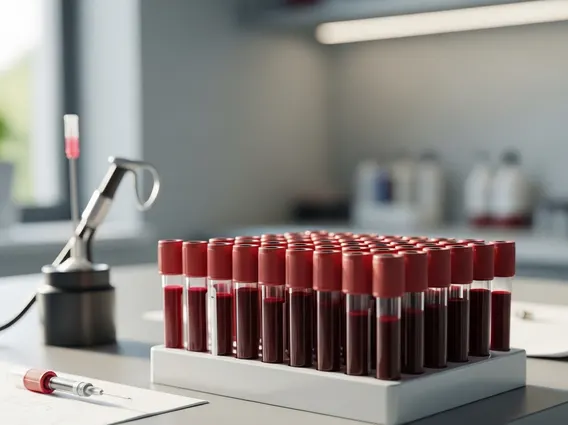
Phlebotomy refers to the practice of drawing blood from a vein, typically for laboratory analysis. This procedure is performed by trained professionals known as phlebotomists, who play a vital role in patient care and medical diagnostics. The primary purpose of phlebotomy is to obtain blood samples that can be analyzed to diagnose diseases, monitor treatment effectiveness, assess organ function, and screen for various health conditions.
Beyond diagnostics, phlebotomy also serves therapeutic purposes, such as in cases of hemochromatosis or polycythemia vera, where removing blood can help manage iron overload or reduce red blood cell count. The accuracy and safety of blood collection directly impact the reliability of laboratory results, making it a cornerstone of modern medicine. According to the Centers for Disease Control and Prevention (CDC), laboratory tests, many of which require phlebotomy, influence approximately 70% of medical decisions, highlighting its indispensable role in healthcare.
Becoming a Phlebotomist: Training and Certification
To become a phlebotomist in the US, individuals typically need to complete a specialized training program and obtain professional certification. These programs are often offered at community colleges, vocational schools, and some hospitals, usually lasting from a few weeks to several months. The curriculum covers essential topics such as anatomy and physiology, venipuncture techniques, specimen handling, safety protocols, and patient care.
Upon completing a training program, aspiring phlebotomists are highly encouraged to pursue certification, which demonstrates competency and professionalism. While not all states mandate certification, many employers prefer or require it. Several national organizations offer phlebotomy certification exams. Common certification requirements include:
- High school diploma or GED equivalent.
- Completion of an accredited phlebotomy training program.
- A specified number of successful venipunctures and skin punctures performed on live patients.
- Passing a certification examination administered by a recognized body.
Reputable certification bodies include the American Society for Clinical Pathology (ASCP), the National Healthcareer Association (NHA), and American Medical Technologists (AMT). Obtaining certification enhances job prospects and assures employers of a candidate’s qualifications.
Phlebotomist Job Description and Duties
A phlebotomist’s job description and duties are central to the diagnostic process in various healthcare settings, including hospitals, clinics, blood donation centers, and diagnostic laboratories. Their primary responsibility is the safe and accurate collection of blood samples. This involves meticulous attention to detail and adherence to strict protocols to ensure patient safety and the integrity of the specimens.
Key duties of a phlebotomist include:
| Category | Specific Duties |
|---|---|
| Patient Interaction | Verify patient identity, explain procedures, address patient concerns, and ensure comfort. |
| Specimen Collection | Perform venipuncture and capillary punctures using sterile techniques; select appropriate equipment and tubes. |
| Specimen Handling | Label specimens accurately, process them correctly (e.g., centrifugation), and prepare them for transport to the laboratory. |
| Safety & Compliance | Adhere to infection control standards, dispose of biohazardous waste properly, and maintain a clean work environment. |
| Documentation | Record collected samples, patient information, and any issues encountered during the procedure. |
Phlebotomists must possess strong communication skills to interact effectively with patients, often calming anxieties and clearly explaining procedures. They also need excellent manual dexterity, a keen eye for detail, and a thorough understanding of medical terminology and laboratory requirements to ensure that samples are collected and handled correctly for accurate diagnostic testing.