Phesgo
Phesgo is a prescription medication used in the treatment of specific types of breast cancer. It combines two targeted therapies with an enzyme to deliver treatment subcutaneously.

Key Takeaways
- Phesgo is a fixed-dose combination of pertuzumab, trastuzumab, and hyaluronidase for HER2-positive breast cancer.
- It is administered via subcutaneous injection, offering a more convenient option compared to intravenous infusions.
- The medication works by targeting the human epidermal growth factor receptor 2 (HER2) protein, inhibiting cancer cell growth.
- Common side effects include hair loss, nausea, diarrhea, and fatigue, while serious side effects can affect the heart and lungs.
- Phesgo is used in both early and metastatic HER2-positive breast cancer settings, often in combination with chemotherapy.
What is Phesgo: Uses and How It Works
Phesgo refers to a co-formulation of two monoclonal antibodies, pertuzumab and trastuzumab, combined with hyaluronidase. This innovative medication is specifically designed for the treatment of human epidermal growth factor receptor 2 (HER2)-positive breast cancer. HER2-positive breast cancer is a particularly aggressive form of the disease, characterized by an overexpression of the HER2 protein on the surface of cancer cells, which promotes their growth and division.
What is Phesgo used for? It is indicated for use in adults with HER2-positive breast cancer in various settings: as neoadjuvant (before surgery) and adjuvant (after surgery) treatment for early-stage breast cancer, and for metastatic breast cancer. This medication offers a significant advancement by providing a subcutaneous (under the skin) injection, which can be administered in minutes, contrasting with the longer intravenous infusions typically required for its individual components.
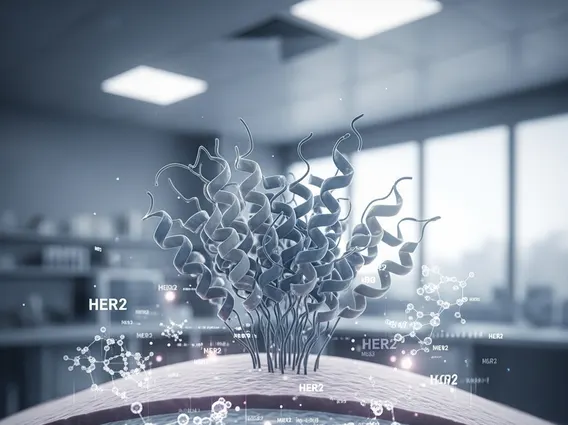
How Phesgo works for cancer involves a dual mechanism of action targeting the HER2 protein. Both pertuzumab and trastuzumab bind to different domains of the HER2 receptor, blocking its signaling pathways that drive cancer cell proliferation. Pertuzumab specifically inhibits HER2 dimerization, a process crucial for receptor activation, while trastuzumab binds to a different part of the HER2 receptor, preventing its activation and marking cancer cells for destruction by the immune system. The addition of hyaluronidase facilitates the dispersion and absorption of the medication under the skin, making the subcutaneous administration feasible and efficient.
Phesgo Medication Information: Side Effects and Benefits
Phesgo medication information highlights both its therapeutic benefits and potential side effects. The primary benefit of Phesgo is its effectiveness in treating HER2-positive breast cancer, improving patient outcomes in both early and advanced stages of the disease. Its subcutaneous formulation also offers a significant convenience benefit, reducing administration time and potentially improving patient quality of life by allowing for shorter clinic visits.
However, like all potent cancer treatments, Phesgo can cause side effects. Phesgo side effects and benefits must be carefully weighed by patients and their healthcare providers. Common side effects often include:
- Hair loss (alopecia)
- Nausea and diarrhea
- Fatigue and weakness
- Decreased white blood cell count (neutropenia)
- Peripheral neuropathy (nerve damage causing numbness or tingling)
- Reactions at the injection site (pain, redness, swelling)
More serious, though less common, side effects can occur. These include cardiac dysfunction, such as a decrease in heart function, and pulmonary toxicity, which can manifest as lung inflammation or difficulty breathing. Patients are typically monitored for these serious adverse events throughout their treatment. It is crucial for patients to report any new or worsening symptoms to their healthcare team promptly. The prescribing information for Phesgo emphasizes the importance of a thorough medical evaluation before starting treatment and ongoing monitoring to manage potential risks effectively.