
Phantom Limb Pain
Phantom Limb Pain is a complex and often debilitating condition experienced by individuals after the amputation of a limb. It involves the perception of pain originating from the missing body part, despite its physical absence.
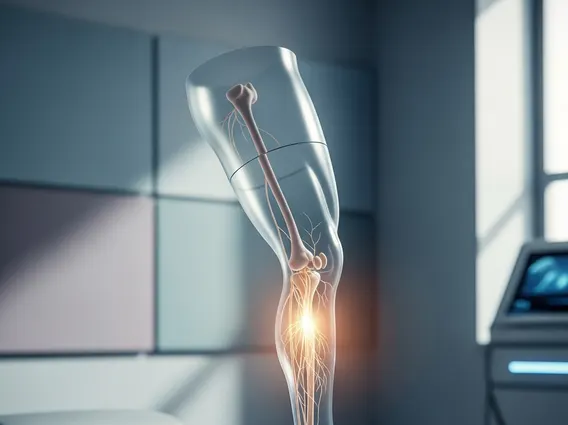
Key Takeaways
- Phantom Limb Pain is a real neurological phenomenon where individuals feel pain in a limb that has been amputated.
- It is distinct from stump pain and can manifest as various sensations, including burning, cramping, or shooting pain.
- The exact causes are not fully understood but involve complex changes in the brain and spinal cord.
- Effective management often requires a multidisciplinary approach, combining medication with non-pharmacological therapies.
- Treatment aims to reduce pain intensity and improve the quality of life for affected individuals.
What is Phantom Limb Pain?
Phantom Limb Pain refers to the sensation of pain in a part of the body that has been removed. This condition is a distinct neurological phenomenon, not merely a psychological issue, and can significantly impact an individual’s quality of life. While the limb is no longer physically present, the brain continues to receive signals that it interprets as originating from the missing extremity. Studies indicate that a significant percentage of amputees experience this condition, with estimates ranging from 50% to 80% globally. For instance, the Centers for Disease Control and Prevention (CDC) highlights that chronic pain, including phantom limb pain, is a major public health issue affecting millions of Americans.
Causes and Symptoms of Phantom Limb Pain
The exact causes of phantom limb pain are not fully understood, but current theories suggest a combination of neurological and psychological factors. One leading hypothesis involves the reorganization of the brain’s sensory cortex. When a limb is amputated, the areas of the brain that once processed sensory input from that limb may become active in response to input from other body parts, leading to misinterpretations of signals as pain from the missing limb. Additionally, nerve damage at the amputation site, forming structures called neuromas, can send abnormal signals to the brain, contributing to the painful sensations. Spinal cord changes and psychological factors such as stress or depression can also influence the perception and intensity of the pain.
The symptoms of phantom limb pain can vary widely among individuals, both in type and intensity. Patients often describe the pain as originating directly from the missing limb, not from the stump. Common descriptions include:
- Burning or throbbing sensations
- Stabbing or shooting pains
- Cramping or squeezing feelings
- Itching or tingling in the missing limb
- A feeling that the missing limb is in an uncomfortable position
These sensations can be intermittent or constant, mild or severe, and may be triggered or exacerbated by factors like emotional stress, fatigue, or changes in weather. Understanding these varied symptoms is crucial for accurate diagnosis and effective management.
Phantom Limb Pain Treatment Options
Managing phantom limb pain treatment options typically involves a multidisciplinary approach tailored to the individual’s specific symptoms and needs. The goal is to alleviate pain, improve function, and enhance overall quality of life. Treatment strategies often combine pharmacological interventions with non-pharmacological therapies.
Pharmacological options include a range of medications such as over-the-counter pain relievers for mild pain, or prescription opioids for severe, short-term pain. Certain antidepressants, like tricyclic antidepressants and serotonin-norepinephrine reuptake inhibitors (SNRIs), can help manage chronic pain by affecting neurotransmitters. Anticonvulsants, such as gabapentin and pregabalin, are often effective in treating neuropathic pain, which is a component of phantom limb pain. Additionally, nerve blocks, involving injections of local anesthetics or steroids, can temporarily block pain signals from specific nerves.
Non-pharmacological approaches also play a vital role and include:
- Mirror Therapy: This technique uses a mirror to create a visual illusion of the missing limb, which can help retrain the brain and reduce pain.
- Transcutaneous Electrical Nerve Stimulation (TENS): Applying low-voltage electrical current to the skin near the affected area can help block pain signals.
- Physical Therapy: Exercises and massage can help manage stump pain and improve overall mobility, indirectly influencing phantom limb pain.
- Psychological Support: Counseling, cognitive behavioral therapy (CBT), and relaxation techniques can help individuals cope with chronic pain and associated emotional distress.
In some persistent cases, more invasive procedures like spinal cord stimulation or targeted muscle reinnervation may be considered. It is important for individuals experiencing phantom limb pain to work closely with their healthcare team to develop a comprehensive and personalized treatment plan.



















