Pft
A Pulmonary Function Test (PFT) is a non-invasive diagnostic tool used to assess lung function. These tests measure how well air moves in and out of the lungs and how effectively oxygen is transferred into the blood, providing critical insights into respiratory health.
Key Takeaways
- Pulmonary Function Tests (PFTs) are non-invasive diagnostic procedures that evaluate lung capacity, volume, and airflow.
- They are essential for diagnosing, monitoring, and managing a wide range of respiratory conditions.
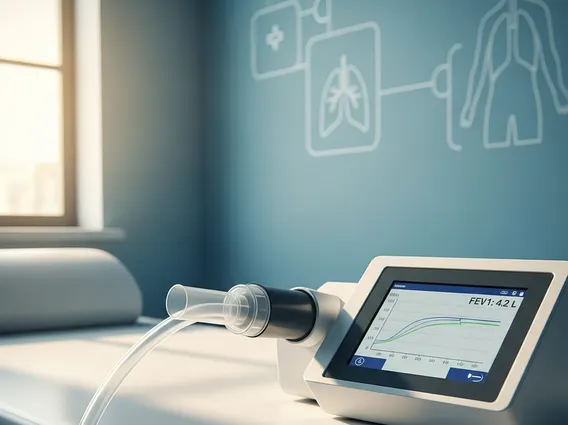
- The primary component of a PFT often involves spirometry, where patients breathe into a specialized device.
- PFTs help clinicians differentiate between obstructive and restrictive lung diseases, guiding appropriate treatment strategies.
- Results from PFTs are crucial for assessing the effectiveness of ongoing therapies and for pre-surgical evaluations.
What is a Pulmonary Function Test (PFT)?
A Pulmonary Function Test (PFT) refers to a group of non-invasive tests that measure how well the lungs are working. These tests assess lung volume, capacity, rates of gas flow, and gas exchange. By evaluating these parameters, healthcare professionals can gain a comprehensive pulmonary function test explanation of an individual’s respiratory system. PFTs are instrumental in understanding the mechanical function of the lungs and the efficiency of oxygen uptake and carbon dioxide expulsion. They can identify abnormalities in airflow, lung size, and the ability of the lungs to transfer gases into the bloodstream, which are vital indicators of respiratory health.
Purpose of Pulmonary Function Testing
The primary purpose of pulmonary function testing is to diagnose and monitor various lung conditions, assess the severity of known diseases, and evaluate the effectiveness of treatment. For instance, PFTs are commonly used to diagnose conditions such as asthma, chronic obstructive pulmonary disease (COPD), pulmonary fibrosis, and other restrictive or obstructive lung disorders. According to leading health organizations, respiratory diseases affect hundreds of millions worldwide, making accurate diagnostic tools like PFTs indispensable for early detection and management.
Beyond diagnosis, PFTs play a crucial role in:
- Monitoring Disease Progression: Tracking changes in lung function over time for chronic conditions.
- Assessing Treatment Efficacy: Evaluating whether medications or other therapies are improving lung function.
- Pre-surgical Evaluation: Determining a patient’s lung capacity and risk before certain surgical procedures, especially those involving the chest or abdomen.
- Occupational Health: Screening individuals exposed to certain environmental toxins or irritants that may affect lung health.
These tests provide objective data that helps clinicians make informed decisions regarding patient care and management strategies.
How a PFT is Performed
A PFT typically involves several different measurements, with spirometry being the most common and fundamental component. To understand how a PFT is performed, patients are usually asked to sit comfortably and breathe into a mouthpiece connected to a device called a spirometer. The technician provides clear instructions throughout the test, guiding the patient through various breathing maneuvers. These maneuvers include taking a deep breath and exhaling forcefully and rapidly, or breathing normally for a period.
Other components of a PFT may include lung volume measurements, which assess the total amount of air the lungs can hold, and gas diffusion tests, which measure how well oxygen moves from the lungs into the bloodstream. The entire process is non-invasive and generally takes about 30 to 90 minutes, depending on the specific tests ordered. Patients are typically advised to avoid smoking, heavy meals, and certain medications before the test to ensure accurate results. The data collected from these tests is then analyzed by a healthcare professional to provide a detailed assessment of lung function.