Peritoneum
The peritoneum is a vital serous membrane lining the abdominal cavity and covering the abdominal organs. This complex structure plays a crucial role in protecting and supporting the organs within the abdomen.
Key Takeaways
- The peritoneum is a double-layered membrane that lines the abdominal cavity and encases most abdominal organs.
- Its primary functions include lubrication, immune defense, and preventing adhesions between organs.
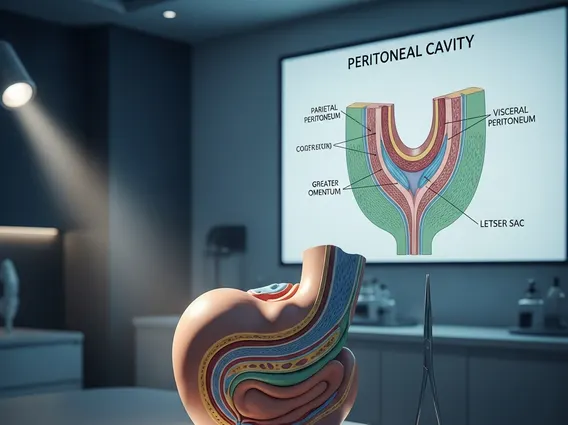
- It consists of two main layers: the parietal peritoneum (lining the abdominal wall) and the visceral peritoneum (covering the organs).
- The space between these layers, the peritoneal cavity, contains a small amount of lubricating fluid.
- Various conditions, such as peritonitis, ascites, and peritoneal cancers, can affect the peritoneum.
What is the Peritoneum? Definition and Purpose
Peritoneum refers to the largest serous membrane in the human body, forming a continuous sac that lines the abdominal and pelvic cavities and covers the surfaces of most abdominal organs. Its intricate structure facilitates the smooth movement of organs and provides a protective barrier. The peritoneum definition and purpose encompass its role in reducing friction, acting as a conduit for blood vessels and nerves, and participating in the body’s immune response. This membrane is crucial for maintaining the integrity and function of the abdominal viscera.
Peritoneum Anatomy and Essential Functions
The peritoneum anatomy and function are characterized by its two primary layers: the parietal peritoneum and the visceral peritoneum. The parietal peritoneum lines the inner surface of the abdominal and pelvic walls, while the visceral peritoneum envelops the abdominal organs, such as the stomach, intestines, and liver. Between these two layers lies the peritoneal cavity, a potential space containing a small amount of serous fluid, typically around 50-100 mL. This fluid, rich in electrolytes and proteins, serves several essential functions:
- Lubrication: It allows organs to glide smoothly against each other and the abdominal wall, minimizing friction during movement (e.g., digestion, respiration).
- Immune Defense: Containing immune cells, the peritoneal fluid helps to combat infections and inflammation within the abdominal cavity.
- Adhesion Prevention: The slippery nature of the membrane and fluid helps prevent organs from sticking together, which could impair their function.
- Fluid and Solute Exchange: The peritoneum acts as a semi-permeable membrane, facilitating the exchange of fluids and solutes, a principle utilized in peritoneal dialysis.
The peritoneum also forms folds and reflections, such as the mesentery and omenta, which suspend organs, provide pathways for neurovascular structures, and store fat.
Diseases and Conditions Affecting the Peritoneum
The peritoneum, despite its protective role, can be affected by a range of medical conditions, collectively known as diseases of the peritoneum. These conditions can significantly impact abdominal health and overall well-being.
One of the most common and serious conditions is peritonitis, which is inflammation of the peritoneum. Peritonitis can result from bacterial or fungal infections, often due to a ruptured appendix, perforated bowel, or abdominal trauma. Symptoms typically include severe abdominal pain, tenderness, fever, and nausea. Treatment usually involves antibiotics and, in many cases, surgery to address the underlying cause.
Another significant condition is ascites, characterized by the accumulation of excess fluid in the peritoneal cavity. While a small amount of peritoneal fluid is normal, excessive build-up can indicate underlying health issues such as liver cirrhosis, heart failure, kidney disease, or certain cancers. Ascites can cause abdominal distension, discomfort, and difficulty breathing. Management often involves diuretics, paracentesis (fluid removal), and treating the primary condition.
The peritoneum can also be affected by various cancers, including primary peritoneal cancer and peritoneal carcinomatosis. Primary peritoneal cancer is a rare cancer that originates in the cells lining the peritoneum, often resembling ovarian cancer in its characteristics and treatment. Peritoneal carcinomatosis refers to the spread of cancer from other organs (e.g., colon, stomach, ovary) to the peritoneum, forming multiple small tumors across its surface. These cancers often present with symptoms like abdominal pain, bloating, and changes in bowel habits. Treatment strategies can include surgery, chemotherapy, and targeted therapies. According to the American Cancer Society, peritoneal carcinomatosis is a common complication in advanced abdominal cancers, significantly impacting prognosis.