Peritoneal Washing
Peritoneal washing is a diagnostic medical procedure used to collect fluid from the peritoneal cavity, the space between the abdominal organs and the abdominal wall. This fluid is then analyzed for the presence of abnormal cells, primarily to detect cancer spread or infection.
Key Takeaways
- Peritoneal Washing is a diagnostic procedure to collect and analyze fluid from the abdominal cavity.
- Its primary goal is to detect malignant cells, especially in the context of cancer staging and recurrence monitoring.
- The procedure typically involves introducing and then aspirating saline solution during surgery or via paracentesis.
- It is crucial for accurate staging of various abdominal and pelvic cancers, such as ovarian and gastric cancers.
- Results from peritoneal washing significantly influence treatment planning and prognosis for patients.
What is Peritoneal Washing?
Peritoneal Washing refers to a medical procedure designed to collect cells from the peritoneal cavity for diagnostic analysis. The peritoneum is a thin membrane that lines the inside of the abdominal wall and covers most of the abdominal organs. This procedure involves introducing a sterile saline solution into this cavity, gently agitating it, and then collecting the fluid for microscopic examination. The primary aim is to identify the presence of malignant (cancerous) cells that may have shed from a primary tumor, or to detect signs of infection or inflammation.
The technique is particularly valuable in oncology, as it can reveal microscopic spread of cancer that might not be visible during a macroscopic surgical examination. Detecting these cells can significantly alter the staging of a cancer and, consequently, the treatment strategy. It provides crucial information that helps clinicians understand the extent of the disease and tailor appropriate therapeutic interventions.
Peritoneal Washing Procedure Explained
The procedure for Peritoneal Washing is typically performed during abdominal surgery, often as part of a staging laparotomy for various cancers. However, it can also be performed as a standalone procedure called paracentesis if surgical intervention is not planned or necessary. Here’s a general overview of the steps involved:
- Access: During surgery, the surgeon gains direct access to the peritoneal cavity. For paracentesis, a needle is inserted through the abdominal wall under local anesthesia, often guided by ultrasound.
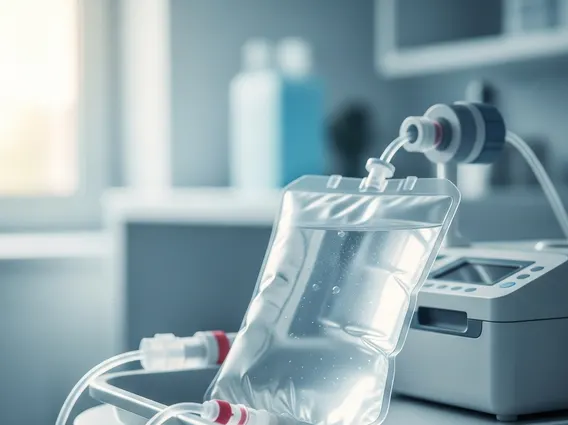
- Fluid Instillation: A sterile saline solution (usually 50-100 mL) is gently instilled into different areas of the peritoneal cavity.
- Agitation: The surgeon or clinician gently manipulates the abdominal organs or the patient’s position to ensure the saline solution washes over the peritoneal surfaces, collecting any free-floating cells.
- Fluid Collection: The fluid, now mixed with cells and other peritoneal contents, is aspirated back into sterile containers. Multiple samples may be taken from different areas of the cavity.
- Laboratory Analysis: The collected fluid is immediately sent to a pathology laboratory. Cytopathologists examine the fluid under a microscope to identify any abnormal or malignant cells. Special staining techniques may be used to enhance detection.
The entire process is carefully executed to minimize contamination and ensure the integrity of the collected sample, which is vital for accurate diagnostic results.
Purpose and Medical Uses of Peritoneal Washing
The primary purpose of peritoneal washing is to detect the presence of malignant cells within the peritoneal cavity, which is a critical step in the accurate staging of many abdominal and pelvic cancers. This diagnostic information helps oncologists determine the extent of cancer spread beyond the primary tumor site, even when no visible metastases are present. The presence of malignant cells in the peritoneal fluid, known as positive cytology, often indicates a more advanced stage of disease.
The peritoneal washing medical uses are extensive, particularly in oncology. It is routinely performed during surgery for cancers such as ovarian cancer, gastric cancer, colorectal cancer, and uterine cancer. For instance, in ovarian cancer, positive peritoneal cytology can upstage the disease to Stage IC, even if the tumor is confined to the ovary, significantly impacting subsequent treatment decisions, which may include chemotherapy. According to the National Cancer Institute, accurate staging, often informed by peritoneal washing, is fundamental for guiding appropriate therapeutic strategies and predicting patient prognosis across various abdominal malignancies.
Beyond cancer staging, peritoneal washing can also be used to monitor for cancer recurrence or to investigate unexplained ascites (fluid accumulation in the abdomen) for underlying malignancy or infection. The insights gained from this procedure are invaluable for tailoring personalized treatment plans and improving patient outcomes.