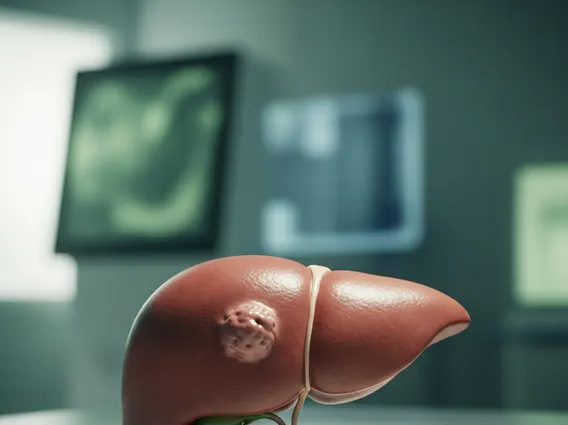
Peritoneal Carcinomatosis
Peritoneal Carcinomatosis is a complex and serious condition characterized by the spread of cancer cells to the peritoneum, the membrane lining the abdominal cavity and covering its organs. This typically represents an advanced stage of cancer originating from other parts of the body.

Key Takeaways
- Peritoneal Carcinomatosis involves the spread of cancer cells to the peritoneum, the lining of the abdominal cavity.
- It is most commonly a secondary cancer, originating from primary tumors such as ovarian, colorectal, or gastric cancers.
- Symptoms often include abdominal pain, bloating, fluid accumulation (ascites), and changes in bowel habits.
- Diagnosis typically involves imaging, biopsies, and sometimes diagnostic laparoscopy.
- Treatment options are often multidisciplinary, including specialized surgery (CRS), chemotherapy (HIPEC, systemic), targeted therapy, and palliative care.
What is Peritoneal Carcinomatosis?
Peritoneal Carcinomatosis refers to the condition where cancer cells metastasize, or spread, to the peritoneum. The peritoneum is a thin, two-layered membrane that lines the inner wall of the abdomen and pelvis, and also covers most of the organs within the abdominal cavity, such as the stomach, intestines, liver, and ovaries. When cancer cells reach this lining, they can grow and form tumors, often leading to significant complications.
Unlike primary peritoneal cancer, which originates directly in the peritoneum, peritoneal carcinomatosis is almost always a secondary cancer. This means the cancer cells detach from a primary tumor located elsewhere in the body and travel to the peritoneum, typically within the abdominal fluid. The presence of cancer in the peritoneum indicates an advanced stage of the disease, often requiring specialized and aggressive treatment approaches.
Peritoneal Carcinomatosis Symptoms and Causes
The symptoms associated with Peritoneal Carcinomatosis often develop gradually as the disease progresses and the tumors grow or spread. These symptoms can be non-specific initially, making early diagnosis challenging. Common signs and symptoms include:
- Abdominal pain or discomfort, which may be persistent or intermittent.
- Bloating and distension of the abdomen, often due to fluid accumulation (ascites).
- Nausea, vomiting, and loss of appetite, leading to unintended weight loss.
- Changes in bowel habits, such as constipation or diarrhea, or even bowel obstruction.
- Feeling full quickly after eating small amounts of food.
- Fatigue and general weakness.
The primary causes of peritoneal carcinomatosis are the spread of cancer from other organs, particularly those within or adjacent to the abdominal cavity. Cancer cells can shed from a primary tumor and disseminate within the peritoneal fluid, implanting on the peritoneal surfaces. The most common primary cancers that lead to peritoneal carcinomatosis include:
- Ovarian cancer: This is one of the most frequent sources, with a high propensity for peritoneal spread.
- Colorectal cancer: Cancer cells can spread directly from the colon or rectum into the peritoneal cavity.
- Gastric (stomach) cancer: Advanced stomach cancers often metastasize to the peritoneum.
- Pancreatic cancer: While less common, pancreatic cancer can also lead to peritoneal involvement.
- Appendiceal cancer: Tumors originating in the appendix can spread mucin-producing cells throughout the peritoneum, leading to pseudomyxoma peritonei.
Peritoneal carcinomatosis is a significant challenge in oncology, occurring in approximately 10-20% of colorectal cancer patients at diagnosis and affecting up to 60% of ovarian cancer patients during their disease course. (Source: National Cancer Institute)
Peritoneal Carcinomatosis Treatment Options
Addressing peritoneal carcinomatosis treatment options typically involves a complex, multidisciplinary approach tailored to the individual patient, considering the primary cancer type, extent of spread, and overall health. The goal is often to remove as much visible cancer as possible and eliminate microscopic disease, or to manage symptoms and improve quality of life.
Key treatment modalities include:
- Cytoreductive Surgery (CRS) with Hyperthermic Intraperitoneal Chemotherapy (HIPEC): This specialized two-part procedure is a cornerstone for select patients. CRS involves surgically removing all visible tumors from the abdominal cavity. Immediately after, HIPEC is performed, where a heated chemotherapy solution is circulated directly within the abdomen for a short period. The heat enhances the chemotherapy’s ability to kill remaining microscopic cancer cells.
- Systemic Chemotherapy: Traditional chemotherapy drugs are administered intravenously or orally to target cancer cells throughout the body. This may be used before CRS/HIPEC (neoadjuvant), after (adjuvant), or as a primary treatment for widespread disease or when surgery is not feasible.
- Targeted Therapy: These drugs specifically target molecular pathways involved in cancer growth and spread, often used when specific genetic mutations are identified in the cancer cells.
- Immunotherapy: This treatment harnesses the body’s own immune system to recognize and destroy cancer cells. Its role in peritoneal carcinomatosis is evolving and may be used in specific cases.
- Palliative Care: For patients with advanced or widespread disease where curative treatment is not possible, palliative care focuses on managing symptoms, alleviating pain, and improving overall quality of life. This can be integrated with active cancer treatments.
The choice of treatment depends heavily on the origin of the primary cancer, the extent of peritoneal involvement, and the patient’s general health status. A team of specialists, including surgical oncologists, medical oncologists, and radiologists, typically collaborate to develop the most effective treatment plan.