Peripheral T Cell Lymphoma
Peripheral T Cell Lymphoma (PTCL) refers to a diverse group of aggressive non-Hodgkin lymphomas that originate from mature T-cells. These lymphomas are relatively rare, accounting for a small percentage of all non-Hodgkin lymphomas, but often present with challenging clinical courses due to their aggressive nature and heterogeneity.

Key Takeaways
- Peripheral T Cell Lymphoma (PTCL) is a rare and aggressive type of non-Hodgkin lymphoma originating from mature T-cells.
- Common indicators, or Symptoms of peripheral T cell lymphoma, often include swollen lymph nodes, fever, night sweats, and unexplained weight loss.
- Diagnosing peripheral T cell lymphoma involves a comprehensive approach, including biopsies, imaging, and specialized laboratory tests to identify the specific subtype.
- Peripheral T cell lymphoma treatment typically involves intensive chemotherapy, sometimes followed by autologous stem cell transplantation.
- Due to its varied nature, PTCL management requires a personalized approach and ongoing research into novel therapeutic strategies.
What is Peripheral T Cell Lymphoma?
Peripheral T Cell Lymphoma (PTCL) is a collective term for a group of uncommon and often aggressive non-Hodgkin lymphomas that develop from mature T-cells or natural killer (NK) cells. Unlike more common B-cell lymphomas, PTCLs are less frequent, representing approximately 10-15% of all non-Hodgkin lymphomas in Western countries, though incidence varies geographically. The term encompasses a wide range of subtypes, each with distinct clinical features, prognoses, and responses to treatment, making a precise diagnosis crucial for effective management. Understanding what is Peripheral T Cell Lymphoma involves recognizing its cellular origin and its classification into various aggressive forms. The complexity of these lymphomas means that a detailed understanding of each subtype is essential for both clinicians and patients.
The specific cause of PTCL is often unknown, but it is believed to involve a combination of genetic mutations, environmental factors, and sometimes viral infections. For instance, some subtypes, like Adult T-cell Leukemia/Lymphoma, are strongly associated with the Human T-lymphotropic virus type 1 (HTLV-1). The diverse nature of these lymphomas means that the presentation and progression can vary significantly among individuals. This heterogeneity is a major factor in why Peripheral T cell lymphoma explained often highlights the need for advanced diagnostic techniques to differentiate between subtypes and guide therapeutic decisions.
Symptoms and Diagnosis of Peripheral T Cell Lymphoma
The Symptoms of peripheral T cell lymphoma can be varied and often non-specific, making early detection challenging. Many patients experience systemic symptoms, commonly referred to as “B symptoms,” which include fever, drenching night sweats, and unexplained weight loss. Other common signs relate to the enlargement of lymph nodes, which may be palpable in the neck, armpits, or groin. Depending on the specific subtype and location of the lymphoma, patients might also present with:
- Generalized lymphadenopathy (swollen lymph nodes)
- Skin lesions or rashes
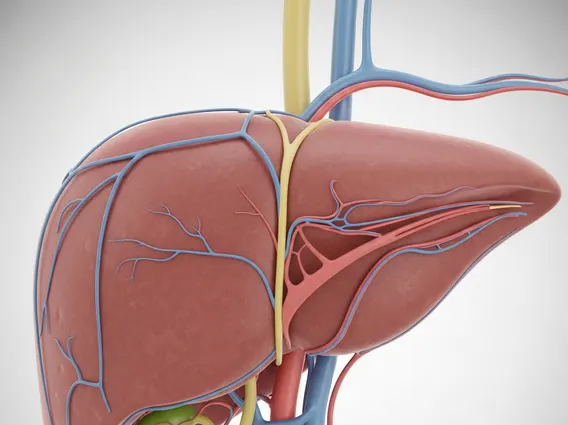
- Hepatomegaly (enlarged liver) or splenomegaly (enlarged spleen)
- Gastrointestinal symptoms if the lymphoma affects the digestive tract
- Bone marrow involvement, leading to anemia, thrombocytopenia, or leukopenia
Diagnosing peripheral T cell lymphoma requires a comprehensive approach. The initial step typically involves a thorough physical examination and a review of the patient’s medical history. If lymphoma is suspected, a biopsy of the affected tissue, most commonly a lymph node, is essential. This biopsy is then analyzed by pathologists using specialized techniques such as immunohistochemistry, flow cytometry, and molecular genetic testing to confirm the diagnosis and identify the specific PTCL subtype. Further diagnostic procedures may include bone marrow biopsy, computed tomography (CT) scans, positron emission tomography (PET) scans, and magnetic resonance imaging (MRI) to determine the extent of the disease (staging). These tests help clinicians understand the spread of the lymphoma and guide treatment planning.
Treatment Options for Peripheral T Cell Lymphoma
Peripheral T cell lymphoma treatment strategies are complex and often depend on the specific subtype, the stage of the disease, and the patient’s overall health. Given the aggressive nature of most PTCLs, treatment typically involves intensive systemic therapy. For many subtypes, the standard first-line treatment is a multi-agent chemotherapy regimen, such as CHOP (cyclophosphamide, doxorubicin, vincristine, and prednisone) or CHOEP (CHOP plus etoposide). However, outcomes with conventional chemotherapy alone are often suboptimal, leading to a high rate of relapse.
For eligible patients, especially those with aggressive subtypes, high-dose chemotherapy followed by autologous stem cell transplantation (ASCT) is often considered as consolidation therapy after initial remission. This approach aims to improve long-term survival rates by eradicating any remaining lymphoma cells. In cases of relapsed or refractory PTCL, treatment options become more diverse and may include novel agents such as histone deacetylase (HDAC) inhibitors (e.g., romidepsin, belinostat), pralatrexate (a folate analog), and other targeted therapies. Clinical trials exploring new drug combinations, immunotherapies, and cellular therapies are also vital avenues for patients with PTCL, offering access to cutting-edge treatments. The choice of therapy is highly individualized, requiring careful consideration by a multidisciplinary team of specialists.