Peripheral Blood Stem Cell Transplant
A Peripheral Blood Stem Cell Transplant (PBSCT) is a vital medical procedure used to restore healthy blood-forming stem cells in patients whose bone marrow has been damaged or destroyed by disease or intensive cancer treatments. This advanced therapy offers a chance for recovery and improved outcomes for individuals facing serious conditions.
Key Takeaways
- Peripheral Blood Stem Cell Transplant involves collecting stem cells from the bloodstream and reinfusing them into a patient.
- It is primarily used to treat certain cancers and blood disorders after high-dose chemotherapy or radiation.
- The peripheral blood stem cell transplant procedure includes mobilization, apheresis, conditioning, and infusion of stem cells.
- The benefits of peripheral blood stem cell transplant include potential for cure and less invasive collection compared to bone marrow harvest.
- Peripheral blood stem cell transplant recovery is a critical phase requiring careful monitoring for complications and long-term follow-up.
What is Peripheral Blood Stem Cell Transplant?
A Peripheral Blood Stem Cell Transplant (PBSCT) is a medical procedure that involves replacing damaged or diseased blood-forming stem cells with healthy ones. These hematopoietic stem cells, which have the ability to develop into all types of blood cells, are collected directly from the circulating blood rather than from the bone marrow itself. This type of transplant is a crucial treatment option for various conditions, including certain cancers like leukemia, lymphoma, and multiple myeloma, as well as some non-malignant blood disorders.
The primary goal of a PBSCT is to enable patients to receive high-dose chemotherapy or radiation therapy, which would otherwise be too toxic to their bone marrow. By providing a “rescue” of healthy stem cells, the body can regenerate its blood cell production, allowing for the eradication of diseased cells while minimizing the long-term impact on the patient’s ability to produce essential blood components.
The Peripheral Blood Stem Cell Transplant Procedure
The peripheral blood stem cell transplant procedure is a multi-step process that typically spans several weeks or months, involving careful preparation and execution. It begins with mobilizing stem cells from the bone marrow into the bloodstream, followed by their collection, and finally, their reinfusion after the patient undergoes conditioning therapy.
Key stages of the procedure include:
- Mobilization: The donor (or patient, in autologous transplants) receives growth factor medications, such as granulocyte colony-stimulating factor (G-CSF), for several days. These medications stimulate the bone marrow to produce more stem cells and release them into the peripheral blood.
- Apheresis: Once sufficient stem cells are circulating, they are collected through a process called apheresis. Blood is drawn from one arm, passed through a machine that separates the stem cells, and the remaining blood components are returned to the other arm. This process is similar to donating blood platelets and usually takes several hours over one or more days.
- Conditioning: The recipient undergoes high-dose chemotherapy, sometimes combined with radiation therapy, to destroy diseased cells and suppress the immune system, creating space for the new stem cells. This phase is critical but also carries significant side effects.
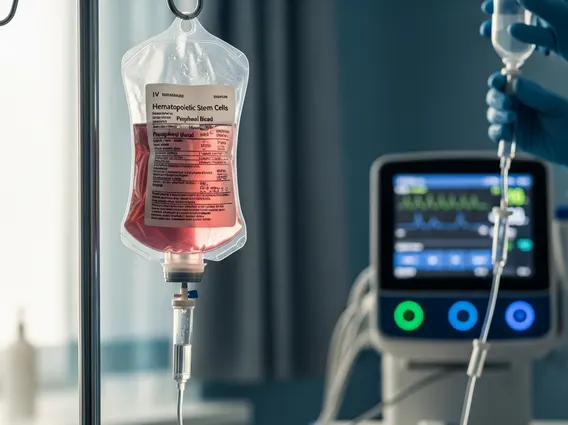
- Infusion: The collected stem cells are then infused intravenously into the patient, much like a blood transfusion. These cells travel to the bone marrow, where they begin to engraft and produce new, healthy blood cells.
Benefits and Recovery After Peripheral Blood Stem Cell Transplant
The benefits of peripheral blood stem cell transplant are significant, offering a potentially curative treatment for various life-threatening diseases. One major advantage is the relatively less invasive collection process for stem cells compared to traditional bone marrow harvest, which typically requires general anesthesia. PBSCT also often leads to faster engraftment, meaning the new stem cells begin producing blood cells more quickly, which can reduce the risk of infection and bleeding complications in the immediate post-transplant period.
Peripheral blood stem cell transplant recovery is a gradual and intensive process that requires close medical supervision. After the stem cell infusion, patients enter a critical phase where they are highly susceptible to infections due to a severely suppressed immune system. Engraftment, the process where new stem cells settle in the bone marrow and start producing blood cells, typically occurs within 2-4 weeks. During this time, patients receive supportive care, including antibiotics, antifungals, and blood transfusions, as needed. Long-term recovery involves regular follow-up appointments, monitoring for potential complications such as graft-versus-host disease (in allogeneic transplants), and managing side effects from conditioning therapy. Full immune system recovery can take months to years, necessitating continued vigilance and adherence to medical advice.