
Pericardium
The pericardium is a vital sac that surrounds the heart, playing a crucial role in its protection and function. Understanding its structure and purpose is key to recognizing potential health issues affecting this important organ.
Key Takeaways
- The pericardium is a double-layered sac enclosing the heart, providing protection and lubrication.
- It consists of a fibrous outer layer and a serous inner layer, which produces fluid to reduce friction.
- Common conditions affecting the pericardium include pericarditis (inflammation), pericardial effusion (fluid buildup), and cardiac tamponade (severe compression).
- Symptoms like chest pain, shortness of breath, and fatigue can indicate pericardial problems.
- Early diagnosis and treatment are essential for managing pericardial diseases and preventing complications.
What is the Pericardium: Anatomy and Function
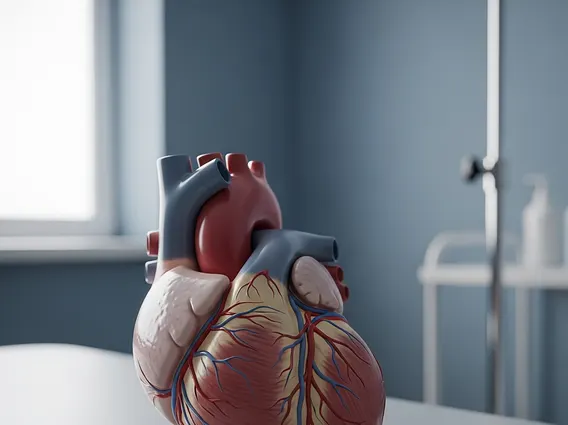
The Pericardium is a double-layered sac that envelops the heart and the roots of the great vessels. This crucial structure serves multiple protective and functional roles for the heart. It is composed of two main layers: the fibrous pericardium and the serous pericardium.
The outer layer, known as the fibrous pericardium, is a tough, inelastic connective tissue sac that anchors the heart within the mediastinum and prevents its overfilling. Inside this fibrous layer lies the serous pericardium, which itself has two layers: the parietal layer (lining the fibrous pericardium) and the visceral layer (also called the epicardium, adhering directly to the heart’s surface). Between these two serous layers is a small space called the pericardial cavity, containing a thin film of pericardial fluid. This fluid acts as a lubricant, allowing the heart to beat and move without friction against surrounding structures. The overall pericardium function and anatomy are essential for maintaining cardiac efficiency and protecting the heart from infection and trauma.
Common Diseases of the Pericardium
A range of conditions can affect the pericardium, impacting its ability to protect the heart effectively. The most common of these is pericarditis, which is inflammation of the pericardium. Acute pericarditis, for instance, is estimated to affect approximately 27.7 cases per 100,000 person-years in the general population, making it the most frequent pericardial disease (Imazio M, et al. Curr Cardiol Rep. 2013). Other significant diseases of the pericardium include:
- Pericardial Effusion: This refers to an abnormal accumulation of fluid in the pericardial cavity. While a small amount of fluid is normal, excessive buildup can put pressure on the heart.
- Cardiac Tamponade: A life-threatening condition where a large or rapidly accumulating pericardial effusion severely compresses the heart, preventing it from filling properly.
- Constrictive Pericarditis: A chronic condition where the pericardium becomes thickened, fibrotic, and rigid, restricting the heart’s ability to expand and fill with blood.
- Pericardial Cysts and Tumors: Less common, these can be benign or malignant growths within or on the pericardium.
These conditions can arise from various causes, including viral or bacterial infections, autoimmune diseases, trauma, kidney failure, or as a complication of heart surgery or heart attack.
Pericardium Pain and Other Symptoms
When the pericardium is inflamed or otherwise compromised, it can lead to distinct symptoms, with chest pain being the most prominent. Pericardium pain symptoms are often characterized by a sharp, stabbing chest pain that may worsen with deep breathing, coughing, or lying flat, and often improves when leaning forward. This pain is typically located in the center or left side of the chest and can sometimes radiate to the neck, shoulder, or back.
Beyond pain, other symptoms can indicate pericardial issues. These may include shortness of breath, especially when lying down, due to the heart’s restricted movement or pressure on the lungs. Fatigue, weakness, and a general feeling of being unwell are also common, particularly in chronic conditions or infections. Fever, chills, and night sweats can accompany infectious pericarditis. In cases of significant pericardial effusion or cardiac tamponade, symptoms can rapidly progress to lightheadedness, dizziness, fainting, and swelling in the legs or abdomen, requiring immediate medical attention.



















