
Periampullary Cancer
Periampullary cancer is a complex and often challenging diagnosis, encompassing a group of malignancies that arise in the region around the ampulla of Vater. This critical anatomical area is where the bile duct and pancreatic duct join before emptying into the small intestine.
Key Takeaways
- Periampullary cancer originates near the ampulla of Vater, involving the pancreas, bile duct, duodenum, or ampulla itself.
- Symptoms often include jaundice, abdominal pain, weight loss, and changes in stool color.
- Causes are not fully understood but involve genetic mutations and potential risk factors like smoking and chronic pancreatitis.
- Diagnosis typically involves imaging tests, endoscopy, and biopsy to confirm the cancer type and stage.
- Early detection is crucial for improving treatment outcomes, though often challenging due to non-specific initial symptoms.
What is Periampullary Cancer?
Periampullary cancer refers to a group of cancers that originate in the periampullary region, an area surrounding the ampulla of Vater. The ampulla of Vater is a small opening located in the first part of the small intestine (duodenum) where the common bile duct and pancreatic duct merge and release digestive fluids. Due to its strategic location, tumors in this area can arise from several different organs, including the head of the pancreas, the distal common bile duct, the duodenum, or the ampulla itself. These cancers share similar clinical presentations and surgical approaches, making their classification under the umbrella term “periampullary cancer” clinically useful. While distinct in their cellular origins, their proximity often leads to similar diagnostic and treatment pathways.
Symptoms and Causes of Periampullary Cancer
Recognizing the signs of periampullary cancer is crucial for early detection, although symptoms can often be vague in the initial stages. The most common periampullary cancer symptoms arise from the obstruction of bile flow or the digestive tract.
Common symptoms include:
- Jaundice: Yellowing of the skin and eyes, often the first noticeable symptom, caused by bile duct obstruction.
- Abdominal pain: Discomfort or pain in the upper abdomen or back, which may be dull or sharp.
- Unexplained weight loss: Significant and unintentional reduction in body weight.
- Dark urine: Caused by the accumulation of bilirubin, a bile pigment, in the blood.
- Pale or clay-colored stools: Resulting from the lack of bile reaching the intestines.
- Nausea and vomiting: Especially if the tumor obstructs the duodenum.
- Itching: Due to the buildup of bile salts in the skin.
The exact periampullary cancer causes are not fully understood, but they are believed to involve a combination of genetic mutations and environmental factors. While most cases occur sporadically without a clear hereditary link, certain risk factors have been identified. These include chronic pancreatitis, smoking, excessive alcohol consumption, and certain genetic syndromes. The development of these cancers is thought to involve a series of genetic changes that lead to uncontrolled cell growth in the periampullary region.
Diagnosing Periampullary Cancer
Accurate periampullary cancer diagnosis is essential for determining the most effective treatment plan. The diagnostic process typically involves a combination of imaging studies, endoscopic procedures, and tissue biopsies.
Initial diagnostic steps often include:
- Blood tests: To check liver function, bilirubin levels, and tumor markers such as CA 19-9, which can be elevated in some periampullary cancers.
- Imaging tests:
- Computed Tomography (CT) scan: Provides detailed cross-sectional images of the abdomen, helping to locate the tumor and assess its spread.
- Magnetic Resonance Imaging (MRI) and Magnetic Resonance Cholangiopancreatography (MRCP): Offer detailed views of the bile ducts and pancreatic ducts, useful for identifying obstructions.
- Endoscopic Ultrasound (EUS): An endoscope with an ultrasound probe is passed into the digestive tract, allowing for high-resolution images of the periampullary region and facilitating guided biopsies.
- Endoscopic Retrograde Cholangiopancreatography (ERCP): A procedure where an endoscope is guided into the duodenum, and a small catheter is inserted into the bile and pancreatic ducts. Contrast dye is injected, and X-rays are taken to visualize the ducts. ERCP can also be used to place stents to relieve bile duct obstruction.
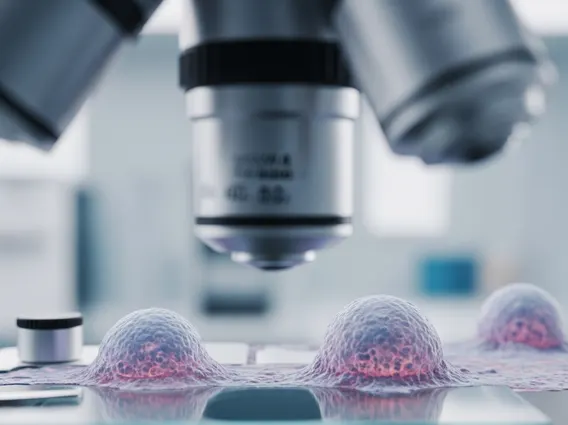
- Biopsy: A tissue sample is collected during EUS or ERCP and examined under a microscope by a pathologist to confirm the presence of cancer cells and determine the specific type of cancer. This is crucial for definitive diagnosis.
The combination of these tests helps physicians precisely identify the tumor’s location, size, and whether it has spread, which is vital for staging the cancer and guiding treatment decisions.



















