Percutaneous Transhepatic Cholangiography
Percutaneous Transhepatic Cholangiography is a specialized medical imaging procedure used to visualize the bile ducts. This diagnostic technique plays a crucial role in identifying and evaluating obstructions or other abnormalities within the biliary system.
Key Takeaways
- Percutaneous Transhepatic Cholangiography (PTC) is an imaging technique that visualizes bile ducts using contrast dye and X-rays.
- It is primarily used to diagnose and sometimes treat blockages or narrowing in the bile ducts, often when other methods are inconclusive.
- The procedure involves inserting a thin needle through the skin and liver into a bile duct to inject contrast material.
- Potential risks include bleeding, infection, bile leakage, and allergic reactions to the contrast dye.
- PTC provides detailed anatomical information essential for planning further medical or surgical interventions.
What is Percutaneous Transhepatic Cholangiography (PTC)?
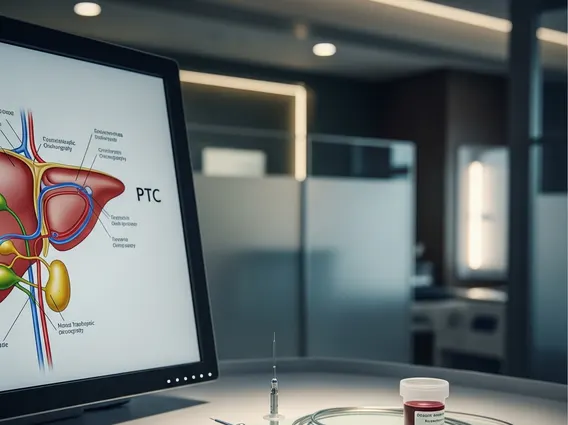
Percutaneous Transhepatic Cholangiography (PTC) is a minimally invasive diagnostic and interventional radiological procedure. It involves injecting a contrast agent directly into the bile ducts within the liver, allowing them to be visualized under X-ray fluoroscopy. This technique is typically employed when non-invasive imaging methods, such as ultrasound or CT scans, have not provided sufficient information about the cause of biliary obstruction or other bile duct issues. The primary goal is to identify blockages, stones, strictures, or tumors affecting the flow of bile from the liver to the small intestine.
PTC is often performed to diagnose conditions like gallstones in the bile ducts, tumors of the bile ducts or pancreas, or inflammation that narrows the ducts. Beyond diagnosis, it can also be used therapeutically to relieve biliary obstruction by placing a drainage catheter or stent, thereby restoring bile flow and alleviating symptoms like jaundice. According to data from the American College of Radiology, imaging procedures like PTC are vital tools in the comprehensive management of hepatobiliary diseases, guiding treatment decisions and improving patient outcomes.
Percutaneous Transhepatic Cholangiography Procedure
The Percutaneous Transhepatic Cholangiography procedure involves several key steps, performed by an interventional radiologist. Patients are usually given a local anesthetic and often conscious sedation to ensure comfort throughout the process. The skin over the right side of the abdomen is thoroughly cleaned and sterilized.
Here’s a general overview of the steps involved in this PTC medical procedure explanation:
- Preparation: The patient lies on their back. Vital signs are monitored, and sedation is administered.
- Needle Insertion: Using ultrasound or fluoroscopy guidance, a thin needle is carefully inserted through the skin, past the liver capsule, and into one of the intrahepatic bile ducts.
- Contrast Injection: A small amount of contrast dye is injected through the needle into the bile duct system.
- Imaging: X-ray images are taken as the contrast agent fills the bile ducts, revealing their anatomy and any obstructions.
- Intervention (if needed): If a blockage is identified, the radiologist may advance a guidewire and catheter to drain bile (biliary drainage) or place a stent to keep the duct open.
- Removal or Drainage: The needle is typically removed, or a temporary drainage catheter may be left in place if therapeutic intervention was performed.
The entire process can take anywhere from 30 minutes to several hours, depending on the complexity of the case and whether therapeutic interventions are required.
Risks of Percutaneous Transhepatic Cholangiography
While generally safe, there are potential Percutaneous Transhepatic Cholangiography risks that patients should be aware of. These complications, though infrequent, can range from minor to severe. It is crucial for patients to discuss these possibilities with their healthcare provider before undergoing the procedure.
Common risks include:
- Bleeding: This is the most common complication, ranging from minor bruising at the puncture site to more significant internal bleeding (hemorrhage) from the liver or bile ducts.
- Infection: Introduction of bacteria into the bile ducts can lead to cholangitis (bile duct infection) or sepsis, which can be life-threatening. Antibiotics are often given before and after the procedure to minimize this risk.
- Bile Leakage: Bile can leak from the punctured bile duct into the abdominal cavity, causing pain and potentially peritonitis (inflammation of the abdominal lining).
- Allergic Reaction: Patients may experience an allergic reaction to the contrast dye, ranging from mild skin rashes to severe anaphylaxis.
- Pneumothorax: In rare cases, the needle might inadvertently puncture the lung, leading to a collapsed lung.
- Pain: Discomfort or pain at the puncture site is common, though usually manageable with medication.
The incidence of major complications is relatively low, estimated to be around 2-5% according to various medical studies, but careful patient selection and experienced operators help mitigate these risks.