Peptide Receptor Radionuclide Therapy
Peptide Receptor Radionuclide Therapy (PRRT) is an advanced form of targeted radiation therapy used primarily for certain types of neuroendocrine tumors. This innovative treatment leverages specific biological pathways to deliver therapeutic radiation directly to cancer cells, minimizing impact on healthy tissues.

Key Takeaways
- PRRT is a specialized, targeted radiation therapy for neuroendocrine tumors.
- It involves a radioactive substance attached to a peptide that binds to cancer cells.
- The therapy delivers localized radiation, damaging cancer cells while sparing healthy tissue.
- Benefits include improved progression-free survival and symptom management for eligible patients.
- Common side effects are generally manageable, with careful monitoring for more serious, rare complications.
What is Peptide Receptor Radionuclide Therapy (PRRT)?
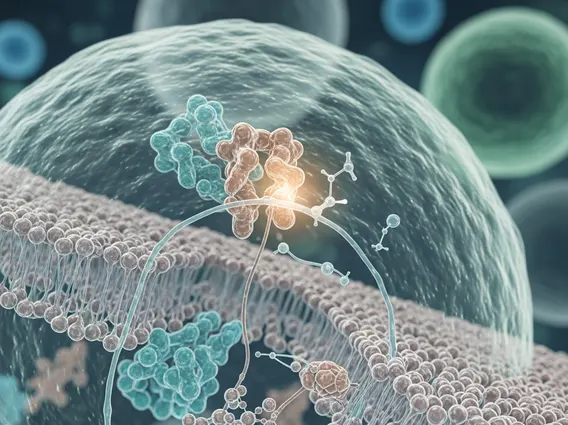
Peptide Receptor Radionuclide Therapy (PRRT) is a systemic radiation treatment that targets neuroendocrine tumor (NET) cells expressing somatostatin receptors. It involves administering a radioactive substance, typically Lutetium-177 (177Lu), linked to a somatostatin analog peptide. This peptide acts as a “homing device,” specifically binding to somatostatin receptors that are often overexpressed on the surface of NET cells. Once bound, the radionuclide delivers a localized dose of radiation directly to the tumor cells, causing DNA damage and inhibiting their growth and division.
This targeted approach allows for the delivery of therapeutic radiation with greater precision compared to conventional external beam radiation, which can affect a broader area. PRRT is particularly effective for well-differentiated gastroenteropancreatic neuroendocrine tumors (GEP-NETs) that are inoperable, metastatic, or progressive. Its development represents a significant advancement in the management of these complex cancers, offering a new treatment option for patients who may have limited alternatives.
Mechanism of Action and Therapeutic Benefits of PRRT
The mechanism of action for how does PRRT treatment work is rooted in its highly specific targeting. Upon intravenous administration, the radiolabeled somatostatin analog circulates in the bloodstream and selectively attaches to somatostatin receptors on the surface of neuroendocrine tumor cells. Once internalized by the cell, the attached radionuclide, such as Lutetium-177, emits beta particles. These beta particles have a short range, typically only a few millimeters, ensuring that the radiation dose is concentrated within or very close to the tumor cells. This localized radiation damages the DNA of the cancer cells, leading to cell death and tumor shrinkage, while minimizing radiation exposure to surrounding healthy tissues.
The peptide receptor radionuclide therapy benefits are substantial for eligible patients. Clinical trials have demonstrated significant improvements in progression-free survival and overall survival for patients with advanced GEP-NETs. For instance, studies have shown that PRRT can extend median progression-free survival significantly compared to standard therapies, offering patients more time without disease progression (e.g., as reported by the European Society for Medical Oncology). Beyond extending survival, PRRT also plays a crucial role in symptom control, alleviating symptoms such as diarrhea, flushing, and abdominal pain often associated with hormone-producing NETs, thereby improving the patient’s quality of life. Key benefits include:
- Targeted delivery of radiation directly to tumor cells.
- Improved progression-free and overall survival rates.
- Effective management and reduction of tumor-related symptoms.
- Potential for tumor shrinkage and stabilization of disease progression.
- Reduced systemic toxicity compared to conventional chemotherapy.
Potential Side Effects of PRRT
While PRRT is generally well-tolerated, patients may experience various PRRT therapy side effects. These side effects are typically manageable and often transient. Common acute side effects, occurring shortly after treatment, include nausea, vomiting, abdominal pain, and fatigue. These are usually mild and can be managed with supportive medications. To protect the kidneys from radiation, patients typically receive an amino acid infusion during PRRT, which helps reduce renal uptake of the radiopharmaceutical.
More serious, though less common, side effects primarily involve the bone marrow and kidneys. Hematological toxicity, such as transient reductions in blood cell counts (anemia, leukopenia, thrombocytopenia), can occur due to radiation exposure to the bone marrow. These effects are usually temporary but require careful monitoring through regular blood tests. Rarely, long-term kidney dysfunction or myelodysplastic syndrome/leukemia may develop, particularly in patients who have received prior extensive chemotherapy or radiation. Close monitoring of kidney function and blood counts throughout and after treatment is essential to detect and manage any potential complications promptly.